


Discover effective hair loss treatment for women. Learn about medical solutions, regenerative therapies, and professional consultations for hair restoration.
Hair loss treatment for women encompasses various dermatological therapeutics designed to address follicular miniaturization and restore scalp density. These interventions focus on stabilizing the hair growth cycle and promoting follicular health through evidence-based medical protocols. Understanding the underlying mechanisms of hair thinning is essential for selecting the most appropriate management strategy.
Understanding the Causes of Female Hair Loss
Hair thinning in women stems from a complex interaction between genetic predisposition, hormonal shifts, and systemic health status. According to the National Institutes of Health, androgenetic alopecia represents the most common form of hair loss, characterized by the progressive miniaturization of terminal hair follicles following puberty1. Harvard Health Publishing notes that this condition affects a significant portion of the population, with up to two-thirds of postmenopausal women experiencing noticeable thinning or localized bald spots3.
Follicular miniaturization occurs when hair follicles summarizes an increased sensitivity to androgens, leading to a shortened anagen or growth phase. This structural change results in thinner, more fragile hair strands that eventually fail to reach their full length or thickness. Experts at estethica Global emphasize that identifying these specific hormonal triggers is a vital step in developing an effective hair loss treatment for women.
Nutritional and Systemic Factors
Nutritional deficiencies often serve as primary catalysts for accelerated shedding, particularly regarding iron stores. Iron acts as a critical cofactor for ribonucleotide reductase, an enzyme required for DNA synthesis in the rapidly dividing cells of the hair follicle matrix2. When systemic iron levels are low, the body prioritizes essential organ function over hair growth, leading to increased hair fall and reduced density.
Environmental stressors and metabolic imbalances further complicate the diagnostic process for many patients. Chronic stress, thyroid dysfunction, and vitamin deficiencies can exacerbate existing genetic patterns of hair loss. By conducting a thorough clinical evaluation, the medical team at estethica Global ensures that patients receive a personalized approach that addresses both the visible symptoms and the underlying biological causes of thinning hair.
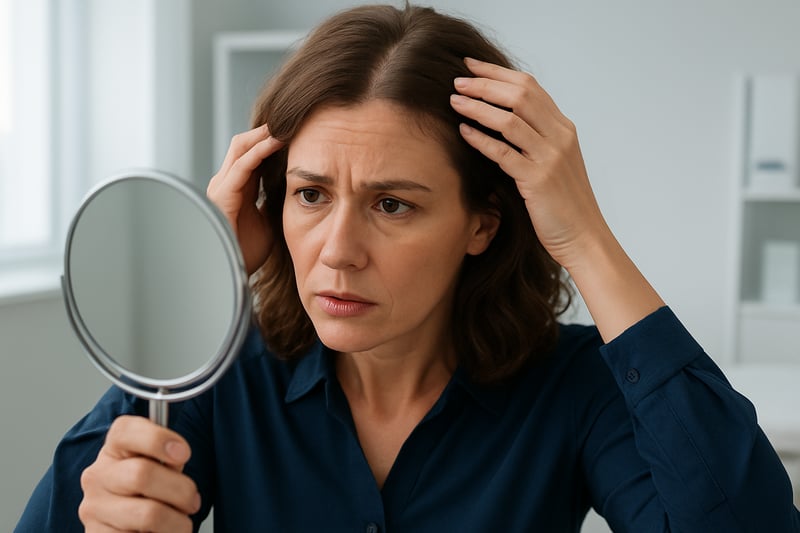
Top-Rated Medical Hair Loss Treatments for Women
Androgenetic alopecia affects approximately one-third of women during their lifetime, often manifesting as progressive thinning that requires targeted medical intervention3. Because this condition is frequently driven by a genetically determined shortening of the hair growth phase and heightened androgen sensitivity, dermatologists focus on stabilizing follicular health to prevent further regression1. estethica Global provides specialized diagnostic consultations to determine the specific hormonal or physiological drivers behind individual cases of hair loss.
Nutritional status is a critical foundation for hair density, as systemic deficiencies can disrupt the matrix cells responsible for hair production2. Correcting underlying issues, such as iron deficiency, often complements pharmacological treatments like minoxidil or specialized anti-androgen therapies. estethica Global integrates these systemic assessments with advanced regenerative options, such as exosome therapy and stem cell therapy for hair loss, to create a personalized recovery roadmap for every patient.
Regenerative medicine has expanded the possibilities for patients who seek alternatives or additions to traditional topical applications. Advanced procedures focus on stimulating dormant follicles through localized growth factor delivery, which can enhance the efficacy of a thorough treatment plan. Patients consulting with estethica Global can access a variety of clinical solutions tailored to their unique hair structure and stage of thinning.
Medical Hair Loss Treatment Packages
The Role of Estethica Global in Hair Restoration
estethica Global provides specialized consultations for individuals seeking professional hair thinning solutions by integrating contemporary diagnostic tools with a patient-centered approach. Specialists at the clinic evaluate specific causes of hair loss to tailor individual care protocols, ensuring that interventions match international standards of dermatological care. This focus on evidence-based practices is essential, as androgenetic alopecia affects approximately 50% of males and females, necessitating a genetically informed approach to treatment1.
A thorough evaluation at estethica Global involves a detailed assessment of scalp health and follicle density to differentiate between conditions like telogen effluvium and hormonal thinning. Because one-third of women experience hair loss during their lifetime, often linked to a genetically determined shortening of the hair growth phase, identifying the root cause is vital for successful management3. Specialists analyze these patterns to determine if nutritional deficiencies, such as low iron levels—which impact DNA synthesis in hair follicle cells—contribute to the patient's specific presentation2.
Commitment to Scientific Excellence
The clinical team at estethica Global emphasizes consistent monitoring from the initial assessment through the recovery phase to ensure optimal outcomes. By using advanced technological devices, the facility performs interventions with high precision, helping patients navigate their restoration journey with clear expectations and professional guidance. This commitment to scientific research and ethical practice allows the clinic to address complex dermatological concerns while maintaining the highest safety standards for every patient.
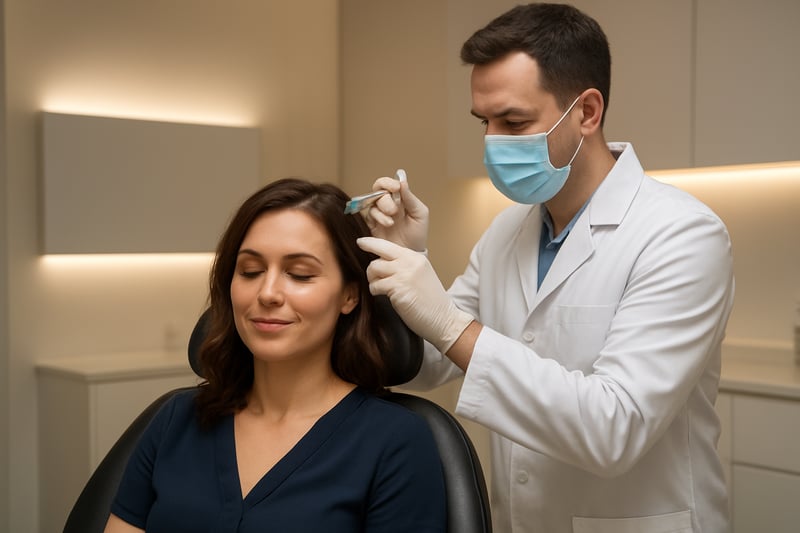
Non-Surgical Options Including Exosome Therapy
Advancements in regenerative medicine offer effective non-surgical alternatives for women experiencing androgenetic alopecia, which affects a significant portion of the population as they age3. These therapies aim to stabilize the scalp environment and support natural hair growth cycles without requiring invasive surgical intervention. estethica Global provides these modern treatments to help patients address thinning hair at the earliest stages.
Exosome therapy use potent signaling molecules to help cellular communication and tissue repair within the hair follicles. By encouraging the proliferation of follicular stem cells, this treatment targets the miniaturization process common in androgen-related hair loss3. Practitioners at estethica Global often integrate this regenerative approach with other clinical protocols to maximize hair density and vitality.
Platelet-Rich Plasma (PRP) Therapy
Platelet-rich plasma therapy functions by isolating concentrated growth factors from a patient's own blood and injecting them directly into the scalp. This concentrated dose of biological material helps revitalize dormant follicles and promotes a healthier environment for new growth. estethica Global ensures that each session is administered by qualified medical professionals to ensure safety and improve the overall texture of the hair.
What to Expect During Your Professional Consultation
Preparing for a professional consultation at estethica Global is a proactive step toward managing hair thinning. Specialists conduct a thorough review of medical history and lifestyle factors, as nearly one-third of women experience hair loss at some point in their lives3. This initial evaluation ensures that the chosen clinical approach is both safe and tailored to the individual's specific biological needs.
Patients can expect a detailed scalp examination, which often includes microscopic analysis of hair follicles to determine the extent of miniaturization. Because conditions like androgenetic alopecia involve a genetically determined shortening of the hair's growth cycle3, identifying the root cause early allows for more effective intervention. Specialists at estethica Global may also request blood work to rule out nutritional deficiencies, such as low iron levels, which are known to disrupt DNA synthesis in hair matrix cells2.
Establishing a long-term management plan requires an open dialogue regarding the potential benefits and limitations of various therapies. Whether discussing medical management or advanced interventions like stem cell therapy for hair loss, the focus remains on setting realistic expectations for patient outcomes. Consistent monitoring by the team at estethica Global helps adjust these plans as the hair responds to treatment over time.
Consultation Benefits and Considerations
The following table outlines the key aspects of undergoing a professional assessment for hair health to help patients prepare for their visit.

Comparing Hair Loss Treatment for Men and Women
While hair thinning is often viewed as a gender-specific concern, the biological pathways involved in follicular miniaturization share significant commonalities across both sexes. Evaluating the differences and similarities in hair loss treatment for men compared to female protocols allows for a deeper understanding of how systemic hormonal influences dictate therapeutic outcomes. In both cases, the objective remains the stabilization of the hair follicle and the extension of the anagen growth phase.
Male pattern baldness is predominantly driven by the sensitivity of hair follicles to dihydrotestosterone, a byproduct of testosterone that binds to androgen receptors. Consequently, a primary hair loss treatment for men frequently involves systemic inhibitors that specifically target the reduction of this hormone within the scalp tissue. In contrast, female hair loss is more frequently multifactorial, involving iron levels, thyroid function, and fluctuating estrogen ratios, which necessitates a more holistic diagnostic approach before selecting a targeted therapy.
When reviewing the efficacy of various interventions, clinicians observe several key distinctions:
- Systemic pharmacotherapy is often the first line of defense for male patients, whereas female patients may require a combination of topical minoxidil and nutritional supplementation to address root systemic issues.
- The pattern of hair loss varies significantly, with men typically exhibiting receding hairlines and vertex thinning, while women generally experience diffuse thinning across the crown and parting area.
- Surgical hair restoration procedures follow similar principles for both genders, yet the long-term planning for donor area preservation is often more complex for male patients due to the progressive nature of androgenetic alopecia.
Understanding these nuances is critical for patients exploring various medical interventions. Although a specific hair loss treatment for men might demonstrate high success rates in clinical trials, it is not always suitable for women due to the differing hormonal landscapes involved. By identifying the unique hormonal and genetic drivers of thinning, medical professionals can tailor specific protocols that maximize follicular retention. Whether addressing male or female thinning, the cornerstone of successful management lies in early intervention and the consistent application of evidence-based medical strategies designed to protect existing follicles from further miniaturization.
Diagnostic Evaluation and Treatment Methodologies
Patient Assessment, Expectations, and Follow-up
Frequently Asked Questions
Who is not a suitable candidate for hair loss treatment for women?
What preparation steps are required before beginning hair loss treatment for women?
How long is the typical recovery period following a medical hair loss treatment for women?
Are there common misconceptions regarding the safety of hair loss treatment for women?
What is the primary difference between nutritional supplements and medical hair loss treatment for women?

Ready to Restore Your Hair Health?
Get a personalized assessment based on your specific hair loss concerns from our medical specialists.
References
Superscript numbers in the content correspond to the references listed below.
- National Center for Biotechnology Information (NCBI) Bookshelf, National Institutes of Health (NIH) — Androgenetic Alopecia - StatPearls
- PubMed Central (PMC), National Institutes of Health (NIH) — Diet and hair loss: effects of nutrient deficiency and supplement use
- Harvard Health Publishing — Treating female pattern hair loss