

Transform your appearance with expert-led, cutting-edge hair transplant solutions.
Hair transplantation is a transformative step many individuals consider when seeking a permanent solution to hair loss. At estethica, we offer cutting-edge techniques like FUE and DHI that promise not just restoration but a rejuvenation of your appearance. Whether due to genetics, lifestyle, or health conditions, hair loss can impact your self-esteem and confidence. The decision to undergo a hair transplant can sometimes feel daunting, but with proper information and care, it can open the doors to a new you. This guide aims to walk you through what to expect during and after hair transplant surgery, explore the techniques and benefits of hair restoration, provide essential recovery tips, and debunk common myths about hair transplant permanence.
Understanding Hair Transplant Surgery: What to Expect
The Hair Transplant Process: Step-by-Step
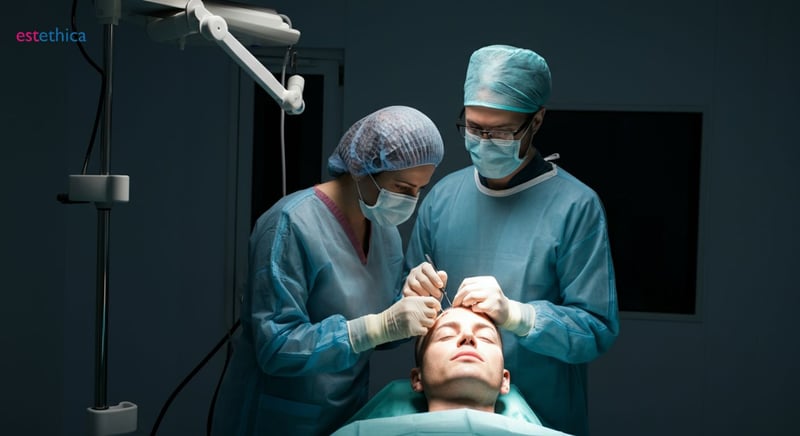
Hair transplant surgery is a meticulous process that requires careful planning and execution. Clinics like estethica offer detailed consultations to align patient expectations with realistic outcomes. The surgery typically involves extracting hair follicles from a donor area, often the back of the head, and implanting them into thinning or bald regions. Techniques such as Follicular Unit Extraction (FUE) and Direct Hair Implantation (DHI) are popular due to their minimally invasive nature, promoting faster recovery and natural-looking results.
- Consultation: Understanding patient needs and assessing hair loss patterns.
- Extraction: Carefully removing hair follicles from the donor site.
- Implantation: Placing the follicles into the recipient area for optimal growth.
Each step is crucial to ensure the success of the procedure and patient satisfaction. For more insights on how hair transplants can transform lives, you can explore this detailed exploration.
Key Benefits of Hair Transplant Techniques
- Minimally invasive procedures like FUE and DHI ensure quicker recovery.
- Natural-looking results that blend seamlessly with existing hair.
- Long-lasting solutions for hair restoration with proper care.
These techniques not only enhance appearance but also boost confidence, making them a preferred choice for many seeking hair restoration. Whether you're considering a hairline transplant or exploring options for hair implants near you, understanding these benefits can guide your decision-making process.
Exploring Hair Restoration: Techniques and Benefits
Innovative Techniques in Hair Restoration
Hair restoration has evolved significantly, with advanced techniques like Direct Hair Implantation (DHI) and Follicular Unit Extraction (FUE) leading the way. These methods minimize tissue trauma and enhance healing, making them popular among those seeking natural results. For instance, DHI uses a specialized implanter for precise placement, while FUE meticulously selects viable follicles for transplantation. Such innovations ensure dense, natural hair growth, appealing to both everyday individuals and celebrities.
- DHI allows for detailed placement without incisions, reducing recovery time.
- FUE ensures only the healthiest follicles are used, promoting robust growth.
- Both techniques are minimally invasive, offering a quicker return to daily activities.
These advancements not only improve aesthetic outcomes but also boost patient confidence, making hair restoration a transformative choice for many.
Understanding Hair Transplant Recovery Time
Recovery time is a crucial consideration for those undergoing hair restoration. Techniques like DHI and FUE are designed to minimize downtime, allowing patients to resume normal activities sooner. Typically, patients experience mild swelling and redness, which subsides within a few days. Full recovery and visible results can be expected within a few months, depending on individual healing rates.
- Initial Healing: Swelling and redness decrease within the first week.
- Follicle Settling: New hair begins to grow after a few weeks.
- Final Results: Noticeable hair density improvement within 6-12 months.
Understanding the recovery timeline helps manage expectations and ensures a smoother post-procedure experience. Whether considering a hairline transplant or exploring options for hair implants near you, knowing the recovery process is essential for planning your hair restoration journey.
Navigating Hair Transplant Recovery: Essential Tips
Managing Post-Operative Care for Optimal Results
Post-operative care is a pivotal aspect of achieving successful hair transplant outcomes. Ensuring a smooth recovery involves several key practices. Patients should avoid strenuous activities for a few weeks to prevent stress on the transplanted area. Sleeping in an elevated position can help reduce swelling, a common post-surgery occurrence. Additionally, adhering to prescribed medication regimens is crucial for minimizing discomfort and promoting healing.
- Protect the transplanted area from direct sunlight to prevent damage.
- Maintain scalp hygiene to avoid infections and ensure smooth healing.
- Understand the shedding phase, known as 'shock loss', to set realistic expectations.
These simple yet effective steps can significantly enhance the recovery process, ensuring long-term success and satisfaction with the hair restoration results.
Understanding the Shedding Phase and Recovery Timeline
The shedding phase, often referred to as 'shock loss', is a natural part of the hair transplant recovery process. During this phase, transplanted hair may temporarily fall out, which can be alarming but is entirely normal. This stage is crucial for setting realistic expectations and avoiding unnecessary panic.
- Initial Shedding: Transplanted hair may fall out within the first few weeks.
- Regrowth Phase: New hair begins to emerge after a few months.
- Final Results: Full hair density typically achieved within 12 months.
Understanding this timeline helps patients remain patient and optimistic about their hair restoration journey. Whether considering a hairline transplant or exploring options for hair implants near you, knowing the recovery process is essential for planning your hair restoration journey.
Is Hair Transplant Permanent? Debunking Myths
Understanding the Longevity of Hair Transplants
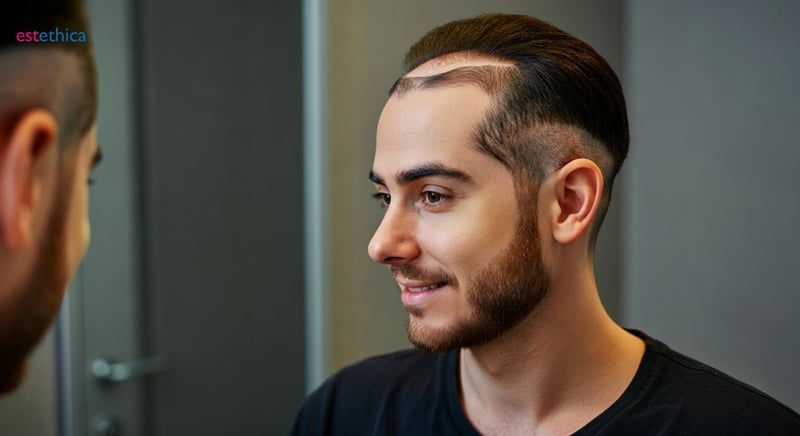
One of the most frequently asked questions about hair transplantation is its permanence. While it is true that transplanted hair can last a lifetime, the success depends on factors such as the type of hair loss, age, and the technique used. At estethica, the emphasis is on harnessing the best methodologies to ensure sustainability of results. It's a myth that transplanted hair requires different or more maintenance compared to natural hair; post-recovery, the hair can be washed, styled, and cared for just like normal. Additionally, advancements in surgical techniques have minimized past concerns of unnatural hairlines or obvious transplants, proving that these procedures can indeed offer lasting results.
Factors Influencing Hair Transplant Permanence
- Type of Hair Loss: Genetic factors and the pattern of hair loss can affect outcomes.
- Age: Younger patients may experience different results due to ongoing hair loss.
- Technique Used: Advanced methods like FUE and DHI offer more sustainable results.
Understanding these factors can help set realistic expectations for those considering a hair transplant. Whether you're exploring options for a hairline transplant or seeking hair implants near you, knowing these variables is crucial for making informed decisions.
Debunking Myths About Hair Transplant Costs
- Initial Consultation: Discussing goals and assessing hair loss patterns.
- Procedure Planning: Selecting the most suitable technique for individual needs.
- Post-Procedure Care: Ensuring proper maintenance for lasting results.
While the cost of hair transplants can vary, it's important to focus on the quality and expertise of the clinic. Clinics like estethica prioritize ethical practices and advanced techniques to ensure patient satisfaction and long-term success. Whether considering a transplant in Turkey or exploring local options, understanding the process can guide your journey towards effective hair restoration.
Innovative Hair Restoration Techniques: FUE and DHI
Excellence in Hair Transplant Recovery and Care
Frequently Asked Questions
What are the main techniques used in hair transplant surgery?
How long does it take to see results after a hair transplant?
Is a hair transplant a permanent solution for hair loss?
What should I expect during the recovery period after a hair transplant?
Are there any risks associated with hair transplant surgery?
Discover the Art of Healthy Beauty with estethica's Award-Winning Services. Call Now for Your Free Consultation!
📞 Speak to Our Experts Today!