


Dental implants offer a durable and aesthetic teeth replacement solution, enhancing oral health and confidence through modern restorative dentistry.
Considering dental implants as a long-term teeth replacement solution? You're not alone. Many people are turning to restorative dentistry for a confident, natural-looking smile. This comprehensive guide delves into what dental implants are, the significant benefits they offer for improving smile aesthetics, the typical dental implants cost and procedure involved, and the various types of dental implants available. If you're wondering how much do dental implants cost and what the process entails, you've come to the right place for clear, informative insights into this transformative dental option. Ensure all HTML tags are correctly formatted, and that the number of keyword usages is strictly adhered to.What are Dental Implants?
Dental implants represent a significant advancement in modern oral care, offering a stable and durable solution for missing teeth. At their core, these devices function as artificial tooth roots, providing a robust foundation for prosthetic teeth that look, feel, and function much like natural ones. The primary material used for dental implants is titanium, a biocompatible metal chosen for its remarkable ability to integrate with living bone tissue. This integration process, known as osseointegration, is crucial for the long-term success of the implant.
The procedure involves surgically placing the implant fixture into the jawbone. Over a period of several months, the bone grows around and fuses with the titanium post. This creates an incredibly strong anchor, far more stable than traditional dentures or bridges. Unlike these older methods, which often rely on neighboring teeth for support or rest on the gums, implants become a permanent part of your anatomy. This permanence is a key differentiator, offering unparalleled stability and preventing the bone loss that often occurs after tooth extraction.
The Science Behind Osseointegration
Osseointegration is the biological process that makes dental implants so successful. When the titanium implant is placed in the jawbone, the body recognizes it as a natural part of the body. Specialized bone cells, osteoblasts, then migrate to the surface of the implant, initiating a biological fusion. This direct connection between the living bone and the implant surface is what provides the exceptional stability and support necessary for chewing, speaking, and smiling with confidence. Understanding the process is vital, and for those considering this advanced treatment, resources like Helvetic Clinics Dental Implants: Your Smile Solution can offer valuable insights into the journey.
Understanding the Implant Structure
A typical dental implant consists of three main parts. The implant fixture itself, which is the screw-like post surgically placed into the jawbone. The abutment, a connector piece that attaches to the implant fixture and protrudes above the gum line. Finally, the crown, which is the visible, tooth-shaped prosthetic that is custom-made to match your natural teeth in color, shape, and size. Together, these components restore the form and function of a missing tooth. Exploring the different types of dental implants available can help individuals understand the variety of options tailored to specific needs. Patients often inquire about the dental implants cost and procedure, seeking clarity on the investment and the steps involved in achieving a complete smile.
Considering the overall dental implants cost and procedure is a crucial step for anyone exploring options to replace missing teeth. The effectiveness of dental implants extends beyond mere aesthetics; they are fundamental to maintaining oral health and preventing further dental complications. The stability offered by osseointegration ensures that the replacement tooth functions as if it were natural, allowing for normal eating and speaking habits. This makes dental implants a highly sought-after teeth replacement solution. Further details on the dental implants cost and procedure can shed light on the comprehensive nature of this treatment. We also delve into the various types of dental implants, ensuring a thorough understanding for prospective patients.

The Benefits of Dental Implants for Your Smile
Losing a tooth can be a distressing experience, impacting not only your appearance but also your oral health and overall confidence. Fortunately, modern dentistry offers sophisticated solutions, and dental implants stand out as a premier choice for individuals seeking to restore both function and aesthetics. The advantages of opting for dental implants extend far beyond simply filling a gap in your smile; they offer a comprehensive approach to rebuilding your oral health.
Preserving Jawbone Health and Facial Structure
One of the most significant benefits of dental implants is their unique ability to prevent jawbone loss, a common and often overlooked consequence of missing teeth. When a tooth root is no longer present, the jawbone gradually deteriorates due to lack of stimulation. This bone loss can lead to a sunken appearance in the face, making you look older and altering your natural facial structure. The titanium post of a dental implant acts as an artificial tooth root, integrating with the jawbone and providing the necessary stimulation to maintain its density and shape. This osseointegration process is crucial for long-term oral health and facial support, distinguishing dental implants from other, less integrated, teeth replacement options.
Restoring Full Functionality and Comfort
Beyond aesthetic considerations and bone preservation, dental implants excel at restoring the full functionality of your mouth. Chewing efficiency is dramatically improved, allowing you to enjoy a wider variety of foods without discomfort or worry. This enhanced ability to eat properly contributes to better overall nutrition and digestion. Furthermore, the stability provided by implants significantly improves your ability to speak clearly and comfortably. Unlike dentures or bridges that can sometimes shift or feel unnatural, implants are a fixed solution, offering the security and confidence of having natural teeth. Exploring the details of the dental implants cost and procedure can help you understand this transformative process further.
Enhancing Confidence and Smile Aesthetics
The aesthetic improvement offered by dental implants is often profound. A complete and healthy-looking smile can dramatically boost self-confidence, making social interactions more enjoyable and reducing self-consciousness. The natural appearance and feel of implants seamlessly blend with your existing teeth, creating a harmonious and attractive smile. Importantly, compared to traditional dental bridges, dental implants do not require the alteration of healthy adjacent teeth. This means more of your natural tooth structure is preserved, contributing to better long-term oral health. For those considering comprehensive oral restoration, learning more about the dental implants cost and procedure is a vital step. We encourage you to read our article on Dental Implants: Modern Smile Restoration Solutions for a deeper understanding of these advanced treatments. These benefits collectively make dental implants a superior choice for many seeking a permanent and effective way to regain a functional and beautiful smile.
Dental Implants Cost and Procedure Explained
Understanding the dental implants cost and procedure is a crucial step for anyone considering this advanced option for tooth loss. The overall expense associated with dental implants cost and procedure can fluctuate significantly. Several factors influence this variability, including the number of implants required, the complexity of your individual dental situation, the specific materials utilized in the implant and restoration, and even your geographic location. While the initial financial outlay might seem considerable, it's important to view it as a long-term investment in your oral health and overall well-being.
The journey to receiving dental implants is generally a phased process. It begins with a thorough consultation and diagnostic assessment. This initial meeting allows your dental professional to evaluate your oral health, discuss your needs, and determine the best course of action. Following this, the surgical placement of the implant fixture into the jawbone is performed. This titanium post serves as a stable anchor for your new tooth. A critical phase follows: a healing period during which osseointegration occurs. This biological process is where the jawbone fuses with the implant, creating a robust foundation. Once healing is complete, an abutment is attached to the implant. This connector piece will support the final restoration. The concluding stage involves securing a custom-made crown, bridge, or denture to the abutment, effectively completing your new, functional smile.
Factors Influencing Dental Implants Cost
The pricing for dental implants cost and procedure is not one-size-fits-all. Several elements contribute to the final figure. The complexity of the surgical procedure itself plays a role; for example, if bone grafting is necessary before implant placement, this will add to the overall cost. The materials used for the implant post, abutment, and the final crown also differ in price. High-quality ceramic or porcelain crowns, for instance, offer superior aesthetics and durability but come at a higher price point than some other materials. Furthermore, the expertise and reputation of the dental clinic and the specific region's cost of living can influence the charges. For a comprehensive overview of what implants entail, consider reading our detailed guide, Dental Implants: Your Guide to Modern Tooth Replacement.
Understanding the Procedure Stages
The dental implant process is meticulously planned to ensure optimal outcomes. Initial assessments involve detailed examinations, including X-rays and potentially CT scans, to map out the jawbone and surrounding structures. The surgical insertion of the implant is performed under local anesthesia, ensuring patient comfort. Post-surgery, a period of several months is typically required for the jawbone to integrate with the implant – a process vital for the implant's long-term stability. The subsequent placement of the abutment and the final prosthetic crown, bridge, or denture is then carried out, finalizing the types of dental implants restoration. Even though the upfront investment for dental implants may be significant, their longevity, resistance to decay, and ability to prevent further bone loss often make them a highly cost-effective and beneficial choice over time compared to other types of dental implants and tooth loss treatments.
Exploring Different Types of Dental Implants
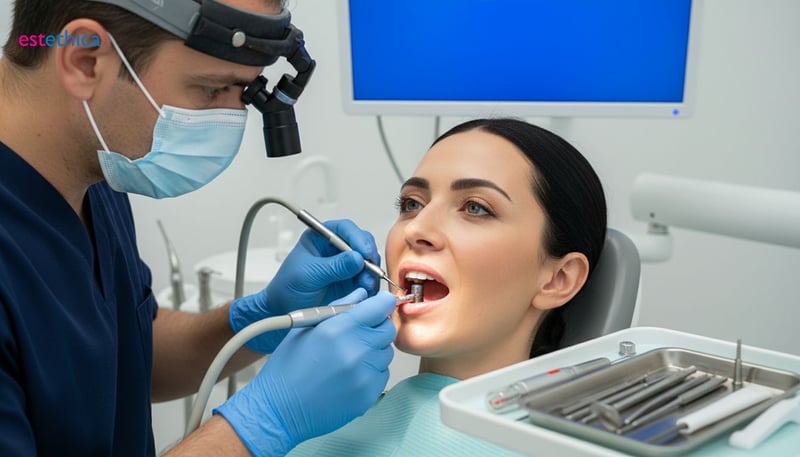
The field of restorative dentistry provides a variety of dental implants, each designed to address specific patient needs and oral conditions. Understanding these different options is key to making an informed decision about your treatment. The most commonly utilized are endosteal implants. These are surgically placed directly into the jawbone, mimicking the function and position of natural tooth roots. They offer a stable and durable foundation for a replacement tooth or bridge. For patients who may not have sufficient bone height or density to support endosteal implants, subperiosteal implants present an alternative. This type involves a metal framework that is custom-made to rest on the jawbone just below the gum tissue, providing a stable base for the prosthetic teeth.
Common Implant Options and Their Applications
Another significant category includes mini dental implants. These are notably smaller in diameter compared to traditional implants and are often chosen for specific applications, such as stabilizing lower dentures or for individuals with limited bone volume where traditional implants might be too invasive. The reduced size can sometimes mean a less complex surgical procedure. For those experiencing complete tooth loss in an arch, advanced techniques like the All-on-4® or All-on-6® procedures offer a comprehensive teeth replacement solution. These methods strategically place a set number of implants to support a full set of replacement teeth, providing a fixed and functional outcome. This approach can significantly restore both chewing ability and aesthetic appearance.
The choice between these various types of dental implants depends heavily on individual circumstances, including bone quality and quantity, overall health, and the specific restorative goals. A thorough examination and consultation with a dental professional are crucial to determine the most suitable option. For those seeking a fixed restoration, exploring comprehensive guides can be beneficial. You can find more detailed information in resources such as the SmilePro Dental Implants: Information Guide for Fixed Restoration. This type of advanced planning ensures that the chosen dental implants will provide optimal function, comfort, and a natural-looking result, contributing significantly to improved oral health and confidence. Each of these variations plays a vital role in modern dentistry, offering personalized paths to regaining a complete and healthy smile.

Osseointegration: The Science Behind Stable Dental Implants
Dental implants represent a significant advancement in modern oral care, offering a stable and durable solution for missing teeth. The science behind their success lies in osseointegration, a biological process where the titanium implant fixture fuses with the jawbone, creating a robust foundation for prosthetic teeth that look, feel, and function like natural ones.
Understanding the implant structure, typically comprising three main parts, is key to appreciating their effectiveness. This detailed approach ensures long-term stability and a natural feel, addressing concerns about tooth replacement options.
With a focus on restorative dentistry, the expertise lies in providing comprehensive solutions for missing teeth. The aim is to restore full functionality and comfort, enhancing overall oral health and patient confidence through advanced techniques.
Your Comprehensive Guide to Dental Implants Cost and Procedure
Considering the overall dental implants cost and procedure is a crucial step for anyone exploring options to replace missing teeth. This guide breaks down the typical stages involved, from surgical placement to the final prosthetic, ensuring clarity and informed decision-making.
Losing a tooth can be a distressing experience, impacting not only your appearance but also your oral health and overall confidence. Dental implants offer a reliable and lasting solution, restoring both function and self-assurance.
Exploring different types of dental implants allows for personalized treatment plans, ensuring the best fit for individual needs. Whether seeking smile aesthetics dental implants or a full tooth replacement, the center offers expert guidance on how to choose dental implants that meet your expectations.