


Unveil the transformation of your smile with our comprehensive guide to implant dentistry, featuring cutting-edge solutions for dental restoration.
Discover how implant dentistry has evolved into a modern marvel, providing solutions that restore not only the functionality of teeth but also enhance aesthetics. Implant dentistry stands at the forefront of dental innovations, offering highly effective treatments for tooth replacement. Learn about the science behind dental implants, step-by-step procedures, and what to expect during treatment, ensuring you embrace the perfect smile with confidence.
The Evolution of Implant Dentistry: A Modern Marvel
The Transformative Journey of Implant Dentistry
Implant dentistry's evolution reflects significant advancements in dental care, shifting from experimental to mainstream. This transformation hinges on the groundbreaking discovery of osseointegration by Dr. Per-Ingvar Brånemark. This process allows titanium implants to fuse directly with the jawbone, creating a stable and long-lasting foundation for artificial teeth. Today, dental implants not only restore the functionality of natural teeth but also enhance facial aesthetics, providing a comprehensive solution for individuals seeking to regain their smile and confidence.
The journey of implant dentistry involves continuous improvements in materials and surgical techniques. Early implants were basic in design, but modern implants are engineered with precision, offering better compatibility and success rates. The integration of technologies like 3D imaging and CAD/CAM systems has further refined the accuracy and predictability of implant procedures. As a result, patients benefit from customized treatment plans that address their specific needs, ensuring optimal outcomes and satisfaction with their dental restorations.
Moreover, the scope of implant dentistry has expanded to include various innovative solutions, such as All-on-4 implants and zygomatic implants, addressing complex cases with bone loss. These advancements have made implant dentistry accessible to a wider range of patients, including those who were previously considered unsuitable candidates for traditional implants. Consequently, more individuals can now enjoy the life-changing benefits of dental implants, from improved oral health to enhanced quality of life.
Key Benefits of Modern Dental Implants
- Enhanced Chewing Efficiency: Dental implants restore the ability to chew food effectively, promoting better digestion and nutrition.
- Improved Speech Clarity: Unlike dentures, implants are fixed in place, allowing for clear and natural speech without the worry of slippage.
- Long-Term Durability: With proper care, dental implants can last a lifetime, making them a cost-effective solution for tooth replacement.
The Step-by-Step Process of Dental Implant Placement
- Initial Consultation and Evaluation: A comprehensive examination, including X-rays and scans, is conducted to assess the patient's suitability for dental implants.
- Implant Placement: The titanium implant is surgically placed into the jawbone, ensuring precise positioning for optimal osseointegration.
- Restoration: Once the implant has fully integrated with the bone, a custom-made crown is attached, completing the restoration process.
The evolution of implant dentistry has transformed the landscape of tooth replacement, offering patients a reliable and aesthetically pleasing solution. With continuous advancements and innovations, dental implants are set to remain at the forefront of modern dental care, providing lasting benefits for generations to come.

Tooth Implants: Restoring Functionality and Aesthetics
The Dual Role of Tooth Implants: Function and Form
Tooth implants are essential for those looking to restore their teeth's functionality and aesthetics. These permanent solutions address the problems caused by tooth loss, such as difficulty chewing and speaking, while also preventing jaw bone loss. Modern implants serve functional purposes and enhance appearance by blending seamlessly with your natural teeth. According to a study in the "Journal of Oral Implantology," patients reported a 95% satisfaction rate with the aesthetic results of their dental implants.
Implants offer tailored options for single, multiple, or full arch replacements, meeting diverse dental needs and ensuring personalized care. Unlike traditional dentures that can slip or cause discomfort, implants provide a stable and secure base for replacement teeth. This stability enhances chewing efficiency and speech clarity, significantly improving the patient's quality of life. For instance, individuals who have switched from dentures to implants often find it easier to enjoy a wider variety of foods and speak more confidently in social situations.
Moreover, the benefits of tooth implants extend beyond immediate functional and aesthetic improvements. By preventing bone loss in the jaw, implants help maintain the natural facial structure and prevent premature aging. The process of osseointegration, where the implant fuses with the bone, provides long-term stability and support. With proper care, including regular dental check-ups and good oral hygiene, tooth implants can last a lifetime, making them a cost-effective and reliable solution for tooth replacement.
Factors Influencing the Cost of Tooth Implants
- Number of Implants: The total cost will vary depending on whether you need a single implant, multiple implants, or a full arch replacement.
- Materials Used: The type of materials used for the implant and crown can affect the overall price; for example, zirconia or titanium implants.
- Additional Procedures: Additional procedures such as bone grafting or sinus lifts, which may be necessary to ensure the success of the implant, can add to the cost.
The Process of Receiving Tooth Implants
- Initial Consultation: This includes a thorough examination, X-rays, and a discussion of your treatment options to determine if you are a suitable candidate for implants.
- Implant Placement: The implant is surgically placed into the jawbone, and a healing period of several months is required for osseointegration to occur.
- Abutment and Crown Placement: Once the implant has fully integrated, an abutment is attached, and a custom-made crown is placed on top to complete the restoration.
Osseointegration Explained: The Science Behind Dental Implants
The Biological Basis of Osseointegration
Osseointegration is the cornerstone of successful dental implants, denoting the direct structural and functional connection between living bone and the surface of a load-bearing artificial implant. This biological process allows the titanium post to integrate seamlessly with the jawbone, providing a stable foundation that mimics the natural tooth root. The discovery of osseointegration revolutionized implant dentistry, transforming it from an experimental procedure to a predictable and reliable treatment option. According to the "Journal of Prosthetic Dentistry," the success rate of dental implants relying on osseointegration is over 90%.
The process involves several stages, starting with the surgical placement of the implant into the jawbone. Following this, a period of healing allows bone cells to grow and adhere to the implant surface. Factors such as implant material, surface characteristics, and surgical technique play crucial roles in promoting osseointegration. For instance, implants with a rougher surface texture have been shown to enhance bone cell attachment, leading to faster and more robust integration. At estethica, meticulous attention is given to these factors to optimize patient outcomes.
Understanding osseointegration is essential for ensuring the longevity and success of dental implants. This biological phenomenon not only provides the necessary stability for the dental prosthesis but also stimulates bone remodeling, preventing bone loss in the jaw. Furthermore, advancements in implant technology, such as 3D-printed implants explored by estethica, aim to enhance the precision and predictability of osseointegration, offering patients tailored solutions that promote optimal integration and long-term oral health. Proper post-operative care and maintenance are also vital for sustaining osseointegration and ensuring the continued success of the dental implant.
Factors Influencing Osseointegration Success
- Implant Material and Surface: Titanium implants with specific surface treatments enhance bone cell attachment and promote faster osseointegration.
- Surgical Technique: Precise implant placement and atraumatic surgical techniques minimize trauma and promote optimal healing.
- Patient Health: Systemic health conditions, such as diabetes, and lifestyle factors, like smoking, can impact the success of osseointegration.
The Role of Osseointegration in Dental Implant Longevity
- Initial Stability: Osseointegration provides the primary stability needed for the implant to withstand functional loads during chewing and speaking.
- Long-Term Support: The continuous bone remodeling stimulated by osseointegration ensures the implant remains securely anchored in the jawbone over time.
- Prevention of Bone Loss: By maintaining bone density around the implant, osseointegration helps preserve the natural facial structure and prevent premature aging.

Dental Implants Procedure: What to Expect Step-by-Step
Detailed Stages of the Dental Implant Procedure
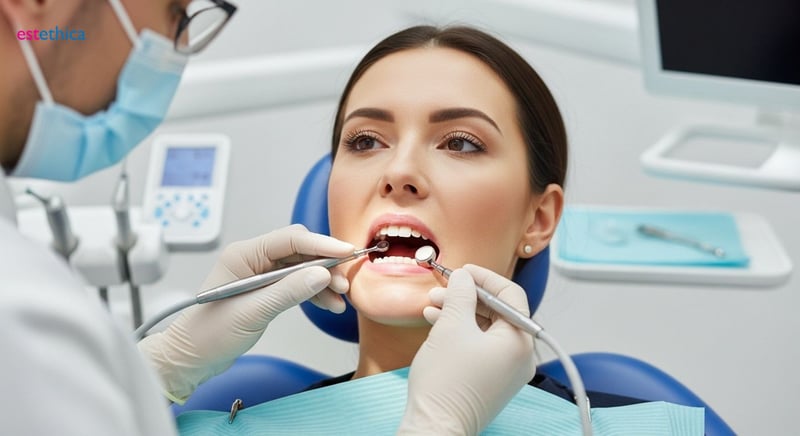
The dental implant procedure is a carefully orchestrated process, beginning with a thorough evaluation to determine candidacy. This initial assessment includes a review of the patient's dental history, a comprehensive oral examination, and advanced imaging such as X-rays or CT scans to assess bone density and identify any potential issues. A precise treatment plan is then developed, tailored to the patient's specific needs and anatomical conditions. estethica ensures each patient receives a customized approach, maximizing the likelihood of a successful outcome.
Following the initial assessment, the next phase involves the surgical placement of the dental implant. This is typically performed under local anesthesia, with options for sedation to ensure patient comfort. A small incision is made in the gum tissue to expose the jawbone, into which a titanium implant is carefully inserted. The gum tissue is then sutured, and a period of healing is required to allow osseointegration to occur. estethica utilizes advanced surgical techniques to minimize discomfort and promote faster healing.
Once osseointegration is complete, the final step involves attaching a custom-made crown or bridge to the implant. An abutment, which serves as a connector, is first attached to the implant, and then the final restoration is secured onto the abutment. The result is a functional and aesthetically pleasing tooth replacement that blends seamlessly with the patient's natural teeth. Post-procedure, patients receive detailed instructions on oral hygiene and maintenance to ensure the longevity of their dental implants. Regular check-ups at estethica are crucial for monitoring the implant's health and overall oral health.
Essential Steps for Maintaining Dental Implants
- Regular check-ups: Routine visits to your dentist ensure early detection of any issues.
- Good oral hygiene: Consistent brushing and flossing prevent plaque buildup.
- Avoid harmful habits: Steering clear of smoking and excessive alcohol consumption supports implant health.
Understanding the Timeline for Dental Implant Procedures
- Initial Consultation: Assessment and treatment planning.
- Implant Placement: Surgical insertion of the titanium post.
- Final Restoration: Attaching the abutment and custom-made crown.
CAD/CAM Systems and 3D Imaging Enhance Precision in Implant Dentistry
estethica integrates CAD/CAM systems and 3D imaging to refine the accuracy and predictability of implant procedures. These technologies enable customized treatment plans, addressing specific patient needs for optimal outcomes and satisfaction with dental restorations.
estethica's dental aesthetic services utilize world-class technological devices and an expert doctor staff to deliver exceptional results. The integration of advanced imaging and design systems ensures precise implant placement and aesthetically pleasing outcomes for patients seeking tooth replacement solutions.
Meticulous Surgical Techniques and Post-Operative Care Ensure Implant Longevity
estethica employs meticulous surgical techniques to minimize discomfort and promote faster healing during implant placement. Detailed instructions on oral hygiene and maintenance are provided post-procedure to ensure the longevity of dental implants, emphasizing regular check-ups for monitoring implant health.
Patients at estethica benefit from a comprehensive approach, including thorough evaluations, precise implant placement, and custom-made crowns for functional and aesthetically pleasing tooth replacements. The hospital's commitment to ethical values and patient safety ensures a reliable and satisfying experience for all individuals seeking dental implant solutions.
Frequently Asked Questions
What are dental implants and how do they work?
What is the dental implant procedure like, step-by-step?
What is osseointegration and why is it important for dental implants?
How do tooth implants compare to other tooth replacement options like dentures or bridges?
What factors contribute to the success of implant dentistry?
Achieve your aesthetic goals with estethica's personalized care and expert services.
📞 Schedule Your Free Consultation!