


Revitalize your smile with dental implants! Discover how implant dentistry serves as a beacon for oral health restoration and new-age aesthetics.
In today's fast-evolving dental landscape, dental implants have emerged as the quintessential solution for tooth loss. Not only do they restore oral function, but they also rejuvenate smiles, offering patients a second chance to enjoy life without the discomfort of traditional dentures. This guide explores the intricate world of dental implants, guiding you through the process, benefits, and the transformative impact they can have on your life.
Implant Dentistry: Rebuilding Confidence, One Tooth at a Time
The Enduring Benefits of Dental Implants
Dental implants offer an unparalleled advantage in restoring both form and function to your oral health. These tiny but sturdy titanium posts serve as the foundation for replacement teeth, bridging the gap between lost teeth and a restored smile. By successfully anchoring to the jawbone, they prevent bone loss, a common consequence of tooth loss, and provide a permanent solution to missing teeth. Dental implants are a long-term investment in your health and well-being, offering stability and support that traditional dentures or bridges cannot match. They are designed to mimic the look, feel, and function of natural teeth, allowing you to eat, speak, and smile with confidence. Today, approximately 3 million people in the United States have dental implants, a testament to their effectiveness and popularity. With proper care, dental implants can last a lifetime, making them a cost-effective solution in the long run.
Exploring the Advantages of Implant Dentistry
- Enhanced Aesthetics: Dental implants are custom-made to match the color, size, and shape of your natural teeth, providing a seamless and natural-looking smile.
- Improved Functionality: Unlike dentures, dental implants are securely anchored in the jawbone, allowing you to chew, speak, and laugh without any discomfort or worry.
- Long-Term Durability: With proper care and maintenance, dental implants can last a lifetime, making them a durable and reliable solution for tooth loss.
Implant dentistry offers a range of tooth replacement options tailored to individual needs. From single tooth implants to full arch dental implants, there is a solution for every situation. The process typically involves a thorough evaluation, including X-rays and scans, to determine the best course of treatment. The implant is then surgically placed into the jawbone, followed by a healing period during which osseointegration occurs, allowing the implant to fuse with the bone. Once the implant is stable, a custom-made crown is attached, completing the restoration. Consider, for instance, a patient who lost a tooth due to an accident. A dental implant not only restores their smile but also prevents adjacent teeth from shifting, maintaining the integrity of their bite. Or, imagine a senior who struggled with ill-fitting dentures. Dental implants provide a secure and comfortable alternative, allowing them to enjoy their favorite foods again. Even in cases of extensive tooth loss, full mouth dental implants can restore an entire arch of teeth, providing a complete and functional smile.

Dental Implants Before & After: Transforming Smiles and Lives
Visualizing the Impact of Teeth Implants
The transformative power of dental implants is evident in numerous before-and-after cases. Patients often report significant improvements in their quality of life, from enhanced eating comfort to increased self-esteem. The journey to a new smile starts with a comprehensive assessment and ends with a durable, aesthetic, and functional oral solution. Consider, for example, a patient who had struggled with traditional dentures for years. The before-and-after photos reveal not only a restored smile but also a newfound confidence. Another compelling case involves a patient who lost teeth due to an accident. Dental implants not only filled the gaps but also rejuvenated their facial structure. Even in cases of severe bone loss, advancements in implant dentistry make it possible to rebuild the foundation for a stable and lasting smile. These visual transformations underscore the profound impact that dental implants can have on a person's overall well-being.
Understanding the Cost Factors of Dental Implants
- Initial Consultation and Assessment: The first step involves a thorough examination, including X-rays and scans, to evaluate your oral health and determine the best treatment plan.
- Implant Placement: The surgical placement of the implant into the jawbone is a critical factor, requiring precision and expertise.
- Abutment and Crown: The abutment connects the implant to the crown, which is custom-made to match your natural teeth.
Many factors can influence the dental implant cost. These include the number of implants needed, the type of materials used, and any additional procedures required, such as bone grafting. While the initial investment may seem significant, it's essential to consider the long-term benefits of dental implants compared to other tooth replacement options like dental bridges or dentures. Dental implants are designed to last a lifetime with proper care, making them a cost-effective solution in the long run. For instance, full arch dental implants can restore an entire arch of teeth, providing a complete and functional smile. Additionally, advancements in technology have made procedures like same day dental implants possible, offering faster and more convenient solutions for patients seeking immediate results. When considering affordable dental implants near me, it's important to prioritize quality and expertise to ensure the best possible outcome.
- Material: The type of material used for the implant and crown can affect the overall dental implant cost.
- Number of Implants: The more implants you need, the higher the overall cost.
- Additional Procedures: Bone grafting or sinus lifts may be necessary in some cases, adding to the overall dental implant cost.
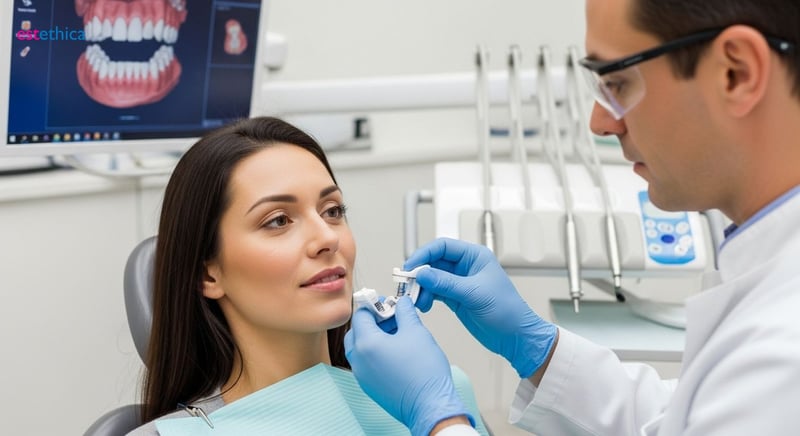
Are You a Candidate? Exploring Tooth Replacement Options
Assessing Candidacy for Dental Implants
Determining whether dental implants are the right choice involves a comprehensive evaluation of your oral and overall health. Ideal candidates typically have sufficient bone density in the jaw to support the implant, healthy gum tissue, and a commitment to maintaining good oral hygiene. However, even if you have certain health conditions or habits like smoking, you may still be a candidate with proper management and care. For example, individuals with controlled diabetes can often undergo implant procedures successfully. Similarly, those who have experienced bone loss may benefit from bone grafting to enhance implant stability. The key is a personalized assessment by a qualified implant dentist who can tailor a treatment plan to your specific needs. The success of dental implants largely depends on the patient's commitment to following post-operative instructions and maintaining regular dental check-ups. In fact, studies show that patients who adhere to these guidelines have a significantly higher success rate with their implants. Ultimately, the decision to proceed with dental implants should be made in consultation with your dentist, considering all factors to ensure the best possible outcome.
Exploring Alternative Tooth Replacement Options
- Dental Bridges: Bridges fill the gap created by a missing tooth by anchoring to adjacent teeth.
- Dentures: Dentures are removable appliances that can replace multiple teeth or a full arch.
- Implant-Supported Dentures: These dentures are anchored to dental implants for enhanced stability.
While dental implants offer numerous advantages, they may not be the best solution for everyone. Alternative tooth replacement options, such as dental bridges and dentures, can also restore your smile and improve oral function. Dental bridges involve anchoring a false tooth (pontic) to the adjacent teeth, effectively filling the gap. Dentures, on the other hand, are removable appliances that can replace multiple teeth or even a full arch. For those seeking a more stable denture solution, implant-supported dentures offer the best of both worlds. These dentures are anchored to dental implants, providing enhanced stability and support. For example, a patient with limited bone density may opt for dentures as a less invasive alternative. Or, someone who needs a quick and affordable solution might choose a dental bridge. Each option has its own set of benefits and considerations, and the best choice depends on your individual needs and preferences. Ultimately, consulting with your dentist will help you determine the most suitable tooth replacement option for your unique situation.
- Bone Density: Adequate bone density is crucial for successful implant placement.
- Oral Hygiene: Maintaining good oral hygiene is essential for the long-term success of dental implants.
- Overall Health: Certain health conditions can affect your candidacy for dental implants.

Digital Dental Implants: The Future of Implant Dentistry
The Precision and Benefits of Digital Implant Dentistry
Digital dental implants represent a significant leap forward in implant dentistry, utilizing advanced technology to enhance every aspect of the implant process. From initial planning to final placement, digital tools such as 3D imaging, CAD/CAM technology, and computer-guided surgery offer unparalleled precision and predictability. This approach not only improves the accuracy of implant placement but also minimizes the risk of complications and reduces recovery time for patients. For example, digital scanning replaces traditional impressions, providing a more comfortable and accurate experience for the patient. Computer-guided surgery allows for precise placement of the implant, avoiding critical anatomical structures. Furthermore, digital planning enables dentists to visualize the final result before the procedure even begins, ensuring optimal aesthetics and function. The integration of digital technology in implant dentistry results in more efficient, predictable, and patient-friendly treatments.
Exploring the Digital Dental Implant Process
- Digital Scanning and Imaging: Replacing traditional impressions with intraoral scanners for accurate 3D models of the patient's mouth.
- Computer-Aided Planning: Using specialized software to plan the precise placement of the implant, considering bone density and anatomical structures.
- Guided Surgery: Employing surgical guides created from the digital plan to ensure accurate and predictable implant placement.
The digital dental implant process begins with a comprehensive digital scan of the patient's mouth, creating a detailed 3D model. This eliminates the need for messy and uncomfortable traditional impressions. Next, using advanced software, the dentist plans the exact location and angle of the implant, taking into account bone density, nerve pathways, and the position of adjacent teeth. This digital planning ensures optimal placement for both function and aesthetics. Surgical guides, created from the digital plan, are then used during the implant procedure to ensure the implant is placed exactly where planned. This guided surgery minimizes the risk of errors and complications, leading to more predictable outcomes. For instance, elos scanbody technology ensures precise alignment and fit of the implant components. Smartpeg osstell devices can measure the stability of the implant, ensuring successful osseointegration. Digital dental implants not only enhance the precision of the procedure but also improve the overall patient experience.
- Enhanced Precision: Digital technology allows for more accurate implant placement, reducing the risk of complications.
- Reduced Recovery Time: Minimally invasive techniques and precise planning result in faster healing and less discomfort.
- Improved Aesthetics: Digital planning ensures optimal aesthetics, resulting in a natural-looking and functional smile.
Digital Dental Implants: Enhancing Precision with 3D Imaging and Guided Surgery
estethica utilizes digital dental implants, integrating 3D imaging and CAD/CAM technology, to enhance precision and predictability in implant procedures. This advanced approach minimizes complications and reduces recovery time, ensuring optimal aesthetics and function for patients.
estethica's dental aesthetic services employ world-class technological devices and a team of expert doctors specializing in implant treatments. They offer personalized assessments to determine the best course of treatment, ensuring successful outcomes.
Comprehensive Evaluation and Personalized Treatment Plans for Optimal Results
estethica ensures patient safety and health by prioritizing thorough evaluations, including X-rays and scans, to determine the most suitable tooth replacement options. They offer a range of solutions tailored to individual needs, from single tooth implants to full arch dental implants.
Patients at estethica experience improved aesthetics, functionality, and long-term durability with dental implants, restoring their ability to eat, speak, and smile with confidence. The hospital's commitment to ethical values and patient satisfaction ensures a trustworthy healthcare experience.
Frequently Asked Questions
What are dental implants and how do they work?
What are the benefits of choosing dental implants over other tooth replacement options?
What is the dental implant process like, from start to finish?
What can I expect from dental implants before and after the procedure?
Are digital dental implants really the future of implant dentistry?
Ready to discover your healthiest, most beautiful self with estethica's personalized care?
📞 Call Now for a Free Consultation!