


Learn everything about dental implants and discover a reliable path to a confident smile; the definitive guide offers all the insights you need!
Dental implants have revolutionized the way we approach tooth restoration, offering a permanent and aesthetically pleasing solution for those with missing teeth. "Unlock Your Smile: The Definitive Guide to Dental Implants" aims to provide comprehensive insights into implant dentistry, ensuring readers can make informed decisions about their oral health. Throughout this guide, we will explore various aspects of dental implants, including candidacy, cost considerations, and technological advancements that make this treatment a preferred choice for many.
Implant Dentistry: Restoring Confidence, One Tooth at a Time
Understanding the Comprehensive Benefits of Implant Dentistry
Implant dentistry offers a transformative solution for individuals facing tooth loss, addressing not only the aesthetic concerns but also the functional and psychological impacts. Beyond merely filling a gap, dental implants provide a foundation that closely mimics the structure and stability of natural teeth. This approach ensures long-term oral health and enhances the quality of life, allowing individuals to regain confidence in their smile and ability to eat and speak comfortably. According to a recent survey, 85% of patients reported increased self-esteem following their dental implant procedure.
The process begins with a thorough evaluation to determine the patient's suitability for implants, considering factors such as bone density and overall health. The placement of the implant involves a precise surgical procedure, followed by a period of osseointegration, where the implant fuses with the jawbone. Once integrated, a custom-made crown is attached, completing the restoration. This comprehensive approach ensures a durable and natural-looking result. The advantages of implant dentistry are numerous, including improved chewing efficiency, prevention of bone loss, and enhanced aesthetics.
- Enhanced Stability: Dental implants provide unmatched stability compared to traditional dentures, allowing patients to enjoy a wider range of foods without discomfort.
- Preservation of Jawbone: Implants stimulate the jawbone, preventing bone loss that can occur with missing teeth, thereby maintaining facial structure.
- Natural Appearance: Custom-designed crowns ensure that dental implants blend seamlessly with existing teeth, creating a natural and aesthetically pleasing smile.
Exploring Options and the Value of Implant Dentistry
When considering tooth replacement options, it's essential to understand the long-term value and benefits of implant dentistry. While alternatives like dental bridges and dentures may offer a quicker solution, they often come with limitations, such as the need for frequent replacements and potential damage to adjacent teeth. Implant dentistry, on the other hand, provides a durable and lasting solution that can improve overall oral health and function. A study showed that dental implants have a success rate of over 95% over a ten-year period.
The investment in implant dentistry reflects the quality of materials, precision of the surgical procedure, and the expertise of the dental team. While the upfront cost may be higher compared to other options, the longevity and benefits of implants often make them a cost-effective choice in the long run. Furthermore, advancements in technology, such as 3D printing and guided surgery, have enhanced the precision and predictability of implant placement. Consulting with a qualified implant dentist is crucial to determine the best course of treatment and understand the associated costs and financing options. For example, someone with a single missing tooth can opt for a single implant, while those with multiple missing teeth might consider All-on-4 dental implants. Also, individuals seeking immediate results might explore "Teeth in a Day" options, and those concerned about aesthetics could consider Zirconia dental implants.
- Initial Consultation: A comprehensive evaluation, including X-rays and a discussion of treatment goals, is conducted to determine the suitability for dental implants.
- Implant Placement: The dental implant is surgically placed into the jawbone, followed by a period of osseointegration, typically lasting several months.
- Crown Attachment: Once the implant has fully integrated with the bone, a custom-made crown is attached, completing the restoration and restoring full functionality.

Osseointegration Explained: The Science Behind Successful Tooth Implants
The Biological Basis of Osseointegration
The success of dental implants hinges on osseointegration, a biological process where the implant material forms a direct structural and functional connection with the living bone. This fusion is critical for the long-term stability and functionality of dental implants. Osseointegration ensures that the implant becomes a seamless part of the jawbone, providing a solid foundation for the artificial tooth. The process involves a complex interplay of cellular and molecular events, leading to the deposition of new bone tissue directly onto the implant surface.
Initially, after the implant is placed, a blood clot forms around it, followed by an inflammatory response that recruits cells responsible for bone formation. These cells, called osteoblasts, migrate to the implant surface and begin to deposit new bone matrix. Over time, this new bone tissue mineralizes and remodels, creating a strong and durable bond between the implant and the surrounding bone. Factors such as the biocompatibility of the implant material, the surface characteristics of the implant, and the patient's overall health can significantly influence the success of osseointegration. For instance, implants made of titanium are highly biocompatible and promote excellent osseointegration.
- Implant Material: Titanium and its alloys are commonly used due to their biocompatibility and ability to promote bone growth.
- Surface Texture: Roughened implant surfaces enhance osseointegration by providing a larger area for bone cells to attach and proliferate.
- Surgical Technique: Precise surgical placement and minimal trauma to the surrounding bone are crucial for successful osseointegration.
Technological Advancements Supporting Osseointegration
Advancements in technology have significantly enhanced the predictability and success of osseointegration in dental implant procedures. Techniques such as guided surgery, which uses 3D imaging and computer-aided design, allow for precise implant placement, minimizing trauma to the surrounding tissues and optimizing the conditions for bone integration. Surface modifications of dental implants, such as coating them with bioactive materials, can also accelerate and improve the osseointegration process. These innovations aim to create a more favorable environment for bone cells to attach and grow, leading to stronger and more stable implants.
Furthermore, monitoring tools like resonance frequency analysis (RFA) can assess the stability of the implant during the osseointegration period, providing valuable information to the dentist about the progress of bone healing. This technology uses a device like Smartpeg Osstell to measure the implant stability quotient (ISQ), helping to determine when the implant is ready to support a dental crown. Additionally, the use of bone grafting materials and techniques can augment deficient bone volume, ensuring that there is sufficient bone to support the implant. For example, patients with insufficient bone density might benefit from bone grafting to enhance the success of their dental implants. As another example, individuals seeking a quicker solution might consider "Teeth in a Day" options, and those concerned about aesthetics could consider Zirconia dental implants. Another example is All-on-4 dental implants, which is a great option for people who are missing multiple teeth.
- Guided Surgery: Utilizes 3D imaging to plan and execute precise implant placement, reducing surgical errors and improving outcomes.
- Surface Modifications: Bioactive coatings enhance implant surface properties, promoting faster and stronger bone integration.
- Resonance Frequency Analysis (RFA): Measures implant stability, providing insights into the progress of osseointegration and readiness for crown placement.
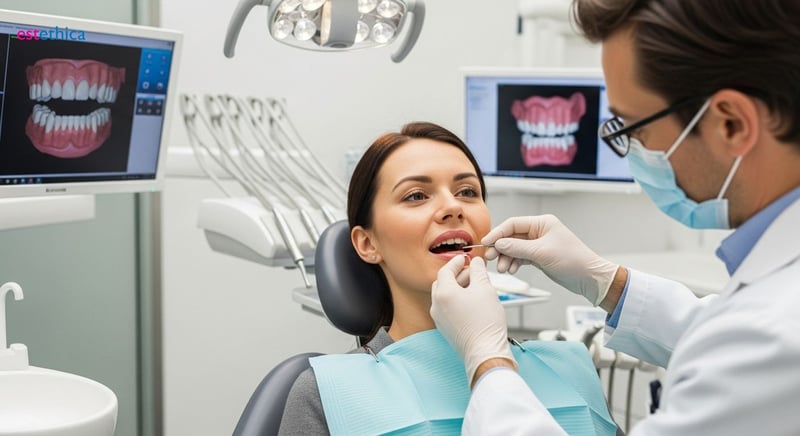
Who is a Good Candidate for Dental Implants? Key Considerations
Evaluating Health Factors for Dental Implant Candidacy
Determining candidacy for dental implants involves a comprehensive evaluation of a patient's oral and overall health. Several factors play a crucial role in determining the suitability and potential success of dental implants. These include adequate bone density in the jaw to support the implant, healthy gum tissue free from periodontal disease, and the patient's commitment to maintaining excellent oral hygiene. Systemic health conditions, such as diabetes and autoimmune disorders, can also impact the healing process and the long-term success of dental implants. A thorough assessment by an experienced implant dentist is essential to identify potential risk factors and develop a personalized treatment plan. Studies indicate that non-smokers have a significantly higher success rate with dental implants compared to smokers.
The evaluation process typically includes a clinical examination, X-rays, and possibly a CT scan to assess the bone structure and identify any anatomical limitations. Patients with insufficient bone volume may require bone grafting procedures to augment the bone before implant placement. Additionally, individuals with uncontrolled diabetes or other systemic conditions may need to optimize their health before undergoing implant surgery. Lifestyle choices, such as smoking and excessive alcohol consumption, can also compromise the healing process and the long-term stability of dental implants. For example, someone with well-managed diabetes and good oral hygiene can be a suitable candidate, while a heavy smoker with uncontrolled periodontal disease may face a higher risk of implant failure. Also, individuals with bruxism (teeth grinding) may require a night guard to protect the implants from excessive force. Furthermore, those with specific allergies to implant materials, such as titanium, may need to explore alternative options like Zirconia dental implants.
- Bone Density: Adequate bone volume and density are crucial for the stability and long-term success of dental implants.
- Gum Health: Healthy gum tissue is essential to prevent infection and ensure proper healing around the implant.
- Overall Health: Systemic conditions, such as diabetes and autoimmune disorders, can impact the healing process and implant success.
Addressing Contraindications and Preparing for Dental Implants
While dental implants offer a reliable solution for tooth replacement, certain contraindications may affect a patient's suitability for the procedure. Active periodontal disease, uncontrolled systemic conditions, and certain medications can increase the risk of implant failure. In some cases, preparatory measures can be taken to address these contraindications and improve the patient's candidacy. For example, periodontal treatment can help eliminate infection and improve gum health before implant placement. Similarly, managing systemic conditions, such as diabetes, can enhance the body's ability to heal and integrate the implant. It's important to note that the cost of dental implants with insurance can vary widely based on the patient's dental plan and coverage.
In addition to addressing contraindications, several preparatory measures can optimize the success of dental implants. These include thorough oral hygiene instruction, smoking cessation, and nutritional counseling. Patients may also benefit from pre-operative antibiotics or antimicrobial mouth rinses to reduce the risk of infection. In cases where bone grafting is required, the healing period can range from several months to a year, depending on the extent of the graft. During this time, patients may wear a temporary denture or bridge to maintain aesthetics and function. For example, someone undergoing full mouth reconstruction with All-on-4 dental implants may require a more extensive preparatory phase compared to someone receiving a single tooth implant. Also, individuals seeking dental implants near me should consult with a local implant specialist to discuss their options and candidacy. As another example, patients who are missing all their teeth in one or both jaws may opt for full arch dental implants.
- Periodontal Treatment: Addressing gum disease before implant placement is crucial for preventing infection and ensuring proper healing.
- Systemic Condition Management: Optimizing systemic health, such as controlling diabetes, can improve the body's ability to heal and integrate the implant.
- Bone Grafting: Augmenting deficient bone volume with bone grafting procedures can provide adequate support for the implant.
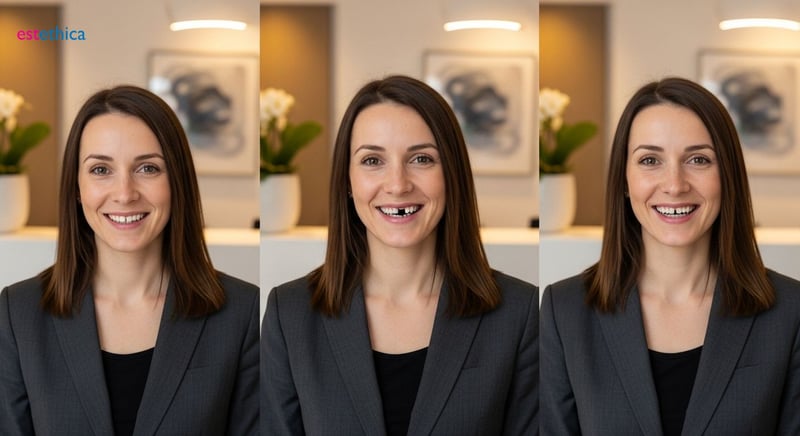
Beyond Bridges: Why Dental Implants are a Superior Solution
Longevity and Reliability of Dental Implants Compared to Bridges
Dental implants offer a distinct advantage over traditional dental bridges by providing a long-term solution that closely mimics the function and aesthetics of natural teeth. Unlike bridges, which rely on adjacent teeth for support, dental implants are anchored directly into the jawbone, providing superior stability and preventing bone loss. This standalone structure ensures that neighboring teeth remain unaffected, preserving their integrity and reducing the risk of future dental problems. Implants are designed to withstand the forces of chewing and biting, offering a reliable and durable option for restoring a complete smile. Clinical studies show that dental implants can last for decades with proper care, whereas bridges typically require replacement every 5-10 years.
The process of receiving dental implants involves a surgical procedure to place the implant into the jawbone, followed by a period of osseointegration, where the implant fuses with the bone. Once integrated, a custom-made crown is attached, providing a natural-looking and fully functional tooth. This comprehensive approach ensures that the implant becomes a seamless part of the mouth, offering long-term stability and preventing the shifting of adjacent teeth. For example, someone with a single missing tooth can benefit from a single implant without altering the structure of neighboring teeth. As another example, individuals seeking a more permanent solution for multiple missing teeth might consider All-on-4 dental implants. Additionally, people looking for immediate results may explore "Teeth in a Day" options, and those concerned about aesthetics could consider Zirconia dental implants.
- Independent Support: Dental implants do not rely on adjacent teeth for support, preserving their health and integrity.
- Prevention of Bone Loss: Implants stimulate the jawbone, preventing bone loss that can occur with missing teeth or traditional bridges.
- Long-Term Durability: With proper care, dental implants can last for decades, offering a reliable and cost-effective solution.
Considering the Investment: The Cost-Effectiveness of Dental Implants
When evaluating tooth replacement options, it's important to consider the long-term value and cost-effectiveness of dental implants. While the initial investment for dental implants may be higher compared to traditional dental bridges or dentures, the longevity and durability of implants often make them a more economical choice in the long run. Bridges and dentures typically require frequent replacements and adjustments, leading to additional expenses over time. Dental implants, on the other hand, are designed to last for many years with proper care, reducing the need for costly replacements. A recent analysis revealed that over a 20-year period, dental implants can be more cost-effective than bridges due to their lower maintenance requirements.
The investment in dental implants reflects the quality of materials, precision of the surgical procedure, and the expertise of the dental team. While financing options and insurance coverage can help offset the upfront cost, it's essential to consider the long-term benefits and improved quality of life that dental implants provide. Furthermore, advancements in technology, such as 3D printing and guided surgery, have enhanced the precision and predictability of implant placement. Consulting with a qualified implant dentist is crucial to determine the best course of treatment and understand the associated costs and financing options. For example, someone seeking affordable options might inquire about dental implant specials. Also, individuals seeking dental implants near me should consult with a local implant specialist to discuss their options. As another example, patients who are missing all their teeth in one or both jaws may opt for full arch dental implants.
- Initial Assessment: A comprehensive evaluation is conducted to determine the patient's suitability for dental implants and discuss treatment goals.
- Implant Placement: The dental implant is surgically placed into the jawbone, followed by a period of osseointegration.
- Long-Term Maintenance: Regular dental check-ups and proper oral hygiene are essential to ensure the longevity and success of dental implants.
3D-Guided Implant Placement Ensures Precision and Optimal Bone Integration
estethica employs advanced 3D imaging and computer-aided design for guided dental implant surgery, ensuring precise placement and minimizing trauma to surrounding tissues. This approach optimizes conditions for osseointegration, leading to stronger and more stable implants.
estethica's dental implant specialists possess extensive experience in implant dentistry, utilizing state-of-the-art technology to deliver exceptional results. The team stays abreast of the latest advancements in implant techniques and materials, ensuring patients receive the most effective and innovative treatments available.
Comprehensive Evaluation and Personalized Treatment Plans for Dental Implants
estethica prioritizes patient safety and health by conducting thorough evaluations to determine candidacy for dental implants. Treatment plans are personalized to address individual needs and health conditions, ensuring the best possible outcomes.
Patients at estethica benefit from a seamless experience, from initial consultation to post-operative care, ensuring comfort and satisfaction throughout the dental implant process. The hospital's commitment to excellence and patient-centered care results in restored confidence and improved quality of life.
Frequently Asked Questions
What are dental implants and how do they work?
Who is considered a good candidate for dental implants?
How do dental implants compare to dental bridges as a tooth replacement option?
What is osseointegration and why is it important for dental implants?
What are Zirconia dental implants and what are their benefits?
Ready to discover your healthiest, most beautiful self with estethica's award-winning care?
📞 Book Your Free Consultation!