


Learn about the dental implant recovery process, including healing timelines, aftercare tips, and how to support successful osseointegration for your implants.
The dental implant recovery process is the structured healing period required for the jawbone to integrate with a titanium post, ensuring long-term stability for prosthetic teeth. This essential phase in dental implantology involves biological bone remodeling and soft tissue healing, which are critical for achieving successful functional restoration. Understanding these stages helps patients manage expectations and support optimal healing outcomes.
Understanding the Dental Implant Recovery Process at Estethica Global
The journey toward a restored smile begins with the surgical placement of the implant, a procedure that initiates the body's natural healing response. At estethica Global, the focus remains on achieving primary stability, which is the initial mechanical fixation of the implant within the bone. This stability is a prerequisite for the subsequent biological phase known as osseointegration1.
Osseointegration is the direct structural and functional connection between living bone and the surface of a load-bearing artificial implant. During this period, osteoblastic activity at the bone-implant interface helps the formation of new bone tissue. This process transforms the initial mechanical hold into a biological bond, providing the secondary stability necessary for long-term success. Patients should understand that this is a gradual biological progression rather than an immediate event.
Factors Influencing Healing Success
The success of osseointegration depends on several factors, such as implant design, surface characteristics, surgical techniques, and host-related factors2. At estethica Global, clinicians prioritize these variables to ensure that the implant environment is optimized for bone regeneration. Adhering to post-operative care instructions is essential for minimizing complications and supporting the body's ability to fuse with the implant surface effectively.
Essential Dental Implant Aftercare Guide for Optimal Healing
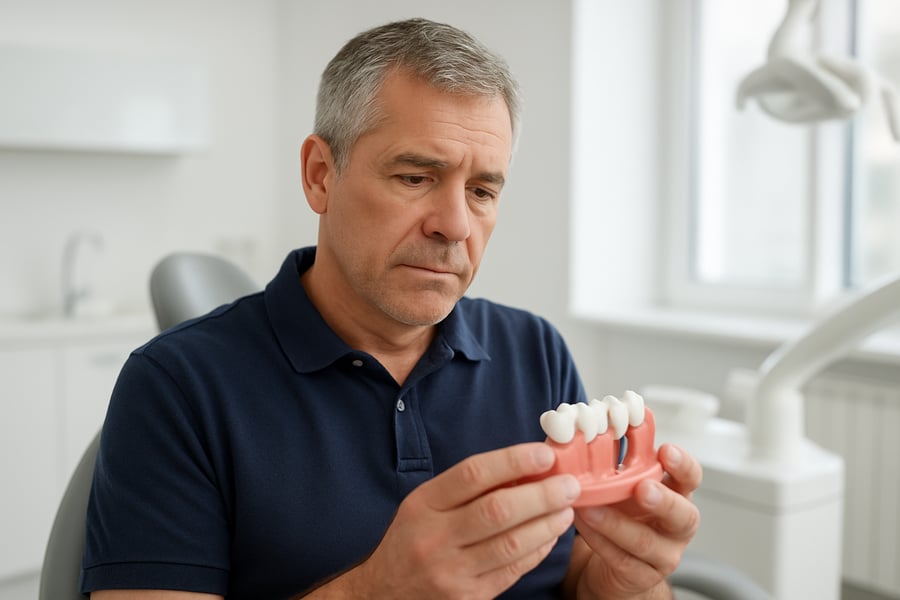
Post-operative care is a fundamental component of the dental implant recovery process. Following specific guidelines helps minimize complications and promotes a smooth transition through the healing phases. Proper management of the surgical site during the first few days is vital for the formation of a biological seal by the junctional epithelium.
Osseointegration is critical for implant stability and is considered a prerequisite for implant loading and long-term clinical success of endosseous dental implants1. Patients at estethica Global should prioritize oral hygiene by using a soft-bristled toothbrush and avoiding the surgical site until the initial soft tissue healing is confirmed. The success of this process depends on several factors, including surgical techniques and diligent adherence to post-operative protocols2.
Immediate Post-Operative Care
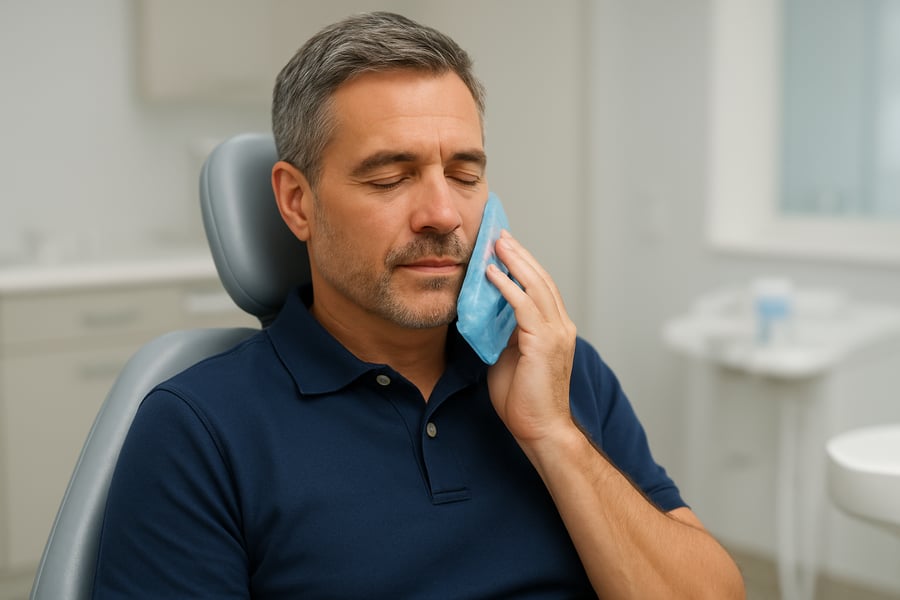
In the initial hours following surgery, rest is essential, and patients must avoid strenuous physical activity to prevent increased blood flow to the surgical area. Applying cold compresses to the external facial area helps manage inflammation effectively. Consuming soft, cool foods prevents mechanical pressure on the implant site and supports the stabilization of the bone-implant interface.
Maintaining a clean environment in the mouth is equally important, though patients must avoid vigorous rinsing or brushing directly over the healing area during the first day. Using a prescribed antiseptic mouthwash can help control bacterial levels without disrupting the clot formation necessary for recovery. Consistent follow-up appointments at estethica Global ensure that the healing progress is monitored against the expected clinical benchmarks.
Managing Post-Operative Swelling and Discomfort After Surgery
Mild swelling and localized discomfort are standard physiological responses as the body initiates the healing process following dental implant surgery. Proper osseointegration, which is essential for the long-term clinical success of endosseous implants, requires a stable environment free from excessive inflammation during the initial recovery phase1. Patients often notice that swelling peaks approximately 48 to 72 hours after the procedure before gradually diminishing as the surgical site begins to stabilize.
improving the head with extra pillows while resting reduces blood pressure in the facial tissues, helping to minimize fluid accumulation and post-operative edema. estethica Global recommends adhering strictly to the personalized medication regimen provided by your surgical team to effectively manage discomfort and support the body's natural repair mechanisms. These surgical techniques and post-operative care steps are fundamental to ensuring the implant surface integrates correctly with the surrounding bone structure2.
Professional Monitoring and Recovery
Monitoring the surgical site for signs of progress is vital, as persistent or rapidly worsening swelling may indicate a need for a clinical evaluation. estethica Global professionals emphasize that while minor discomfort is expected, any sudden increase in pain or swelling should be reported immediately to ensure the integrity of the implant placement. Maintaining a calm approach and following the recovery timeline provided by the clinical team help a smoother healing trajectory and better overall results for your dental implants.
Maintaining Oral Hygiene to Support Successful Osseointegration
Rigorous oral hygiene is essential for achieving successful osseointegration, as the stability of endosseous dental implants relies on a clean environment free from inflammatory bacteria1. estethica Global recommends that patients transition to gentle cleaning methods immediately following surgery to avoid disturbing the implant abutment while protecting the surrounding peri-implant mucosa from infection. Keeping the surgical site clear of plaque buildup prevents complications that could otherwise compromise the integration of the implant with the jawbone.
The success of osseointegration depends on specific host-related factors and the maintenance of a stable biological seal around the dental implant2. Using soft-bristled toothbrushes and non-alcoholic antimicrobial rinses allows patients to remove debris without causing mechanical irritation to healing soft tissues. estethica Global emphasizes that consistent monitoring during follow-up appointments is necessary to ensure the bone remodeling process proceeds without interference from localized inflammation.
Long-Term Hygiene Strategies
Maintaining the integrity of the abutment connection is a primary focus for long-term health, requiring careful brushing techniques to prevent peri-implantitis. Patients should work closely with the clinical team at estethica Global to develop a personalized cleaning routine that incorporates interdental brushes or water flossers once the initial healing phase concludes. Regular professional cleanings ensure that any plaque accumulation around the implant crown or bridge is addressed before it affects the underlying bone structure.
Long-Term Expectations and Success Rates for Your New Implants
High success rates for dental implants depend heavily on the biological process of osseointegration, where the implant fixture creates a direct structural and functional connection with the living bone1. estethica Global ensures that each procedure is tailored to the patient's specific bone density and oral anatomy, which directly impacts the durability of the restoration. Achieving long-term clinical success requires not only precise surgical techniques but also rigorous adherence to post-operative hygiene protocols to protect the peri-implant tissues.
Clinical outcomes are influenced by a variety of variables including the specific design of the implant, the surface characteristics of the titanium or zirconia, and the overall health profile of the patient2. Regular check-ups at estethica Global allow specialists to monitor the integration process and detect any early signs of peri-implantitis before they compromise the stability of the crown. Patients who maintain a consistent routine of professional cleanings and daily oral care typically experience the highest longevity with their prosthetic replacements.
Investment and Care Options
Selecting the right treatment plan is essential for ensuring both functional restoration and aesthetic satisfaction. estethica Global offers structured care packages designed to support patients throughout their recovery journey, providing clear expectations regarding clinical support and follow-up care.

Clinical Methods and Osseointegration Technology
Post-Operative Care and Recovery Management
Frequently Asked Questions
Who is not a suitable candidate for the dental implant recovery process?
What are the essential steps for oral hygiene after dental implants to ensure longevity?
According to expert opinions, how does the dental implant success rate compare to traditional dental bridges?
Are there specific dietary restrictions during the initial phase of the dental implant recovery process?
Is it true that dental implants feel exactly like natural teeth once fully integrated?

Planning Your Dental Implant Journey
Get a clear breakdown of each healing stage to ensure a smooth and successful restoration.
References
Superscript numbers in the content correspond to the references listed below.
- PMC - NIH — Osseointegration: An Update
- PMC - NIH — Optimizing Osseointegration in Dental Implantology: A Cross-Disciplinary Review of Current and Emerging Strategies