


Explore thorough insights into hair loss treatment for men, comparing surgical and non-surgical options to help you make informed decisions.
Hair loss treatment for men encompasses various approaches aimed at restoring hair density and appearance. These methods range from surgical procedures like hair transplants to non-surgical options such as medications and topical solutions. Understanding the differences, benefits, and limitations of each can help individuals make informed decisions match their needs and expectations.
Overview
Hair loss treatment for men addresses a common condition known as androgenic alopecia, which results from genetic predisposition and hormonal influences leading to hair follicle miniaturization. This process gradually reduces hair density and thickness, often beginning in the scalp’s frontal and crown areas. Effective treatments focus on halting or reversing these mechanisms to restore hair growth and improve scalp coverage1.
Surgical hair restoration, primarily through hair transplantation, involves extracting healthy hair follicles from donor sites and implanting them into balding regions. This method offers permanent, natural-looking results and can boost patient confidence, with studies showing improved perceptions of attractiveness and youthfulness post-procedure4. However, non-surgical treatments use FDA-approved medications such as minoxidil and finasteride, which reduce the hormone dihydrotestosterone (DHT) responsible for follicle shrinkage, promoting hair regrowth and retention. Low-level laser therapy and topical solutions complement these approaches by stimulating scalp circulation and follicular activity without invasive intervention1.
Combining surgical and non-surgical treatments often yields superior outcomes. For example, simultaneous use of finasteride and minoxidil has demonstrated statistically significant improvements in hair density compared to either treatment alone, with over 90% of patients achieving stable or enhanced hair growth over a year3. Treatment choice depends on the extent of hair loss, patient expectations, and medical suitability, highlighting the importance of individualized treatment plans.
Estethica Global offers a thorough range of hair loss solutions, including advanced surgical techniques and advanced non-invasive therapies such as stem cell therapy for hair loss and exosome therapy. These options provide tailored strategies to address varying degrees of hair thinning, ensuring men have access to effective and modern treatments that match their goals and lifestyles.
Who Is It For?
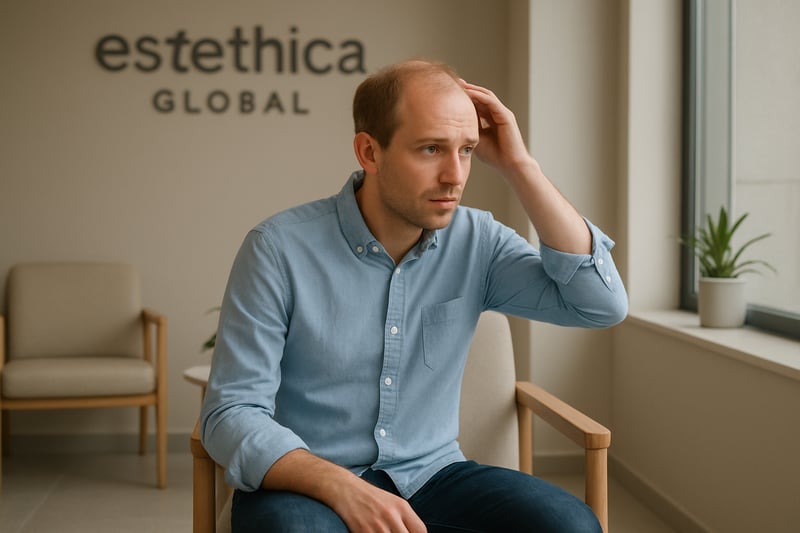
Non-surgical hair loss treatments are typically ideal for men experiencing early to moderate thinning or receding hairlines. These options suit individuals who prefer less invasive methods or wish to postpone surgical intervention. Medications such as minoxidil and finasteride are often recommended for men showing visible hair thinning, provided they have no medical contraindications. These treatments can stabilize hair loss and even promote regrowth, with studies showing improvements in hair density and thickness over time1.
Surgical hair restoration candidates usually present with stable hair loss patterns and adequate donor hair available for transplantation. Hair transplant procedures offer a permanent solution, delivering natural-looking results that are difficult to achieve with non-surgical options alone. Men with extensive baldness or those who have seen limited response from medications and topical therapies often find surgery more effective. estethica Global recommends thorough evaluation to determine if a patient’s hair loss has stabilized, which is important for successful surgical outcomes.
Age, hair loss severity, and donor hair quality are key factors influencing the choice between surgical and non-surgical treatments. Younger men with early-stage androgenetic alopecia may benefit more from medical therapies like finasteride or emerging options such as stem cell therapy for hair loss or exosome therapy, which promote follicle health without surgery. In contrast, older men or those with advanced balding patterns are typically better suited for hair transplant procedures to restore hairline and density effectively1.
Consultation with a qualified specialist at estethica Global is essential to tailor the treatment approach to individual needs and expectations. A customized plan considers medical history, lifestyle, and aesthetic goals to optimize results. This personalized assessment ensures that men receive the most appropriate hair loss treatment for men, whether through non-invasive therapies or permanent surgical solutions, maximizing satisfaction and long-term success.
How the Process Works
Surgical hair restoration primarily involves harvesting healthy hair follicles from a donor region, typically located at the back or sides of the scalp, where hair is more resistant to balding. The two main surgical techniques are Follicular Unit Extraction (FUE) and Follicular Unit Transplantation (FUT). FUE entails extracting individual follicular units with tiny punches, allowing for faster healing and minimal scarring, whereas FUT involves removing a strip of scalp tissue to dissect follicular units under a microscope, often resulting in a linear scar but enabling transplantation of a larger number of grafts in a single session.
Non-surgical hair loss treatments rely on consistent and long-term application to achieve visible improvement. Topical minoxidil works by stimulating hair follicles and increasing blood flow to the scalp, promoting hair growth over several months. Oral finasteride targets the hormonal root of male pattern baldness by inhibiting dihydrotestosterone (DHT) production, which is responsible for follicle miniaturization. Also, low-level laser therapy (LLLT) devices emit specific light wavelengths that enhance cellular activity within hair follicles, offering a painless, non-invasive option that can complement medication-based treatments1.
Effectiveness varies based on individual response, severity of hair loss, and adherence to treatment protocols. Surgical methods provide immediate follicle transplantation but require a recovery period during which patients must follow post-operative care to ensure graft survival and reduce complications. Non-surgical options demand patience and ongoing use, with improvements typically becoming noticeable after four to six months. Regular consultations with specialists at estethica Global allow for monitoring progress and adjusting treatment plans to optimize results and address emerging concerns.
Advanced therapies like stem cell and exosome treatments are emerging as adjuncts to traditional approaches, aiming to enhance follicle regeneration and scalp health. These advanced options can potentially improve outcomes when combined with established surgical or non-surgical methods. Patients interested in exploring such innovations should seek expert guidance at estethica Global to determine suitability based on their specific hair loss condition and goals.
Benefits and Limitations
Surgical hair loss treatments, such as hair transplants, offer durable and often permanent results by redistributing hair follicles to thinning or balding areas. These procedures can improve hair density and natural appearance, making them a preferred choice for men seeking a long-term solution. However, surgical options involve inherent risks including infection, scarring, and extended recovery periods. Careful evaluation at estethica Global ensures the procedure suits the patient’s hair type and scalp condition, optimizing outcomes and minimizing complications.
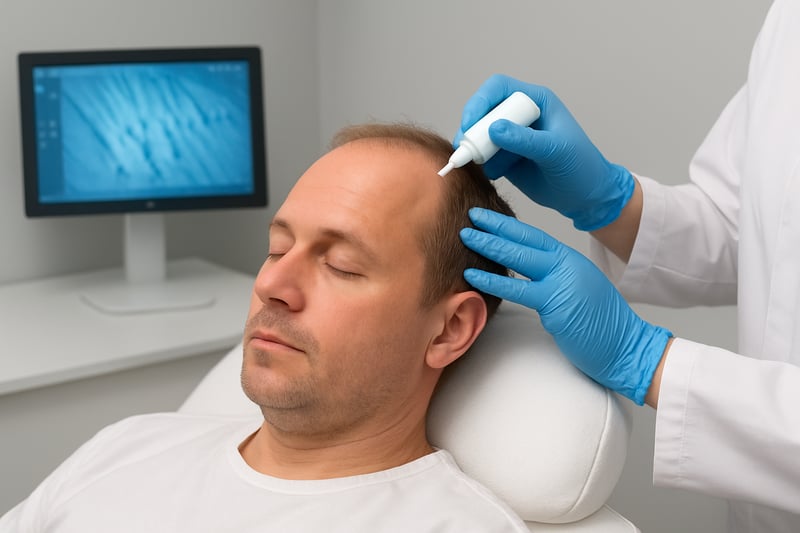
Non-surgical treatments, including exosome therapy and stem cell therapy for hair loss, provide less invasive alternatives with minimal downtime. These options generally have fewer risks and can be more accessible financially and procedurally. Nevertheless, they often require ongoing maintenance and may not completely stop hair loss progression in advanced cases. Medications like finasteride and minoxidil remain foundational non-surgical treatments, shown to stabilize or improve hair density in many men1,5. Combining surgical and non-surgical methods can enhance overall results by addressing hair loss from multiple angles.
Deciding between surgical and non-surgical hair loss treatment for men depends on various factors including age, severity of hair loss, and personal preferences. While surgical interventions like a moustache transplant or scalp follicle transplantation deliver immediate visible changes, therapies such as exosome therapy support cellular regeneration and scalp health over time. estethica Global professionals emphasize personalized treatment plans, considering individual suitability to maximize effectiveness and patient satisfaction.
Recovery and Next Steps
Post-surgical recovery for hair loss treatment in men generally involves a healing phase where the scalp may experience mild swelling, redness, and discomfort. Patients must adhere strictly to aftercare protocols, including gentle washing and avoiding strenuous activities, to promote proper graft integration and reduce the risk of infection or graft failure. Typically, normal daily activities can be resumed within a few days, but it takes several months before the full results of a hair transplant become evident as new hair growth gradually appears and thickens4.
Non-surgical hair loss treatments, such as exosome therapy or FDA-approved topical and oral medications like minoxidil and finasteride, require ongoing, consistent application to achieve noticeable improvements. Progress is gradual, often needing several months to assess the effectiveness fully. Regular follow-up consultations are essential to tailor treatment plans based on individual responses and to address factors such as scalp health, lifestyle, and nutrition, all of which play a significant role in maximizing treatment outcomes1,2.
Consulting with experienced specialists at estethica Global is important for men exploring hair restoration options. A thorough evaluation of hair loss severity, donor hair availability, and overall health enables the development of a personalized treatment strategy. Whether choosing surgical methods like hair transplantation or non-surgical approaches including stem cell therapy or exosome treatments, expert guidance ensures the chosen path match patient goals and medical suitability.
Maintaining a healthy lifestyle supports both surgical and non-surgical hair loss treatments. Nutritional support, stress management, and scalp hygiene contribute to sustaining hair health and preventing further loss. Patients are encouraged to follow their specialist’s recommendations closely, as combining medical treatments with positive lifestyle changes enhances the chances of long-term success and improved hair density.

Comparison of Surgical and Non-Surgical Hair Loss Treatments
Process Management and Follow-Up Care
Frequently Asked Questions
Who is not a suitable candidate for surgical hair loss treatment?
What preparations are recommended before undergoing non-surgical hair loss treatments?
How long is the recovery period after surgical hair transplant procedures?
Is it true that certain hair care products can worsen hair loss in men?
What are the key differences between surgical and non-surgical hair loss treatments for men?

Understand Your Best Hair Loss Treatment Options Today
Get expert insights to choose between surgical and non-surgical solutions confidently
References
Superscript numbers in the content correspond to the references listed below.
- PubMed — Management of androgenetic alopecia: a review
- PMC, NIH — Comparative Efficacy of Minoxidil and 5‐Alpha Reductase Inhibitors Monotherapy for Male Pattern Hair Loss: Network Meta‐Analysis Study of Current Empirical Evidence
- PMC, NIH — Effectiveness of Combined Oral Minoxidil and Finasteride in Male Androgenetic Alopecia: A Retrospective Service Evaluation
- PMC, NIH — Perception of Hair Transplant for Androgenetic Alopecia
- PMC, NIH — Recent Advances in Drug Development for Hair Loss