


Discover how collagen for skin elasticity supports firm, youthful skin. Learn about supplements, professional treatments, and natural ways to boost collagen.
Collagen for skin elasticity is a structural protein that provides the necessary framework for maintaining firm, resilient, and youthful-looking skin. As a primary component of the extracellular matrix, this protein supports dermal density and hydration, which are essential for preventing sagging and fine lines. Understanding how to support this biological process is key to effective dermatological nutrition and long-term skin health.
Understanding the Biological Role of Collagen in Skin Elasticity
Collagen functions as the primary structural protein within the dermis, creating a dense, organized network that provides essential tensile strength and structural support. This protein enables the skin to maintain its elasticity, allowing it to snap back into place after being stretched or distorted. Scientific research confirms that reduced collagen synthesis in chronologically aged skin stems from factors such as cellular fibroblast aging and decreased mechanical stimulation, which directly impacts the skin's ability to remain firm1.
The extracellular matrix relies on the continuous activity of dermal fibroblasts to synthesize new collagen fibers that replace those degraded by environmental stressors. Clinical studies have demonstrated that collagen peptides can actively stimulate the expression of COL1A1 and elastin genes within human dermal fibroblasts, supporting the natural repair processes that maintain skin volume2. estethica Global emphasizes that supporting this biological pathway is fundamental to preserving the skin's youthful texture and resistance to gravity.
Mechanisms of Dermal Support
Dermal integrity depends on a complex interaction between collagen fibers and glycosaminoglycans, which work together to retain moisture and structural volume. Daily oral administration of low-molecular-weight collagen peptides has been shown in randomized clinical trials to yield significant improvements in skin elasticity, hydration, and overall dermal density after eight weeks of consistent use3. By support an environment that promotes collagen production, individuals can counteract the oxidative stress and enzymatic degradation caused by matrix metalloproteinases (MMP) that naturally accelerate skin aging.
thorough reviews involving thousands of patients consistently associate targeted collagen supplementation with favorable outcomes for long-term dermal health4. Protecting the skin from extrinsic damage, such as UV radiation, remains a vital component of any aesthetic strategy, as these factors trigger the fragmentation of the collagen network. At estethica Global, the focus remains on balancing clinical interventions with biological support to ensure the skin retains its structural firmness over time.

Top-Rated Collagen Supplements for Enhancing Skin Firmness
Oral supplementation is a primary strategy for supporting dermal integrity from within by delivering essential amino acids directly to the skin's structural matrix. Research indicates that consistent daily intake of 1,650 mg of low-molecular-weight collagen peptides yields measurable improvements in skin elasticity, dermal density, and overall hydration levels3. An extensive umbrella review of 113 randomized controlled trials supports these findings, confirming that targeted supplementation provides reliable structural benefits for aging skin4.
Fibroblasts are responsible for the natural production of Type I procollagen, but this activity declines as individuals age1. By incorporating hydrolyzed peptides into a daily regimen, users can actively stimulate the expression of genes such as COL1A1 and ELN, which are important for maintaining a firm, youthful appearance2. estethica Global emphasizes that integrating these high-quality nutrients helps counteract the natural reduction in mechanical stimulation and cellular efficiency that occurs over time.
Supplement Investment and Value
Selecting an effective collagen regimen requires balancing quality, bioavailability, and long-term consistency. estethica Global provides specialized options designed to support patients throughout their aesthetic journey, whether they are undergoing surgical procedures or seeking non-invasive skin rejuvenation.
Professional Estethica Global Collagen Treatments for Rejuvenation
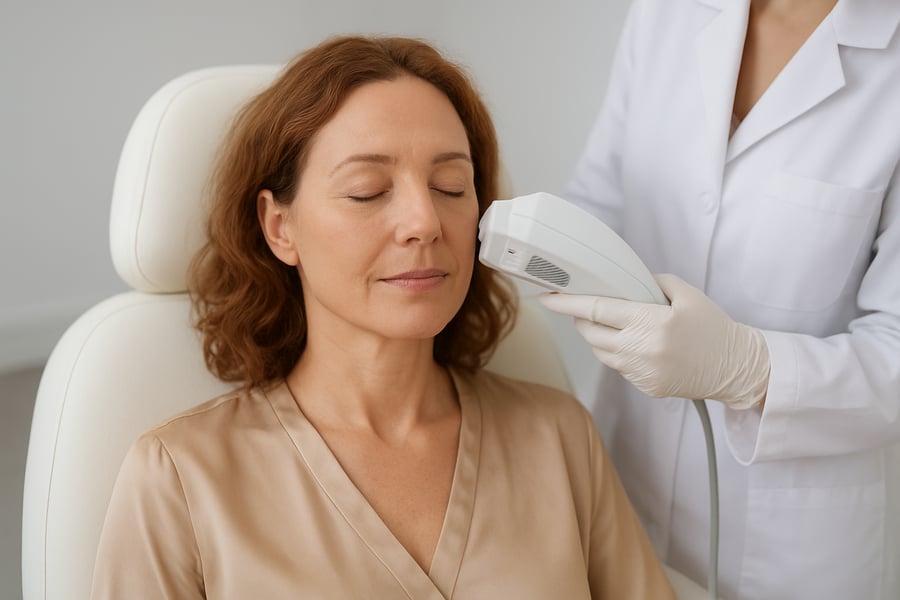
Professional aesthetic interventions at estethica Global offer targeted solutions for individuals seeking to enhance skin firmness beyond the limitations of topical applications. These advanced services focus on revitalizing the dermis by activating the body's natural repair mechanisms, which are often hindered by the cellular fibroblast aging process1. By using modern technological devices, these procedures target specific structural layers of the skin to encourage the production of new collagen fibers, effectively restoring volume and improving overall texture.
Controlled healing responses triggered during these sessions are highly effective for addressing sagging skin and diminished elasticity. estethica Global professional skin rejuvenation services are tailored to the unique requirements of each guest, ensuring that fibroblast stimulation therapy is administered safely and precisely. This approach is particularly beneficial for those aiming to reduce visible signs of aging through minimally invasive means, helping to improve skin resilience and promote long-term dermal health.
Expectations and Clinical Outcomes
Visible improvements in skin quality typically manifest gradually as the body synthesizes new collagen over several weeks of recovery. Professionals at estethica Global often recommend a structured series of sessions to achieve optimal results, as the skin requires consistent mechanical stimulation to undergo significant structural changes1. Most guests report a refreshed appearance and enhanced skin density following these professional treatments, reflecting the efficacy of combining expert clinical oversight with advanced aesthetic technology.
Synergistic Effects of Hyaluronic Acid and Collagen for Anti-Aging
Collagen provides the essential structural scaffolding for the dermis, while hyaluronic acid functions as a vital humectant that maintains skin hydration levels. Clinical evidence indicates that daily supplementation with collagen peptides enhances skin elasticity and dermal density, creating a healthier environment for cellular function3. By combining these two substances, estethica Global helps patients improve their skin's resilience against the natural aging process.
Fibroblast activity is closely linked to the hydration of the extracellular matrix, where hyaluronic acid matters in supporting collagen production. Research confirms that collagen peptides actively increase the expression of genes responsible for structural proteins like elastin and collagen type 1 in human dermal fibroblasts2. This collaborative mechanism ensures that the skin remains plump and firm, effectively addressing common concerns such as loss of volume and texture degradation.
Optimizing Skin Rejuvenation Strategies
Professional aesthetic treatments at estethica Global often integrate structural support with deep moisture retention to provide thorough rejuvenation results. Studies consistently associate this dual approach with favorable outcomes for long-term dermal health, as it reduce the decline of natural structural proteins and hydration over time4. Maintaining this balance allows individuals to preserve their skin's youthful firmness and elasticity through a well-rounded care regimen.
Advanced Aesthetic Procedures to Stimulate Natural Fibroblast Production
Advanced aesthetic procedures at estethica Global focus on activating the skin's innate regenerative mechanisms to counteract the natural decline in collagen synthesis associated with aging. Research indicates that dermal fibroblasts from older individuals summarizes reduced procollagen production compared to younger counterparts, highlighting the necessity for external mechanical or energy-based stimulation to restore dermal density1. By precisely targeting the dermis, these treatments initiate a controlled repair process that upregulates collagen gene expression and reorganizes the extracellular matrix.
Techniques such as fractional laser therapy and medical-grade fibroblast treatment use micro-injuries or thermal energy to trigger the body's healing cascade. This controlled inflammatory response effectively signals the activation of TGF-beta pathways, which are essential for the production of new, healthy collagen fibers. Patients seeking to address concerns like loose skin after weight loss or the appearance of fine lines often find these professional interventions more effective than topical solutions alone.
Long-Term Dermal Rejuvenation
Consistent stimulation of fibroblast activity provides a sustainable foundation for resilient, firmer skin that maintains its structure over time. Clinical data confirms that interventions supporting the dermal matrix lead to measurable improvements in skin elasticity and hydration, providing a scientific basis for the long-term efficacy of these aesthetic protocols4. At estethica Global, personalized treatment plans ensure that the intensity of fibroblast stimulation is calibrated to the individual’s skin type, promoting a natural and refreshed appearance without the need for invasive surgery.

Biological Mechanisms and Dermal Support Systems
Eligibility Assessment and Procedural Planning
Frequently Asked Questions
Are there specific dietary prerequisites to prepare the body for collagen for skin elasticity treatments?
What is the primary difference between topical collagen applications and professional collagen for skin elasticity procedures?
Who is not a suitable candidate for professional collagen stimulation therapies?
Is it true that collagen supplements can replace the need for professional skin treatments?

use the to Firmer, More Resilient Skin
Understand how collagen works and discover professional ways to support your skin's natural elasticity.
References
Superscript numbers in the content correspond to the references listed below.
- PMC (PubMed Central) / NIH — Decreased Collagen Production in Chronologically Aged Skin - PMC
- PMC (PubMed Central) / NIH / Frontiers — Collagen peptides affect collagen synthesis and the expression of collagen, elastin, and versican genes in cultured human dermal fibroblasts - PMC - NIH
- PubMed / Journal of Microbiology and Biotechnology — Skin Anti-Aging and Moisturizing Effects of Low-Molecular-Weight Collagen Peptide Supplementation in Healthy Adults: A Randomized, Double-Blind, Placebo-Controlled Clinical Trial - PubMed
- PubMed / Aesthetic Surgery Journal Open Forum / Oxford Academic — Collagen Supplementation for Skin and Musculoskeletal Health: An Umbrella Review of Meta-Analyses on Elasticity, Hydration, and Structural Outcomes - PubMed