


Discover the benefits of a chemical peel for face. Learn about the science, treatment process, and essential aftercare for optimal skin rejuvenation results.
A chemical peel for face is a cosmetic dermatology procedure that uses a chemical solution to exfoliate the skin, promoting cell turnover and revealing a smoother, more rejuvenated complexion. This process involves controlled injury to the skin, which triggers a natural healing response and stimulates collagen production. Understanding the different depths and types of peels is essential for achieving optimal results while maintaining skin health.
Understanding the Science Behind Professional Chemical Peels
Professional chemical peel treatments operate on the principle of chemoexfoliation, a procedure where acidic solutions induce controlled epidermal damage to trigger skin regeneration2. By deliberately breaking down the intercellular bonds between dead skin cells, the treatment help a more efficient shedding process than natural turnover. Specialists at estethica Global use this method to accelerate the removal of damaged surface layers, revealing the smoother, healthier skin underneath.
Controlled injury acts as a biological driver, stimulating the body to produce new epidermal cells and increasing collagen synthesis within the dermis1. This structural remodeling process is essential for patients seeking to address visible concerns like photoaging, uneven skin tone, and surface-level imperfections. Through a structured application process, estethica Global ensures that the skin undergoes a precise renewal cycle that promotes long-term dermal health.
Mechanisms of Skin Resurfacing
Peel depth dictates the extent of the skin's biological response, ranging from superficial epidermal treatment to deeper remodeling of the papillary or reticular dermis. Practitioners frequently employ Alpha hydroxy acids (AHA) and Beta hydroxy acids (BHA) for texture refinement, while Trichloroacetic acid (TCA) is a primary agent for deeper protein denaturation and dermal restructuring1. These scientifically backed protocols allow estethica Global to provide customized resurfacing solutions tailored to individual skin requirements and aesthetic goals.
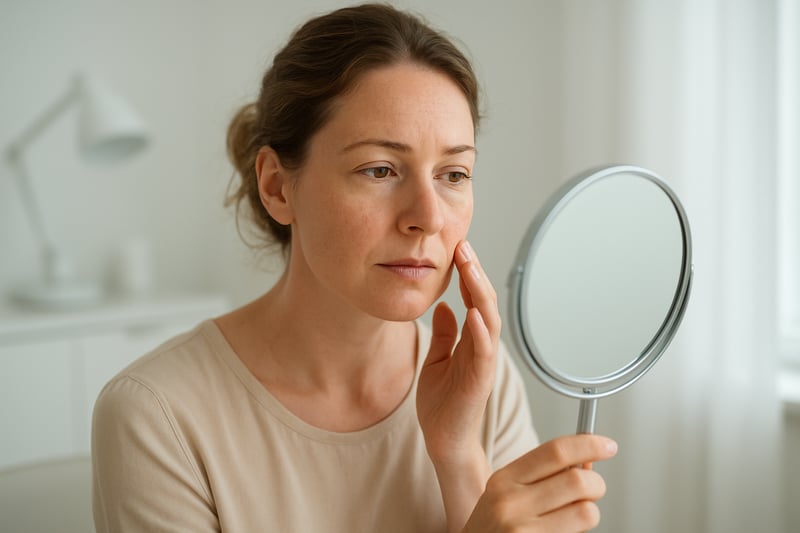
Key Benefits of Facial Rejuvenation Through Chemical Exfoliation
Chemical peels help controlled epidermal damage to trigger the body’s natural healing response, which leads to the growth of healthier skin layers2. By inducing this precise injury, estethica Global practitioners help patients replace dull, damaged cells with fresh tissue that possesses a more uniform melanin distribution and improved surface texture1. This professional approach to exfoliation addresses common concerns such as uneven skin tone, superficial scarring, and age-related dullness.
Dermal remodeling remains a primary goal of these treatments, as the process encourages the production of new collagen within the skin structure1. Patients visiting estethica Global often notice a visible reduction in fine lines and a firmer, more resilient complexion after a series of sessions. The flexibility of chemical peeling allows for customized depths, ensuring that the intensity of the treatment match the specific dermal needs of each individual.
Pros and Cons of Chemical Peels
| Advantages (Pros) | Disadvantages (Cons) |
|---|---|
| Enhanced skin texture and clarity through effective exfoliation. | Temporary redness or peeling occurs during the recovery phase. |
| Stimulation of natural collagen production for long-term firmness. | Increased sun sensitivity requires strict daily SPF protection. |
| Effective reduction of hyperpigmentation and sun-damaged spots. | Multiple sessions may be necessary to achieve optimal, lasting results. |
| Customizable treatment intensity tailored to individual skin profiles. | Not suitable for individuals with certain active skin infections or conditions. |
Consultations at estethica Global provide the necessary professional assessment to determine if chemical exfoliation is the right path for your skin goals. Experts evaluate the depth of damage and the patient's skin type to select the most effective solution for achieving a rejuvenated, lively appearance. Consistent care following the procedure helps maintain the improvements gained through the exfoliation process.
What to Expect During Your Estethica Global Treatment Session
Your journey at estethica Global begins with a thorough skin assessment conducted by a qualified specialist to determine the most effective peel formulation for your unique profile. This professional evaluation ensures that the chemical solution, designed to create a controlled injury for stimulating new skin growth, is precisely calibrated to your skin type1. By focusing on your specific aesthetic goals, the team at estethica Global provides a tailored approach that prioritizes both safety and visible results.
The application phase involves the careful administration of a chemical substance that triggers controlled epidermal damage to jumpstart the natural regeneration and remodeling process2. During this time, you may perceive a mild tingling or warming sensation as the solution works to improve your skin's surface texture and melanin distribution. The specialist maintains constant oversight throughout the procedure to ensure the treatment reaches the necessary depth without inducing excessive irritation.
Post-Treatment Care and Recovery
Once the chemical solution is neutralized, a soothing post-treatment product is applied to calm the skin and support its initial healing phase. The estethica Global team provides detailed aftercare instructions to help you manage home recovery effectively, ensuring that your skin experiences optimal renewal. Following these professional guidelines is essential for achieving the best possible outcome from your chemical peel session.
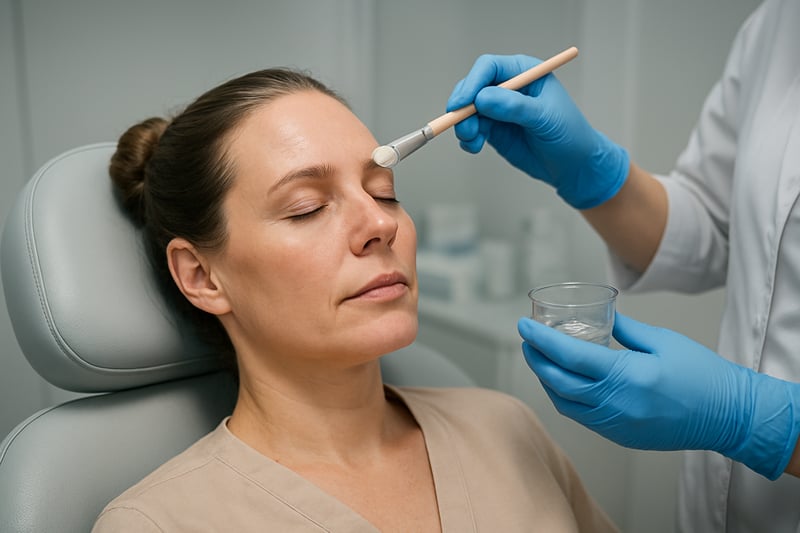
Essential Aftercare Tips for Optimal Skin Resurfacing Results
Chemical peels help skin renewal by inducing a controlled injury to the epidermis and dermis, which triggers a natural healing response and stimulates collagen production1. Immediately following your procedure at estethica Global, the skin enters a vulnerable state where protection from environmental stressors becomes the primary objective. Avoiding direct sunlight is mandatory, as the newly revealed skin is hypersensitive to ultraviolet radiation, which can lead to unwanted hyperpigmentation if left unprotected.
Daily application of a high-factor, broad-spectrum sunscreen is the most effective way to protect your results during the recovery phase. This controlled exfoliation process2 requires a delicate balance of hydration and patience, as the skin works to remodel its surface texture. Consistent use of gentle, non-comedogenic cleansers helps maintain the integrity of the skin barrier while the regeneration process is underway.
Managing the Healing Process
Natural shedding is a normal part of the skin’s recovery cycle, and you must avoid the urge to pick or pull at flaking areas to prevent potential scarring or uneven texture. If you notice persistent discomfort or have questions about your skin's reaction, the team at estethica Global provides professional guidance to ensure your recovery stays on track. Proper adherence to these aftercare protocols ensures that the improvements in your skin's appearance are lasting and complications remain minimal.
Determining if a Chemical Peel Is Right for Your Skin Type
Chemical peels improve skin texture and appearance by inducing a controlled injury at a specific depth, which triggers the body’s natural regenerative mechanisms1. This process stimulates new epidermal growth and encourages collagen production, leading to a more evenly distributed melanin profile2. Candidates must first ensure their skin barrier is intact, as active conditions like severe eczema, rosacea, or open lesions can interfere with the healing process and increase the risk of complications.
Professional guidance at estethica Global helps patients navigate the various strengths of peeling agents, from superficial formulations to deeper treatments that affect the dermis2. A thorough skin assessment allows specialists to identify potential contraindications, such as a history of keloid scarring or recurring cold sores, which might necessitate a modified treatment plan. Starting with a mild peel is often the safest strategy for those new to dermatological exfoliation, as it allows the skin to adapt to the chemical agents while minimizing the likelihood of an adverse reaction.
Customization and Safety Protocols
Personalized treatment planning at estethica Global ensures that each peel is calibrated to the patient's specific sensitivity levels and aesthetic goals. By carefully controlling the depth of the chemical exfoliation, practitioners can effectively target signs of aging or uneven pigmentation without compromising the integrity of the skin. This structured approach to skincare provides a predictable pathway for achieving a rejuvenated complexion while maintaining optimal safety standards throughout the recovery period.

Technical Methods and Skin Assessment
Patient Evaluation, Safety, and Expectations
Frequently Asked Questions
Who is not a suitable candidate for a professional chemical peel treatment?
What steps should be taken to prepare for a beginner guide to chemical peel facial treatment?
How long is the typical recovery period for an anti-aging skin peel?
Is it true that a facial rejuvenation chemical peel will thin the skin permanently?
What is the primary difference between a professional chemical peel treatment and at-home exfoliating kits?

Ready to Reveal Your Best Skin?
Discover which chemical peel is right for your unique skin type with guidance from our board-certified dermatologists.
References
Superscript numbers in the content correspond to the references listed below.
- PubMed Central (PMC) / Journal of Clinical and Aesthetic Dermatology — Evidence and Considerations in the Application of Chemical Peels in Skin Disorders and Aesthetic Resurfacing
- StatPearls / National Center for Biotechnology Information (NCBI) — Chemical Peels for Skin Resurfacing