


Discover how a chemical peel for acne scars can improve skin texture. Learn about professional resurfacing options and recovery at Estethica Global today.
A chemical peel for acne scars is a dermatological procedure that uses a chemical solution to exfoliate the skin, promoting the growth of smoother, regenerated tissue. This method effectively addresses surface irregularities and textural concerns by inducing controlled injury to the epidermis and dermis. Understanding the nuances of this treatment helps individuals make informed decisions regarding their skin health.
Understanding How Chemical Peels Target Acne Scarring
Chemical resurfacing, often referred to as chemoexfoliation, functions by applying a specialized solution to the skin surface to trigger keratolysis, the controlled shedding of dead skin cells. By removing these outer layers, the procedure encourages the body to initiate a natural wound-healing response that is essential for dermal remodeling, where the skin produces new collagen to replace damaged tissue 1. estethica Global use these professional-grade protocols to ensure that the depth of the treatment is precisely calibrated to the severity of the patient's scarring.
The depth of the peel determines the extent of the skin's reaction, with superficial treatments primarily affecting the epidermis and medium-depth peels reaching the upper dermis. This controlled injury serves as the primary mechanism for improving skin texture, as the healing process naturally reduces the depth of atrophic scars for a more uniform appearance 4. Clinical observations indicate that while various agents are effective, specific substances like 30% trichloroacetic acid (TCA) can provide superior improvements in scarring grades compared to milder glycolic acid alternatives 3.
Clinical Efficacy and Treatment Frequency
Consistent application of high-concentration chemical agents is often necessary to achieve visible improvements in long-standing atrophic acne scars. Studies have demonstrated that a 70% glycolic acid peel performed in bi-weekly sessions yields better results than the daily application of lower-concentration creams 2. Patients visiting estethica Global for scar revision are evaluated to determine the appropriate interval and concentration required to maximize collagen synthesis while minimizing downtime.
Why Estethica Global Is a Leader in Professional Skin Resurfacing
estethica Global maintains a reputation for excellence by integrating modern scientific advancements with rigorous safety protocols for every chemical peel for acne scars. Medical professionals at the facility prioritize patient health through a thorough assessment process, ensuring that each treatment is tailored to the individual's specific skin type and condition. By focusing on accurate diagnosis, the medical team minimizes potential risks while maximizing therapeutic outcomes for patients seeking skin rejuvenation.
Medium chemical peels at estethica Global are use to effectively remove skin cells from the epidermis and portions of the upper dermis, addressing concerns like acne scars and uneven skin tone4. Clinical research indicates that higher concentrations of trichloroacetic acid (TCA) can provide significant improvements in grading systems for acne scarring compared to other standard peels3. Because these procedures often require repetition to maintain desired results, the specialists provide a structured plan that supports long-term skin health4.
Commitment to Excellence
Transparency and patient education remain at the core of the experience provided by estethica Global. Specialists guide guests through every phase of the treatment, from the initial consultation to the final recovery stages, ensuring patients receive consistent support throughout their journey. This dedication to evidence-based practice and ethical values makes the clinic a preferred destination for those seeking reliable and professional dermatological care.
Comparing Chemical Peels Against Laser Treatments for Deep Scars
Chemical peels and laser therapies serve as foundational treatments for acne scarring, though they function through distinct biological pathways. Chemical peels use controlled chemical exfoliation to remove damaged epidermal layers, which triggers cellular turnover and collagen production. Research shows that 30% trichloroacetic acid (TCA) peels often summarizes superior efficacy in reducing scar depth compared to 70% glycolic acid peels, with TCA showing a more significant decline in quantitative acne scarring scores 3.
Laser treatments provide a more targeted approach, using concentrated light energy to induce deep dermal remodeling for pitted or atrophic scars. While chemical peels are often sufficient for surface-level texture concerns, laser therapy allows for precision depth control that is particularly beneficial for complex, deep-seated scarring. Patients at estethica Global often find that the choice between these modalities relies on the specific morphological type of the scar, whether it is ice-pick, boxcar, or rolling.
Determining the appropriate intervention requires a professional assessment to weigh recovery time against the desired aesthetic outcome. While medium-depth chemical peels remove cells from the epidermis and upper dermis to improve tone and texture, they may require multiple sessions to achieve lasting results 4. Laser treatments may offer faster improvements for deep scarring, though they generally involve a more variable recovery period depending on the intensity of the light energy used.
Treatment Comparison Matrix
Navigating the Recovery Process After Your Chemical Peel
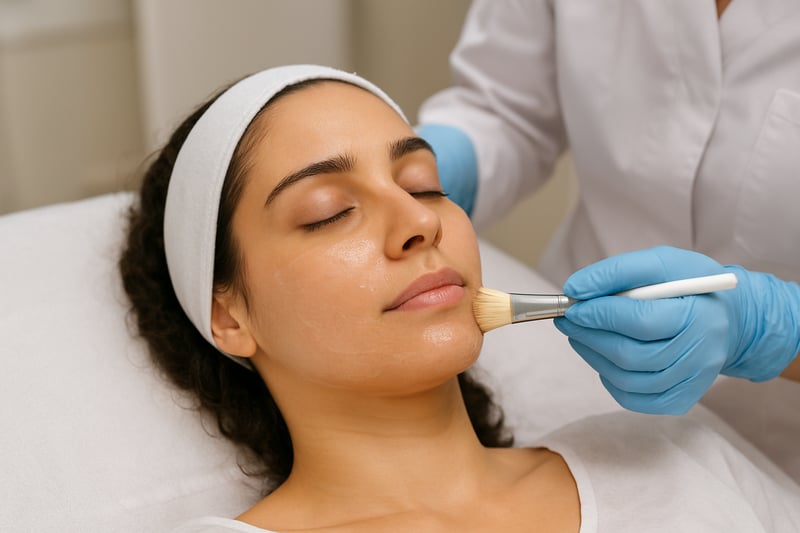
The recovery phase is a critical component of the estethica Global chemical peel recovery process. Immediately following the procedure, the skin may appear red or feel sensitive, similar to a mild sunburn, as the epidermis and portions of the upper dermis undergo the necessary exfoliation to treat acne scars and uneven skin tone4. This is a normal part of the epidermolysis process, where the treated skin begins to peel away to reveal fresh, rejuvenated layers underneath.
Patients are advised to follow specific aftercare instructions provided by estethica Global to protect the healing skin. This includes avoiding direct sun exposure and using recommended moisturizers to maintain hydration, which is essential for achieving the best results from a chemical peel for acne scars. Clinical studies indicate that while various peels like 70% glycolic acid are effective, individual response times can vary, and consistent adherence to the post-procedure protocol remains the most reliable way to ensure optimal healing2.
Managing Post-Treatment Comfort
Most individuals notice significant improvements in skin texture within a few weeks as the healing progresses and the skin regenerates. It is common for patients to experience mild discomfort or tightness, which typically subsides within a few days as the skin barrier stabilizes. Choosing a professional facility like estethica Global ensures that you have access to expert guidance throughout your recovery, helping you manage these temporary sensations while maximizing the long-term benefits of your treatment.
Selecting the Best Chemical Peel Formulation for Your Skin Type
Alpha hydroxy acids (AHA), such as glycolic acid, function primarily as superficial resurfacing agents that promote gentle exfoliation and improved skin texture. Clinical evidence indicates that 70% glycolic acid peels, when administered every two weeks, provide significant improvements in atrophic acne scarring compared to lower-concentration home treatments2. These peels are often favored for patients seeking to brighten their complexion while addressing mild textural irregularities.
Trichloroacetic acid (TCA) is a more strong alternative for patients requiring deeper penetration to address pronounced atrophic scars. Research summarizes that 30% TCA peels frequently yield superior quantitative reductions in scar grading scores compared to 70% glycolic acid formulations3. Because these medium-depth peels reach the upper dermis, they effectively target the structural damage associated with deep acne pits and uneven skin tone4.
Tailored Treatment Plans
Professional assessment at estethica Global ensures that the chosen acid concentration match a patient's specific skin sensitivity and scar morphology. Specialists evaluate factors such as previous treatment history and the specific depth of the lesions to customize the intensity of the chemical application. This personalized approach minimizes the risk of adverse reactions while maximizing the aesthetic improvement of the skin surface.

Chemical Peel for Skin Rejuvenation: Key Benefits and Mechanisms
Chemical peel for skin rejuvenation is a transformative procedure that extends beyond acne scar treatment, offering broad improvements in skin texture and appearance. By carefully applying a chemical solution, this technique stimulates the skin’s natural regenerative processes, leading to a refreshed and more youthful complexion.
The primary benefit of a chemical peel for skin rejuvenation lies in its ability to exfoliate dead and damaged skin cells effectively. This controlled exfoliation encourages the shedding of the superficial epidermal layers, which often contain accumulated environmental pollutants, aging signs, and irregular pigmentation. As these old cells are removed, new cells emerge, resulting in smoother and revitalized skin.
Moreover, chemical peels facilitate collagen production within the dermis, the skin’s supportive layer. Collagen is essential for maintaining skin elasticity and firmness. The induced mild injury from the peel triggers fibroblast activity, which synthesizes new collagen fibers, thereby improving skin resilience and reducing fine lines and wrinkles.
Another notable advantage is the enhancement of skin tone and clarity. Chemical peels can diminish uneven pigmentation, sun spots, and mild discolorations by accelerating skin cell turnover and dispersing melanin accumulation. This leads to a brighter, more uniform complexion.
- Improvement in skin texture by smoothing rough patches and reducing pore size
- Reduction of visible signs of aging, such as fine lines and wrinkles
- Enhanced skin radiance and tone uniformity
- Promotion of collagen synthesis for long-term skin health
- Support in managing mild hyperpigmentation and sun damage
It is important to recognize that the depth and type of chemical peel selected play a crucial role in the extent of skin rejuvenation achieved. Superficial peels typically target the outermost layer, offering subtle improvements with minimal downtime, while medium to deep peels penetrate further, providing more significant rejuvenation but requiring extended recovery periods.
Overall, a chemical peel for skin rejuvenation offers an effective, scientifically grounded approach to revitalizing the skin by leveraging controlled chemical exfoliation and stimulation of the skin’s reparative functions. This method can be an integral part of a comprehensive dermatological strategy to maintain healthy and youthful skin over time.
Chemical Peel Techniques and Dermatological Methodology
Procedural Safety, Aftercare, and Realistic Expectations
Frequently Asked Questions
Who is not a suitable candidate for a professional chemical peel for acne scars?
What steps should be taken to ensure proper preparation before a chemical peel for acne scarring?
How long is the typical estethica global chemical peel recovery process for most patients?
Is it true that chemical peels are the only effective option for treating deep acne scars?
What are the primary safety concerns or risks associated with dermatological acne scar removal?

Is a Chemical Peel Right for Your Skin?
Speak with a professional to understand which peel is best suited for your unique skin texture and acne scars.
References
Superscript numbers in the content correspond to the references listed below.
- PMC (PubMed Central) / National Institutes of Health (NIH) — A Comparison of Microneedling versus Glycolic Acid Chemical Peel for the Treatment of Acne Scarring
- PMC (PubMed Central) / National Institutes of Health (NIH) — Glycolic acid peel therapy – a current review
- PMC (PubMed Central) / National Institutes of Health (NIH) — A comparative study of 70% glycolic acid and 30% trichloroacetic acid peel in the treatment of facial atrophic acne scars: A split-face study
- Mayo Clinic — Chemical peel