

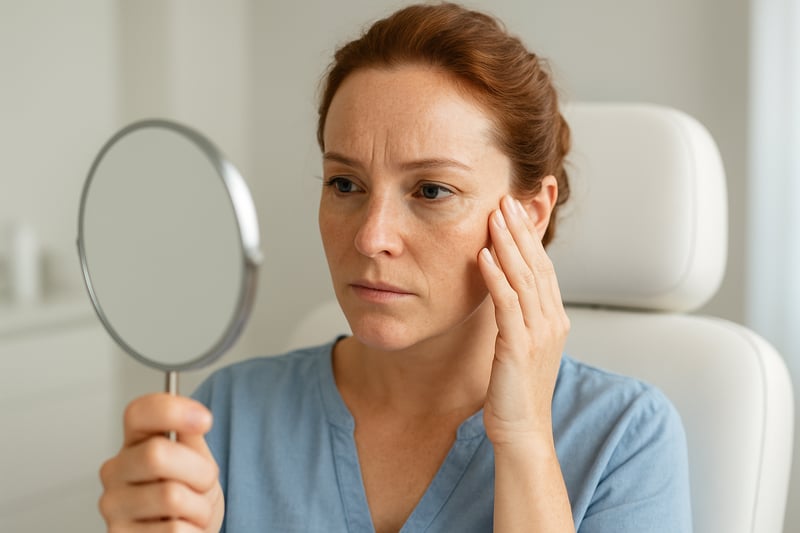
Discover the key chemical peel benefits for radiant skin. Learn about professional treatments, aftercare, and how to achieve a youthful complexion today.
Chemical peel benefits include the improvement of skin texture, reduction of fine lines, and the evening of skin tone through controlled exfoliation. This dermatological procedure use chemical solutions to remove damaged outer layers, stimulating the skin's natural healing response and collagen remodeling. Understanding these outcomes helps individuals make informed decisions regarding their aesthetic care.
Understanding the Core Benefits of Professional Chemical Peels
Professional chemical peels function by inducing a controlled injury to the epidermis, which triggers a biological wound-healing response to regenerate healthier skin tissue. estethica Global use these treatments to effectively manage conditions such as acne vulgaris, melasma, and photodamage1. By accelerating natural epidermal turnover, patients reveal a smoother, more lively complexion that feels rejuvenated.
Clinical studies involving glycolic acid peels summarizes measurable improvements in mild photoaging, including a significant reduction in rough texture and fine wrinkling2. Beyond surface-level changes, the procedure addresses deeper pigmentation concerns and solar keratoses, providing a thorough approach to skin health. Each session at estethica Global is tailored to match the specific needs of the patient, ensuring that the depth of the peel match individual skin characteristics.
Advantages and Considerations
Achieving optimal results requires balancing the significant effects of the treatment with the necessary recovery period. While most individuals notice immediate improvements in skin clarity, consistent results often depend on completing a full series of sessions as recommended by your specialist. The following table outlines the primary considerations for those looking to undergo this aesthetic procedure.
| Advantages (Pros) | Disadvantages (Cons) |
|---|---|
| Significant reduction in fine lines and surface wrinkles. | Downtime may be required depending on peel intensity. |
| Improves skin tone by fading hyperpigmentation and melasma. | Increased temporary sensitivity to ultraviolet sunlight. |
| Refines skin texture by exfoliating dead cells. | Multiple sessions are often needed for lasting results. |
| Stimulates collagen production for firmer skin. | Risk of irritation if post-care instructions are ignored. |
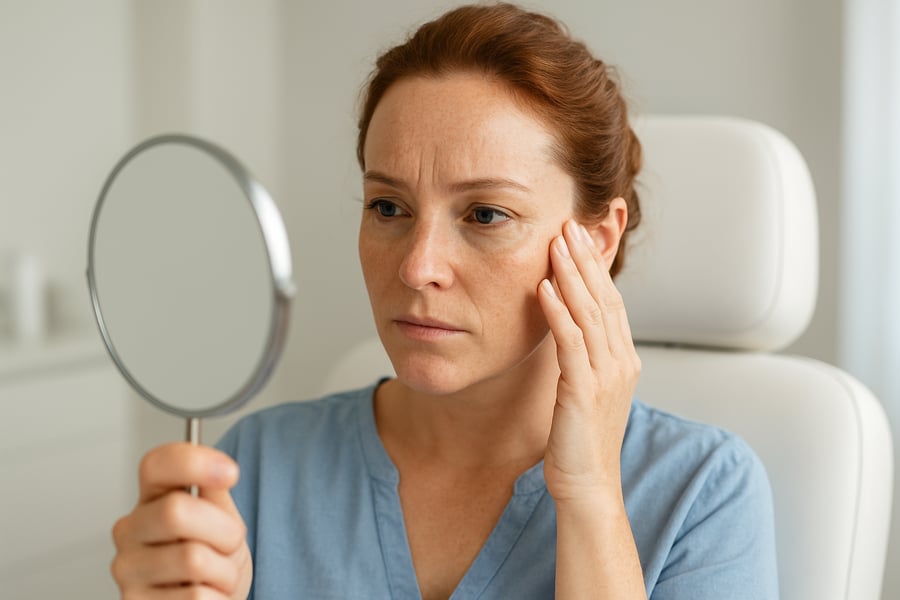
Why Estethica Global Offers the Best Chemical Peel Treatment
estethica Global prioritizes patient safety and health by integrating modern technological devices with ethical medical practices. The institution focuses on providing personalized care protocols that match individual skin needs, ensuring that every procedure is performed with precision and care. By following international scientific developments, the medical team delivers effective solutions for conditions such as acne vulgaris, melasma, wrinkles, and pigmentation disorders1.
The approach at estethica Global involves a thorough assessment before any intervention to determine the most appropriate chemical solution for the patient. Specialists evaluate specific skin concerns and types to minimize risks while maximizing the effectiveness of the treatment, as glycolic acid peels have been shown to improve rough texture and fine wrinkling2. Patients benefit from a transparent service model that monitors progress from the initial consultation until full recovery, focusing on natural-looking results that enhance overall appearance without compromising skin integrity.
Commitment to Excellence in Aesthetic Care
The medical team at estethica Global maintains a rigorous standard of aesthetic medicine to address photodamage and photoaging through evidence-based protocols. By using advanced chemical peel benefits, the clinic helps patients achieve skin rejuvenation while managing post-procedure care with professional oversight. This dedication to clinical excellence ensures that each patient receives a tailored experience suited to their unique dermatological profile.
Comparing Chemical Peels to Laser Skin Resurfacing Techniques
Chemical peels and laser skin resurfacing represent two distinct pathways for achieving facial rejuvenation, each addressing skin concerns through different physical and chemical interactions. Chemical peels use acidic solutions to induce controlled exfoliation of the epidermis, which effectively treats acne vulgaris, melasma, and surface-level photodamage1. Conversely, laser skin resurfacing employs high-intensity light energy to penetrate deeper into the dermis, making it a powerful tool for removing damaged skin layers and addressing deeper wrinkles or scar tissue.
Determining the appropriate treatment path often depends on the specific severity of skin aging and the patient's desired downtime. Glycolic acid peels are widely use at estethica Global for patients seeking to improve skin texture and lighten solar lentigines with minimal recovery time2. While laser treatments provide precision for targeted areas, the non-invasive nature of chemical peels remains a preferred choice for individuals looking to address broad concerns like actinic keratosis and general pigmentation disorders1.
Choosing the Right Modality
Selecting between these aesthetic medicine modalities requires a professional assessment of individual skin anatomy and goals. Patients at estethica Global receive customized consultations to decide whether the uniform exfoliation of a chemical peel or the focused intensity of a fractional laser better suits their long-term skin health. Both procedures effectively stimulate natural cell turnover, helping to combat signs of aging and environmental damage while restoring a more youthful appearance.
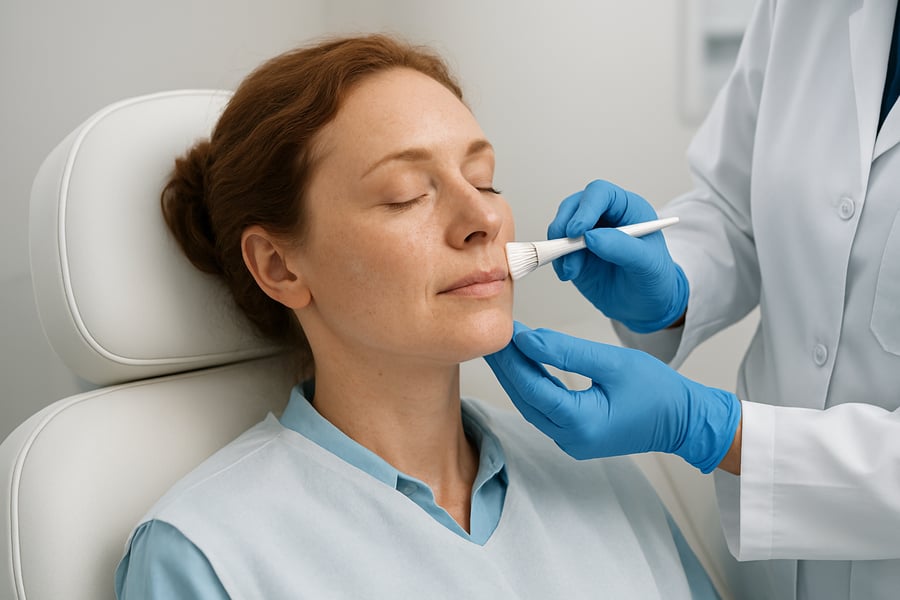
Essential Aftercare Tips for Maintaining Radiant Skin Results
Proper aftercare is vital for ensuring the longevity of the results achieved through a professional facial peel at estethica Global. Following the procedure, the skin is often more sensitive and requires gentle handling to support the natural healing process. Protecting the treated area from environmental stressors is a primary component of any effective maintenance routine, as clinical data indicates that peels effectively address conditions like photodamage, pigmentation disorders, and acne scars by removing damaged outer layers1.
Sun protection serves as the most critical aspect of post-peel care because the newly surfaced skin is highly susceptible to ultraviolet damage. Patients should use a broad-spectrum sunscreen daily to prevent hyperpigmentation and preserve the improvements in skin texture and fine wrinkling observed in clinical studies2. Avoiding harsh exfoliating products or potent active ingredients like retinoids remains necessary until the skin barrier has fully recovered from the treatment.
Optimizing Skin Hydration and Recovery
Keeping the skin hydrated with gentle, non-comedogenic moisturizers helps soothe any temporary dryness or tightness that may occur during the immediate healing phase. Consistent application of recommended products ensures the skin remains nourished while it repairs itself after a chemical peel. By adhering to these professional guidelines, patients can maximize the aesthetic benefits and maintain a radiant, youthful appearance over the long term.
Who Should Consider a Professional Facial Peel for Anti-Aging
Professional chemical peels are ideal for individuals seeking to correct visible photoaging, including fine lines, rough skin texture, and solar lentigines. Research indicates that targeted treatments like glycolic acid peels improve mild photoaging by reducing surface irregularities and promoting skin renewal2. Patients who find that over-the-counter creams fail to provide visible rejuvenation often see superior outcomes through these controlled, clinical-grade applications.
Candidates for facial peels frequently present with concerns such as melasma, actinic keratosis, or general pigmentation disorders1. estethica Global provides personalized consultations to determine the appropriate depth of the peel based on individual skin type and aesthetic goals. This medical approach ensures that the concentration of the peeling agent match the patient's specific restorative needs.
Evaluating Treatment Benefits and Limitations
Professional skin assessments help identify whether a patient is a suitable candidate for a peel or if alternative procedures like dermal fillers or laser skin tightening might yield better results. Safety remains the priority at estethica Global, as specific medical histories or recent cosmetic surgeries may necessitate a recovery waiting period before starting a peeling regimen. Understanding that results often require a series of sessions helps patients maintain realistic expectations throughout their anti-aging journey.
| Advantages (Pros) | Disadvantages (Cons) |
|---|---|
| Enhanced Texture: Effectively smooths fine lines and rough patches for a more youthful appearance. | Sensitivity: Treated skin may remain temporarily sensitive to environmental factors and UV exposure. |
| Pigmentation Correction: Targets sun damage and uneven skin tone with precision. | Recovery Time: Deeper peels may require several days of downtime for proper healing. |
| Collagen Stimulation: Encourages natural cell turnover and supports skin elasticity. | Maintenance: Multiple sessions are often needed to achieve and sustain optimal results. |

Technical Methods and Skin Analysis Procedures
Patient Assessment and Post-Procedure Care
Frequently Asked Questions
Who should avoid chemical peel treatments for skin rejuvenation?
What specific steps should I take to prepare my skin before a chemical peel?
How long is the typical recovery period following a professional chemical peel?
Are there common misconceptions regarding the safety of chemical peels?
How do chemical peels differ from mechanical microdermabrasion treatments?

Unlock Your Skin's Natural Radiance
Discover if a chemical peel is the right path to your skincare goals with a personalized assessment.
References
Superscript numbers in the content correspond to the references listed below.
- StatPearls - NCBI Bookshelf - NIH — Chemical Peels for Skin Resurfacing
- PMC - NIH — Glycolic acid peel therapy – a current review