


Learn about breast reduction surgery recovery, including timelines, post-op care, and scar management tips for a smooth healing process after your procedure.
Breast reduction surgery recovery is the healing process following reduction mammaplasty, involving tissue stabilization and scar maturation. Patients typically navigate a structured timeline to manage post-surgical care, ensuring optimal healing and long-term comfort. Understanding these phases helps individuals prepare for a smooth transition back to daily activities.
Understanding the Breast Reduction Surgery Recovery Timeline
The recovery journey after reduction mammaplasty at estethica Global is a gradual process that requires patience and strict adherence to medical guidance. Immediately following the procedure, patients enter the acute phase where the body begins its initial healing response and surgical sites stabilize. Most individuals experience manageable discomfort during the first few days, which is addressed through specific post-operative protocols provided by your surgical team.
By the end of the first week, many patients notice a significant reduction in initial swelling as the body adapts to the changes. While physical activity remains restricted, light movement is encouraged to promote circulation and prevent complications. Research indicates that a recovery period of approximately three weeks is typically required before returning to most daily tasks, with many patients feeling ready for office work or driving after about nineteen days2.
Long-term healing and scar management
Tissue remodeling becomes the primary focus as the weeks progress, allowing the breast shape to settle and the skin to conform to the new volume. Once the wounds have completely closed, typically after two to three weeks, patients may begin scar massage twice daily for ten minutes to promote healthy healing3. Applying silicone gel sheets for at least twelve hours per day can further assist in making scars less noticeable over the following months1.

Essential Post-Op Care and Healing Tips for Estethica Global Patients
Proper post-operative care serves as the foundation for achieving optimal results after breast reduction surgery. At estethica Global, the medical team prioritizes patient safety by providing tailored recovery protocols that minimize potential risks and promote efficient tissue healing. Adhering strictly to these professional guidelines, including consistent hygiene practices and attending all scheduled follow-up consultations, ensures a smoother transition back to daily activities.
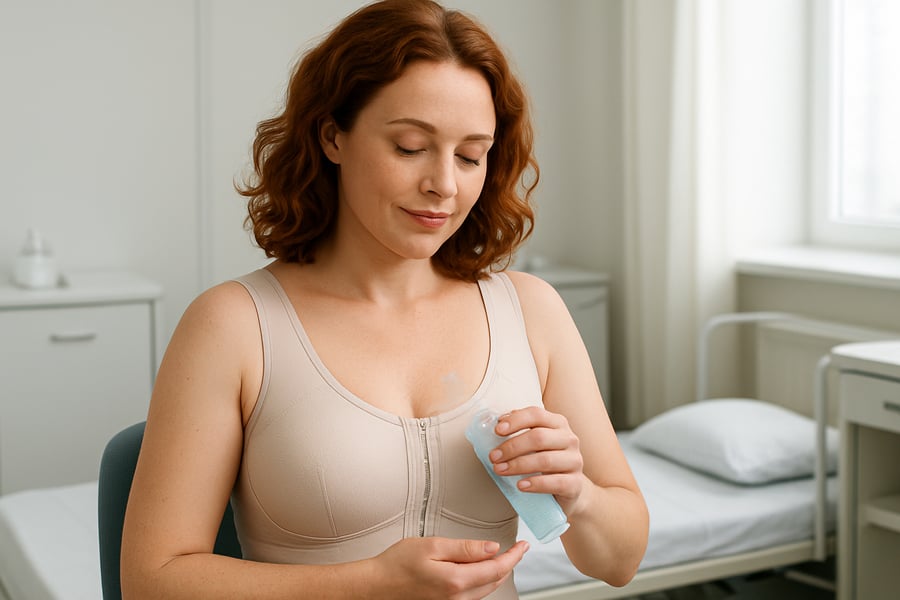
Managing the surgical site effectively involves wearing a medical-grade support bra to reduce edema and stabilize the breast tissue during the initial recovery phase. While individual healing rates vary, most patients typically return to light activities and work approximately 19 days after the procedure, with a full recovery timeline often spanning about 3 weeks2. Patients should avoid strenuous physical exertion until cleared by their estethica Global surgeon to prevent complications such as delayed wound healing or excessive swelling.
Scar Management and Long-Term Healing
Once the surgical incisions have completely closed, usually between 2 to 3 weeks post-operation, patients can begin scar massage techniques to improve the texture and appearance of the skin3. Consistent application of silicone gel sheets or silicone-containing ointments is highly effective for scar maturation, with experts recommending use for at least 12 hours daily over a period of 3 to 4 months1, 3. Integrating these care routines into a daily schedule aids in the long-term aesthetic outcome of the breast reduction surgery.
Effective Pain Management and Swelling Reduction Techniques
Postoperative comfort after breast reduction surgery relies on a structured approach to medication and physical care. Patients should strictly adhere to the pain relief schedule provided by estethica Global to prevent discomfort before it peaks, as maintaining consistent levels of medication is more effective than reacting to acute pain. Gentle movement, such as short, slow walks around the home, helps improve circulation and reduces the risk of complications during the early recovery phase.
Swelling, or edema, represents a natural healing response that can be managed effectively through consistent tissue stabilization. Patients are encouraged to keep the upper body improve while resting to help lymphatic drainage and minimize fluid buildup in the chest area2. Applying cold compresses during the first 48 hours helps soothe the surgical site and constrict blood vessels, which limits inflammation and bruising.
Scar management becomes a central focus once the initial swelling subsides and the incisions have fully healed. Surgeons at estethica Global recommend starting scar massage only after complete wound closure, typically two to three weeks after the procedure, to encourage healthy tissue remodeling1,3. using silicone gel sheets for at least 12 hours daily can further improve the appearance of scars, provided they are used for the recommended duration of three to four months3.
Comparison of Recovery Aids
| Name | Key Features | Pros | Cons |
|---|---|---|---|
| Compression Garments | Medical-grade support | Stabilizes tissue, reduces edema | Can feel tight initially |
| Silicone Gel Sheets | Adhesive scar treatment | Softens and flattens scars | Requires daily maintenance |
| Cold Compresses | Thermal therapy | Immediate inflammation relief | Short-lived cooling effect |
Guidelines for Resuming Physical Activity and Exercise
Recovery following breast reduction surgery requires a patient-centered approach that prioritizes tissue healing over rapid return to fitness. Most plastic surgeons at estethica Global advise that while light walking is encouraged shortly after the procedure to promote healthy circulation, strenuous upper-body movements must be strictly avoided during the initial healing phase. Research indicates that patients typically require approximately three weeks before they can safely return to moderate daily activities, though individual recovery timelines vary based on surgical complexity2.
Heavy lifting, intense cardiovascular workouts, and activities involving significant chest muscle engagement should be postponed for at least six weeks to prevent incision dehiscence or unnecessary swelling. During this period, estethica Global specialists emphasize that any sudden pain or pulling sensation is a n immediate indicator to decrease physical intensity. Gradually reintroducing movement ensures that the surgical site remains stable, protecting the long-term aesthetic outcomes of the procedure.
Post-Operative Care and Scar Management
Integrating scar management techniques into your post-operative routine supports the overall recovery process once the wounds have completely closed. Applying silicone gel sheets or ointments can improve the appearance of incision lines, with experts recommending consistent use for several months to achieve optimal results1. Also, once cleared by your medical team, performing gentle scar massage twice daily for ten minutes helps manage tissue texture and reduces potential itching during the remodeling phase3.
Long-Term Scar Care and Maintaining Your Surgical Results
Effective long-term scar care is essential for achieving optimal aesthetic outcomes following breast reduction surgery. Clinical research confirms that silicone-containing ointments or silicone gel sheets improve the appearance of incision lines by hydrating the tissue and creating a stable environment for healing1. estethica Global emphasizes that consistent application of these treatments is a foundational step in managing the maturation of your scars.
Scar massage helps soften fibrous tissue and improves the overall flexibility of the treated area once the incisions have fully closed. Patients should begin this practice two to three weeks postoperatively, performing gentle massage twice daily for ten minutes over a six-week period3. For individuals prone to hypertrophic scarring, wearing silicone sheets for at least twelve hours per day for several months provides the necessary pressure and hydration to keep scars flat and light in color3.
Maintaining Long-Term Surgical Results
Protecting healing tissue from ultraviolet light is mandatory, as sun exposure can lead to permanent hyperpigmentation and darkening of the scar tissue. estethica Global recommends using high-SPF sunscreen or keeping the surgical site covered with clothing for at least one year following your procedure. Adopting these habits preserves the quality of your cosmetic surgery results and ensures that your skin heals as discreetly as possible.

Surgical Techniques and Recovery Protocols
Clinical Standards and Follow-up Care
Frequently Asked Questions
What are the common prerequisites to ensure a smooth breast reduction surgery recovery?
When can I exercise after breast reduction surgery safely?
Why is a post-surgical breast support bra critical during the healing period?
Who is generally considered not a suitable candidate for this type of surgery?
Is it true that breast reduction surgery prevents future breastfeeding?

Navigate Your Breast Reduction Recovery with Expert Guidance
Get personalized answers to your recovery questions and ensure a smooth healing process.
References
Superscript numbers in the content correspond to the references listed below.
- Cleveland Clinic — Breast Reduction Scars: Healing, Appearance & Treatment
- PubMed — Return to activities after breast reduction
- PMC (NIH) — Update on Postsurgical Scar Management