


This guide provides essential information on breast augmentation, covering implant types, the mammoplasty procedure, size selection, recovery, and how to find a qualified surgeon.
Embarking on the journey toward breast augmentation is a significant decision, often driven by a desire for enhanced symmetry, improved self-confidence, and a silhouette that better reflects personal aesthetic goals. This elective procedure, also known as breast implant surgery or mammoplasty, involves the careful placement of implants to increase breast size and volume. Choosing this path is deeply personal, and understanding the nuances of breast enlargement is crucial for making informed decisions. This comprehensive guide explores the various aspects of breast augmentation, from understanding the different types of implants and surgical techniques to navigating the cost, recovery process, and the importance of selecting a qualified surgeon. We aim to provide you with the clarity and knowledge needed to approach your breast enlargement journey with confidence and realistic expectations.Understanding Breast Augmentation Procedures and Implant Types
Embarking on the journey of breast augmentation involves understanding the fundamental choices that shape the outcome. The most critical decision often revolves around the type of implant used. The two primary categories are saline and silicone implants. Saline implants consist of a silicone shell that is filled with sterile salt water after it has been placed inside the body. This method allows for a smaller initial incision, as the filling occurs post-insertion. Should a saline implant rupture, the body safely absorbs the saline solution. Conversely, silicone implants are pre-filled with a cohesive silicone gel. This pre-filling typically results in a softer feel that more closely replicates the texture of natural breast tissue. While silicone implants are often considered safer in the event of a rupture due to the gel's tendency to remain contained within the shell, they generally require a slightly larger incision for placement. Both types are available in a variety of shapes, such as round and teardrop, and different projection profiles, allowing for extensive personalization to meet individual aesthetic goals in breast implant surgery.
Surgical Techniques for Breast Enlargement
The procedure for breast enlargement, commonly referred to as breast augmentation, can be approached through several surgical techniques, each tailored to specific patient anatomies and desired results. The incision sites most frequently utilized include the inframammary fold (located beneath the breast crease), the periareolar area (encircling the nipple), and the transaxillary approach (through the armpit). The selection of the incision method is influenced by factors such as the type of implant chosen, the aesthetic vision for the final appearance, and the surgeon's expert recommendation. Furthermore, implants can be positioned in two distinct anatomical layers: subglandular, which means the implant sits over the pectoral muscle, or submuscular, where the implant is placed beneath the pectoral muscle. Submuscular placement is frequently favored because it can contribute to a more natural-looking contour and may help conceal the implant's edges, particularly in individuals with less natural breast tissue. Your surgeon will thoroughly discuss these techniques during your consultation to determine the optimal approach for your unique anatomy and aspirations for breast enlargement. For those considering other body contouring procedures, exploring options like Tummy Tuck Surgery: Transform Your Body with Abdominoplasty can provide a comprehensive understanding of related aesthetic enhancements. Successfully navigating the nuances of breast implant surgery ensures patient satisfaction.

Choosing the Right Breast Implant Size for Natural Results
Selecting the appropriate breast implant size is paramount to achieving aesthetically pleasing and natural-looking results from your breast enlargement surgery. It’s a decision that balances your personal desires with your body’s natural proportions and the recommendations of your surgeon. Factors such as your existing breast tissue, chest width, torso height, and desired level of projection all play a critical role. Too large an implant can lead to an unnatural appearance and may put undue stress on the surrounding tissues and skin, potentially causing complications. Conversely, an implant that is too small may not meet your aesthetic expectations.
Understanding Your Unique Anatomy
Achieving a natural look during breast enlargement begins with a thorough understanding of your individual anatomy. Your surgeon will consider several key elements: your baseline breast tissue volume, the width of your chest (sternal notch to clavicle), and your overall torso height. These measurements help determine the ideal implant base width and projection to ensure symmetry and proportionality. The goal of breast implant surgery is not simply to increase size, but to enhance your silhouette in a way that appears organic. This involves careful consideration of how the implant will integrate with your existing breast tissue and how it will settle over time. For those interested in refining their overall figure, complementary procedures like those discussed in our Sculpt Your Silhouette: Liposuction, Body Contouring & Fat Transfer Guide can offer further aesthetic enhancements.
The Consultation: Visualizing Your Ideal Outcome
During your consultation for breast augmentation, your surgeon will employ various tools to help you visualize potential outcomes. This often includes using sizers – temporary implants that allow you to feel and see how different sizes would look and feel. Special bras designed to accommodate these sizers are also utilized. The discussion will focus on the “fullness” versus the “projection” you are seeking. Fullness refers to the overall volume, while projection relates to how much the implant pushes forward. The aim is to create a harmonious balance that enhances your figure without appearing disproportionate. Open communication with your surgeon about your expectations is key. They can guide you on what is realistically achievable for your body type, ensuring that your breast implant surgery leads to a silhouette you love, maintaining a natural aesthetic that complements your overall physique. A well-chosen implant size is fundamental to the success of your breast augmentation and ensures satisfaction with the final result of your breast enlargement.
Breast Augmentation Cost, Recovery, and Post-Operative Care
Understanding the financial investment and the recovery process is essential when considering breast enlargement. The overall cost of breast implant surgery can vary significantly based on factors such as the surgeon's expertise, the geographic location of the practice, the type of implants chosen, and the complexity of the procedure. It's important to consider that this cost typically includes the surgeon's fee, anesthesia fees, facility costs, and potentially post-operative garments. While the initial outlay is a significant factor, remember that this procedure is a long-term investment in your confidence and well-being. It's always advisable to have a detailed consultation to receive a personalized cost estimate.
Understanding the Financial Aspects
The price of breast augmentation is not a one-size-fits-all figure. Several components contribute to the total expense. These include the surgeon's professional fees, which reflect their experience and skill; the anesthesiologist's fees; the operating room or facility charges; and the cost of the chosen breast implants themselves. Some practices may also include the cost of post-operative compression garments in their package. When comparing options, it is important to understand what is included in each quote to make an informed decision. For those exploring other aesthetic enhancements, it's worth noting that procedures like Rhinoplasty: Achieve Your Ideal Nose Shape with Expert Nose Surgery also have variable costs influenced by similar factors.
Recovery and Post-Operative Care
The recovery period following breast augmentation is a critical phase for healing and achieving optimal results. Immediately after the procedure, you can expect some discomfort, swelling, and bruising, which are typically managed with prescribed pain medication. Most patients are advised to avoid strenuous activities and heavy lifting for several weeks, gradually returning to normal routines as advised by their surgeon. Wearing a supportive surgical bra is crucial during this time to help minimize swelling and support the implants as they settle into their final position. Comprehensive post-operative care instructions will be provided by your surgeon, including guidelines for showering, sleeping, and resuming physical activity. Adhering strictly to these guidelines is vital for a smooth recovery and to ensure the longevity of your breast enlargement results.
Finding the Best Breast Implant Surgeon for Your Needs
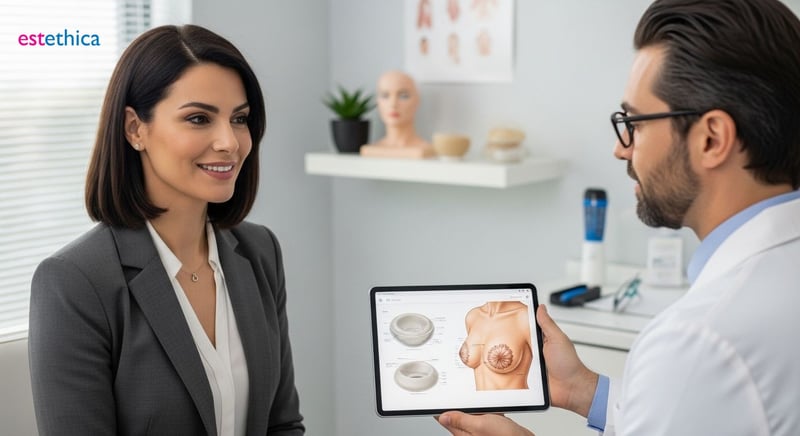
Selecting the right surgeon is arguably the most critical step in your breast augmentation journey. Choosing a board-certified plastic surgeon with extensive experience in breast implant surgery ensures you are in capable hands. Look for a surgeon who is affiliated with accredited surgical facilities and has a strong track record of successful outcomes and patient satisfaction. A thorough consultation is essential; this is your opportunity to assess the surgeon's communication style, their understanding of your goals, and their ability to explain the procedure, potential risks, and expected results clearly. This initial meeting is also a good time to discuss how different techniques might achieve your desired look, much like how a skilled surgeon can tailor procedures for a youthful neck contour, as seen in discussions about Neck Lift & Rejuvenation: Achieve a Youthful Neck Contour. The right surgeon will make you feel informed and comfortable.
Assessing Surgeon Expertise and Your Consultation
During your consultation for breast enlargement, don't hesitate to ask detailed questions. Inquire about their specific experience with various implant types (silicone and saline) and the different surgical techniques they employ. Understanding their approach to managing potential complications is also paramount. A crucial part of this assessment involves reviewing before-and-after photos of previous patients. It's beneficial to see results from individuals with similar body types and aesthetic aspirations to your own. This visual evidence can offer valuable insights into what you can realistically expect from the breast augmentation procedure. A surgeon who actively listens to your concerns and offers personalized recommendations, rather than a generic approach, is a strong indicator of a good fit. Your comfort and trust in their abilities are key indicators of a successful partnership for your breast implant surgery.
Prioritizing Safety and a Strong Patient-Surgeon Relationship
Ultimately, prioritizing safety, proven expertise, and fostering a good patient-surgeon relationship will contribute significantly to a positive and successful experience with your breast enlargement. A surgeon’s dedication to patient care extends beyond the operating room. They should provide clear post-operative instructions and be readily available to address any concerns that may arise during your recovery. Remember, this is a significant procedure, and your chosen professional should make you feel confident and well-supported every step of the way. This commitment to detail and patient well-being is essential for all cosmetic procedures, including breast implant surgery, ensuring the best possible outcome for your breast augmentation.

Advanced Breast Augmentation Techniques: Saline and Silicone Implant Selection
Our approach to breast augmentation, also known as mammoplasty or breast enlargement surgery, is centered on providing detailed information about the fundamental choices that shape your outcome. We focus on the critical decision points, particularly the types of implants available, including both saline and silicone options, to ensure you understand their distinct characteristics and how they contribute to your desired results.
We delve into the nuances of surgical techniques for breast enlargement, explaining the placement methods and how they influence the final aesthetic. This expertise ensures that each procedure is tailored to your unique anatomy and aesthetic goals, aiming for both enhanced symmetry and improved self-confidence.
Our commitment lies in offering expert guidance through the complexities of breast augmentation. We provide comprehensive insights into implant types, surgical procedures, and the factors contributing to a successful breast enlargement journey.
Through detailed explanations and a focus on informed decision-making, we empower individuals to confidently pursue their aesthetic aspirations with the support of specialized knowledge in cosmetic breast surgery.
Comprehensive Breast Augmentation: Cost, Recovery, and Safety Assurances
Understanding the financial investment and the recovery process is essential when considering breast enlargement, and we provide transparent information on both. We break down the various components of breast augmentation cost, ensuring clarity on what your investment covers, from the procedure itself to post-operative care.
The recovery period following breast augmentation is a critical phase for healing and achieving optimal results, and we offer detailed guidance on post-operative care. Our focus on safety extends to ensuring you are well-informed about the risks and benefits, addressing questions like "is breast augmentation safe?" with honest and expert insights.
Prioritizing safety and a strong patient-surgeon relationship is at the core of our trusted approach to breast enlargement. We ensure that you feel supported and informed throughout your journey, fostering confidence in the procedure and its outcomes.
Our commitment to excellence in breast augmentation ensures a positive and successful experience, addressing all your concerns about implant longevity, surgical safety, and aesthetic satisfaction.