

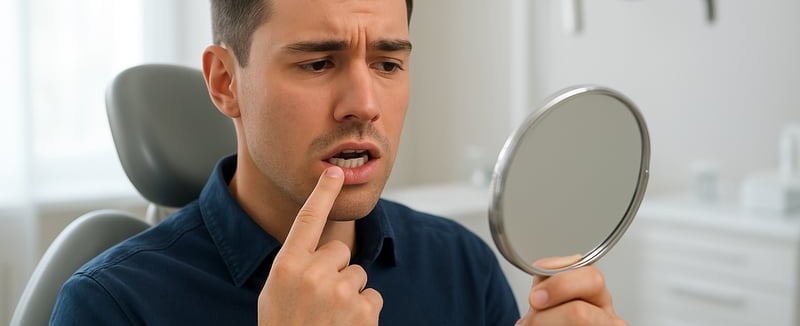
Explore the braces before and after results journey. Learn about orthodontic stages, consultation expectations, and teeth straightening options for adults.
Braces before and after results represent the significant outcome of orthodontic treatment, where dental arch alignment is corrected to improve both function and aesthetics. This process involves the systematic movement of teeth to address malocclusion, leading to a more balanced smile and improved oral health. Understanding the journey from initial consultation to the final reveal helps patients set realistic expectations for their own dental transformation.
Understanding the Orthodontic Treatment Journey
The orthodontic treatment journey is a structured process designed to correct dental irregularities through the application of consistent, gentle pressure. This journey begins at estethica Global with a thorough assessment of the patient's oral health, including digital imaging and physical examinations to identify specific alignment needs. By analyzing the dental arch, specialists can determine the most effective approach for achieving long-term stability and health.
Many individuals seek treatment to address issues like malocclusion or teeth crowding, which can impact both chewing efficiency and oral hygiene. Research indicates that dental crowding often increases slightly during early adulthood, making timely intervention beneficial for maintaining arch integrity1. Also, linear modeling shows that space requirements for incisor alignment change in relation to arch width, highlighting the necessity for personalized care plans2.
The Role of Orthodontic Appliances
Orthodontic appliances, such as traditional metal braces, clear aligners, or lingual braces, serve as the primary tools for guiding teeth into their desired positions at estethica Global. These devices work by applying controlled force, which stimulates bone remodeling around the tooth roots. This biological response allows for the gradual shifting of teeth, ensuring that the correction is both effective and sustainable for the patient.
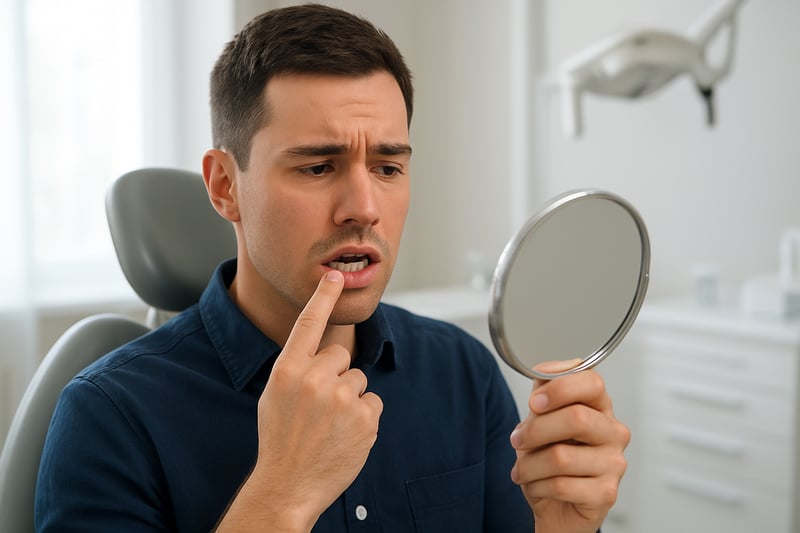
Visualizing Braces Before and After Results
Visualizing braces before and after results involves observing the transition from misaligned dental structures to a harmonious, functional arch. As orthodontic treatment progresses, the physical movement of teeth into their ideal positions help better oral hygiene and bite efficiency. estethica Global emphasizes that these aesthetic shifts are often tied to the underlying correction of dental crowding, which tends to increase by approximately 1 mm between the ages of 20 and 30 if left untreated1.
The impact of orthodontic treatment extends beyond the teeth, influencing how the lips and cheeks are supported. Achieving a balanced facial profile often requires subtle expansion of the dental arches, where statistical models show that even small increases in arch width can improve the space available for proper incisor alignment2. Patients at estethica Global often notice a rejuvenated appearance as their smile becomes more aligned, highlighting the correlation between skeletal structure and dental positioning.
Setting Realistic Expectations
Every patient presents a unique orthodontic profile, making the timeline for achieving optimal results dependent on the specific complexity of the case. Consistent adherence to wearing retainers after braces and following the custom treatment plan provided by estethica Global ensures that teeth remain stable once they reach their target positions. Observing the incremental adjustments during each visit provides patients with a clear perspective on the precision required to reach a lasting, healthy smile.
What to Expect During Your Estethica Global Braces Consultation
During an estethica Global braces consultation, patients undergo a thorough evaluation to determine the most effective path for their orthodontic journey. Specialists use advanced diagnostic tools to map the current state of the dental arch and simulate potential outcomes, as dental crowding often increases by approximately 1 mm between the ages of 20 and 301. This initial meeting establishes a clear, personalized treatment plan tailored to the patient's unique oral health requirements.
The assessment process incorporates high-resolution digital imaging to analyze arch dimensions, which is important because minor shifts in width directly impact the space available for proper incisor alignment2. Experts discuss the mechanics of various orthodontic appliances, ensuring patients understand the specific requirements and timelines involved in their care. This transparent approach support a foundation of trust and helps patients make informed decisions about their dental transformation.
Weighing Your Orthodontic Options
Selecting the right treatment method requires a balance between clinical necessity and personal lifestyle preferences. The following table highlights the primary considerations when comparing different orthodontic approaches at estethica Global.
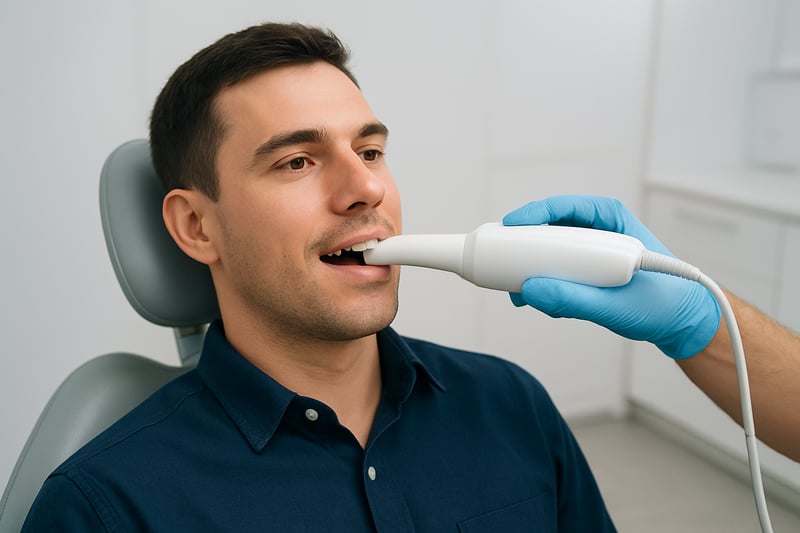
Timeline and Stages of Teeth Straightening for Adults
Adult teeth straightening relies on the physiological capacity of the alveolar bone to remodel in response to controlled orthodontic forces. While dental crowding often increases by approximately 1 mm between the ages of 20 and 30 due to natural arch changes, modern appliances effectively counteract these shifts to restore proper alignment1. Patients at estethica Global typically undergo a personalized treatment plan that accounts for individual bone density and the specific degree of malocclusion present.
Treatment begins with an initial leveling and alignment phase designed to resolve crowding and spacing issues. Once the teeth occupy their intended positions, the focus shifts toward correcting the bite, ensuring the upper and lower arches function in harmony. The final stage involves careful detailing to refine tooth angulation, providing both aesthetic satisfaction and long-term functional stability.
Factors Influencing Treatment Duration
The total duration of care depends heavily on the complexity of the alignment required and the specific appliance use by the patient. Research indicates that even minor adjustments in arch width correlate with the space required for incisor alignment, highlighting the importance of precise planning during the initial consultation2. Consistent wear of aligners or braces is essential to maintain steady progress and ensure the projected timeline remains accurate throughout the duration of the procedure.
Comparing Invisible Aligners and Traditional Orthodontic Appliances
Traditional orthodontic appliances use brackets and wires to exert consistent pressure, making them highly effective for correcting complex malocclusions and severe dental crowding. Research indicates that dental crowding often increases by approximately 1 mm between the ages of 20 and 30, necessitating strong mechanical intervention for long-term alignment1. estethica Global specialists frequently recommend these durable systems for patients requiring precise control over tooth rotation and vertical movement.
Invisible aligners offer a transparent, removable alternative that prioritizes patient comfort and aesthetic discretion during the straightening process. These systems rely on carefully planned incremental movements, where arch width adjustments can influence the total space available for incisor alignment2. Because aligners can be removed for oral hygiene, patients must maintain high levels of discipline to ensure the trays are worn for the recommended duration each day.
Clinical Assessment and Suitability
The choice between fixed appliances and clear aligners depends heavily on the specific complexity of the patient's dental arch. estethica Global provides thorough consultations to evaluate whether a patient’s unique structural needs are better served by the constant force of metal braces or the convenience of removable aligner technology. Aligning individual lifestyle preferences with clinical requirements ensures that the journey to a straighter smile remains both efficient and sustainable.

Orthodontic Assessment and Treatment Planning
Patient Expectations and Post-Treatment Care
Frequently Asked Questions
Are there specific dental conditions that make someone ineligible for orthodontic treatment?
What steps should I take to prepare for my initial braces consultation?
How does the maintenance phase differ from the active orthodontic treatment journey?
Is it true that orthodontic treatment always causes permanent damage to tooth enamel?
What is the primary difference between traditional metal braces and clear aligner alternatives?

Visualize Your Transformation Journey
Understand the process and see what is possible for your smile with a professional consultation.
References
Superscript numbers in the content correspond to the references listed below.
- PubMed Central (PMC) / U.S. National Institutes of Health's National Library of Medicine (NIH/NLM) — Changes in lower dental arch dimensions and tooth alignment in young adults without orthodontic treatment
- Clinical Oral Investigations (Journal) — Influence of dental arch width changes on the effective space required to align anterior teeth