


Blepharoplasty, or eyelid surgery, is a procedure to correct drooping eyelids and remove eye bags, enhancing appearance and sometimes vision. This guide covers what it is, correction methods, eye bag removal, and cost factors. Learn about the recovery process and choosing the best surgeon for optimal cosmetic eyelid surgery results.
Are you considering eyelid surgery to refresh your appearance or address functional concerns? Blepharoplasty, commonly known as eyelid surgery, offers a transformative solution for common issues like droopy eyelids, puffiness, and eye bags. This comprehensive guide delves into what blepharoplasty surgery entails, explores various droopy eyelids correction methods, discusses eye bag removal procedures, and provides insights into the upper and lower eyelid surgery cost. Whether you're seeking to enhance your cosmetic eyelid surgery results or understand the recovery process, this content aims to equip you with the essential information needed to make informed decisions about this popular procedure.What is Blepharoplasty Surgery?
Blepharoplasty surgery, often referred to as cosmetic eyelid surgery, is a specialized procedure designed to enhance the appearance of the eyelids. It specifically targets aesthetic concerns such as sagging skin, prominent under-eye bags, and drooping of the upper eyelids. These changes can contribute to a perpetually tired or aged facial expression, and in more severe cases, can even impede vision. The primary goal of this procedure is to rejuvenate the eye area by carefully removing or repositioning excess skin, fat, and muscle tissue. This meticulous approach aims to create smoother, more defined eyelid contours, leading to a refreshed and more youthful look.
Addressing Aesthetic and Functional Concerns
The motivation for considering blepharoplasty can be twofold: aesthetic improvement and functional restoration. While many seek this eyelid surgery to achieve a more harmonious and revitalized facial appearance, it can also provide significant functional benefits. When excess skin on the upper eyelids becomes so pronounced that it hangs over the lash line, it can obstruct peripheral vision. Similarly, the appearance of significant under-eye bags on the lower eyelids can be a source of self-consciousness. This type of cosmetic eyelid surgery addresses these issues directly, offering a solution that not only improves how you look but, in some instances, how you see.
Understanding what is involved in blepharoplasty is a crucial first step for anyone contemplating the procedure. Surgeons employ precise techniques to ensure that the results are natural-looking, preserving the unique character of your eyes while achieving a refreshed appearance. The delicate nature of the eye area means that expertise is paramount. For those interested in a deeper dive into the transformative potential of this procedure, further reading on Blepharoplasty: Eyelid Surgery for Timeless Rejuvenation can offer valuable insights. While specific details on upper and lower eyelid surgery cost can vary, the investment is often directed towards achieving significant and lasting improvements in both appearance and confidence. This carefully performed eyelid surgery can provide a remarkable enhancement to your overall facial aesthetics.

Droopy Eyelids Correction: Surgical & Non-Surgical Options
Addressing the concerns of drooping, sagging, or bagged eyelids can significantly enhance both appearance and vision. Fortunately, a spectrum of solutions exists, ranging from advanced surgical techniques to less invasive alternatives. For individuals experiencing noticeable drooping that impacts their aesthetics or obstructs their field of vision, surgical intervention is often the most effective path. This type of correction is commonly addressed through a procedure known as blepharoplasty, or eyelid surgery. In many instances, blepharoplasty involves carefully tightening the underlying muscles and precisely removing excess skin from the eyelids. This detailed approach ensures a rejuvenated look and functional improvement.
Surgical Solutions for Droopy Eyelids
Surgical eyelid surgery, particularly when performed by a skilled practitioner, offers dramatic and long-lasting results for moderate to severe cases of eyelid ptosis or excess skin. The primary goal of this reconstructive procedure is to restore a more youthful and alert appearance by lifting the drooping eyelids and reducing puffiness. Understanding the nuances of eyelid surgery is crucial for managing expectations regarding recovery and outcomes. Patients often inquire about the factors influencing the Blepharoplasty: Eyelid Surgery for Droopy Eyelids, and detailed consultations address these points comprehensively. The decision to proceed with eyelid surgery is a significant one, and thorough pre-operative discussions are paramount.
Non-Surgical Alternatives and Adjunctive Treatments
While surgical eyelid surgery remains the gold standard for significant drooping, there are non-surgical options available for those with milder concerns or who wish to postpone surgical procedures. These alternatives can provide subtle enhancements and improvements. For instance, certain types of injectables might be used to gently lift the brow area, indirectly improving the appearance of the upper eyelids. Additionally, advanced laser therapies can be employed to tighten the skin surrounding the eyes, which may offer a degree of skin rejuvenation. It's important to note that while these less invasive methods can yield positive results, they typically do not provide the same level of correction or longevity as surgical eyelid surgery. For individuals exploring options beyond traditional eyelid surgery, these non-invasive treatments can serve as valuable complementary or alternative solutions, though they may not fully address concerns related to the Blepharoplasty: Eyelid Surgery for Droopy Eyelids in more severe scenarios. Discussions around the Blepharoplasty: Eyelid Surgery for Droopy Eyelids often include exploring these adjunct treatments.
Eye Bag Removal Procedure: What to Expect
The quest for a more refreshed and youthful appearance often leads individuals to consider procedures that address common signs of aging around the eyes. Among these, the eye bag removal procedure, specifically targeting the lower eyelids, is highly sought after. This surgical intervention focuses on reducing the prominent fat deposits that accumulate beneath the eyes, a common cause of a perpetually tired or aged look.
The surgical approach for lower eyelid rejuvenation can vary, offering tailored solutions based on individual needs and anatomical considerations. Two primary techniques are employed: the external incision and the internal (transconjunctival) incision. The choice between these methods is crucial and often depends on whether excess skin needs to be addressed in addition to the fatty deposits.
Understanding the Incision Techniques
The transconjunctival approach is a favored method for patients primarily concerned with under-eye puffiness caused by fat prolapse. This technique involves making an incision inside the lower eyelid. Its significant advantage is that it allows for the removal or repositioning of fat without any external scarring or the need to excise skin. This makes it an excellent option for younger individuals or those whose skin maintains good elasticity, as it avoids the risk of altering the lower eyelid's shape or causing post-operative pulling. On the other hand, the external incision, often referred to as the subciliary approach, is made just below the lash line. This method is more comprehensive, enabling the surgeon to not only address the protruding fat pads but also to remove excess, sagging skin from the lower eyelid. This is typically recommended for patients who exhibit both significant fat deposits and skin laxity.
Regardless of the incision type chosen, the overall goal of this cosmetic eyelid surgery is to create a smoother, more harmonious transition between the lower eyelid and the cheek. The results often translate into a significantly more rested, alert, and youthful facial appearance.
Recovery and Expected Outcomes
Patients generally experience a relatively straightforward recovery following the eye bag removal procedure. Swelling and bruising are common in the initial days and weeks post-surgery, but these typically subside gradually, allowing the final results to become more apparent. Most individuals can return to their normal daily activities within one to two weeks. While this type of blepharoplasty is highly effective, it's essential to have realistic expectations and to discuss the potential outcomes thoroughly with your surgeon. For a deeper understanding of the broader scope of eyelid surgery, you can explore Blepharoplasty: Your Guide to Eyelid Surgery for Younger Looking Eyes.
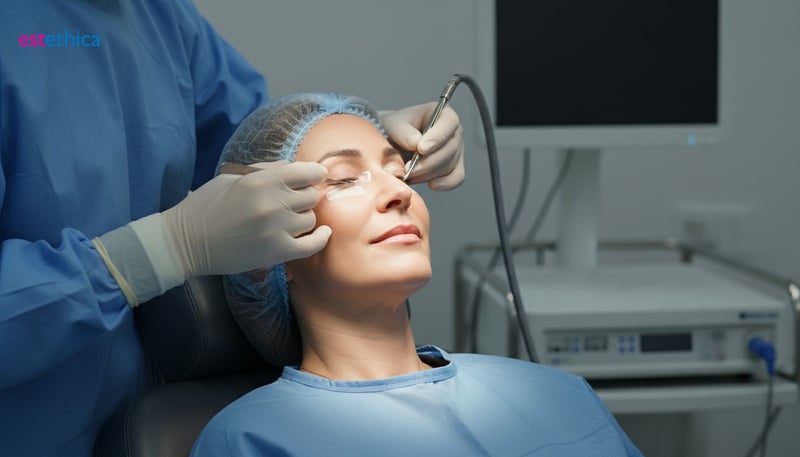
Upper and Lower Eyelid Surgery Cost Factors
Understanding the financial investment associated with upper and lower eyelid surgery is a common concern for individuals seeking rejuvenation or functional improvement around their eyes. The overall upper and lower eyelid surgery cost can vary significantly, influenced by a combination of essential elements. It's crucial to recognize that the quoted price encompasses more than just the surgeon's professional fee; it represents a comprehensive package designed for your safety and optimal results.
Key Determinants of Procedure Pricing
Several factors contribute to the final expense of eyelid surgery. The expertise and reputation of the chosen surgeon play a significant role. Highly experienced surgeons with a proven track record and specialized skills may command higher fees. Furthermore, the geographic location of the surgical practice can influence pricing due to regional economic factors and overhead costs. The complexity of the procedure itself is another major determinant. Whether you are undergoing eyelid surgery on the upper lids, lower lids, or both simultaneously will affect the operative time and the surgical approach, thereby impacting the cost. Some individuals may require more intricate corrections, such as addressing excess skin, prominent fat pads, or muscle issues, which can also increase the procedural complexity and associated fees.
The type of anesthesia administered is another cost component. Local anesthesia with sedation is often less expensive than general anesthesia. The facility fees for the surgical center or hospital where the procedure takes place are also factored into the total price. These fees cover the use of the operating room, nursing staff, and other essential support services. When considering the overall investment, it is vital to obtain a detailed breakdown of all anticipated expenses. While cosmetic eyelid surgery is typically considered an elective procedure and not covered by health insurance, cases where drooping eyelids impair vision may qualify for coverage. Consulting with a qualified surgeon is the most effective way to receive a personalized estimate and a clear understanding of what is included in your specific treatment plan. For a more in-depth look at the benefits and considerations of this transformative procedure, you can explore our article, Blepharoplasty & Eyelid Surgery: Refresh Your Look.
Beyond the Surgeon's Fee
It is essential to view the upper and lower eyelid surgery cost as a holistic investment in your well-being and appearance. Beyond the surgeon's fee and facility charges, consider potential costs for pre-operative evaluations, post-operative care, medications, and any necessary follow-up appointments. The initial consultation is an invaluable opportunity to discuss your aesthetic goals, understand the surgical plan, and receive a transparent quote that outlines all included services. This clarity ensures you are well-informed and can budget accordingly for your desired outcome. Remember, the goal of eyelid surgery is not just cosmetic enhancement but also to restore comfort and improve vision if functional issues are present.

Expert Blepharoplasty Techniques for Droopy Eyelid Correction
The surgery meticulously removes or repositions excess skin, fat, and muscle tissue to rejuvenate the eye area. Specialized techniques are employed for upper and lower eyelid surgery, ensuring tailored results that create a smoother transition between the lower eyelid and cheek. Understanding these precise methods is fundamental for achieving optimal outcomes.
Comprehensive Guide to Eyelid Surgery Recovery and Patient Expectations
While surgical eyelid surgery remains the gold standard for significant drooping, non-surgical options are available for milder concerns or for those wishing to postpone surgery. We offer a holistic approach, integrating surgical and non-surgical alternatives where appropriate to meet diverse patient needs. This ensures the best possible results and patient satisfaction.