


Explore transformative gynecomastia solutions at estethica. Regain your confidence with expert-guided treatment plans!
The issue of enlarged male breasts, often termed as gynecomastia, is more common than many might think. Affecting a considerable number of men at some point in their lives, it can be a source of emotional distress and physical discomfort. Whether arising from hormonal imbalances, genetics, or lifestyle factors, understanding the causes and available treatments can empower individuals to make informed decisions about their bodies. estethica, a leader in aesthetic and healthcare services, is committed to providing solutions that restore confidence and enhance quality of life.
Understanding Enlarged Male Breasts: Gynecomastia Causes Explained
Hormonal Imbalance: The Primary Driver
Gynecomastia often stems from a disruption in the delicate balance between estrogen and testosterone. Estrogen promotes breast tissue growth, while testosterone inhibits it. When estrogen levels are too high relative to testosterone, it can lead to the development of enlarged male breasts. This imbalance can occur due to a variety of factors, including puberty, aging, certain medical conditions, and the use of specific medications. Understanding these hormonal dynamics is crucial in diagnosing and addressing gynecomastia effectively. About 65% of gynecomastia cases are attributed to hormonal imbalances.
- Puberty: During puberty, hormonal fluctuations are common, which can temporarily elevate estrogen levels, leading to gynecomastia in some adolescent males.
- Aging: As men age, testosterone production naturally declines, while estrogen levels may remain relatively stable, increasing the risk of developing gynecomastia.
- Medical Conditions: Certain medical conditions, such as hyperthyroidism, kidney failure, and liver disease, can disrupt hormonal balance and contribute to gynecomastia.
Genetic Predisposition and Contributing Lifestyle Factors
While hormonal imbalance is the primary cause, genetic factors can also play a role in susceptibility to gynecomastia. Some individuals may inherit genes that make them more sensitive to estrogen or less efficient at producing testosterone. Additionally, lifestyle factors such as diet, exercise, and substance use can influence hormone levels and contribute to the development of enlarged male breasts. For instance, excessive alcohol consumption and the use of anabolic steroids can disrupt hormonal balance and increase the risk of gynecomastia. It's estimated that genetic factors contribute to approximately 25% of gynecomastia cases.
- Genetic Sensitivity: Inherited genes can increase sensitivity to estrogen, making some individuals more prone to developing gynecomastia even with normal hormone levels.
- Dietary Influences: Diets high in processed foods and low in essential nutrients can disrupt hormonal balance and contribute to gynecomastia.
- Substance Use: Anabolic steroids and excessive alcohol consumption can significantly alter hormone levels, increasing the risk of developing enlarged male breasts.

Male Breast Reduction Surgery: Reshape Your Chest, Regain Confidence
Surgical Techniques for Gynecomastia Correction
Gynecomastia surgery aims to remove excess glandular tissue and fat, and sometimes skin, to restore a more masculine chest contour. Liposuction is often used for cases where excess fat is the primary concern. Excision techniques are employed when glandular tissue needs to be removed, often involving incisions around the areola. In some cases, a combination of both liposuction and excision is necessary to achieve the desired results. The choice of technique depends on the severity of the gynecomastia and the individual's anatomy. Approximately 80% of patients undergoing gynecomastia surgery experience significant improvement in chest contour.
- Liposuction: Effective for removing excess fat, especially in cases of pseudogynecomastia, where enlarged male breasts are primarily due to fatty tissue.
- Excision: Involves surgically removing glandular tissue and excess skin, often necessary for severe cases of gynecomastia.
- Combination: A blend of liposuction and excision techniques to address both fatty and glandular tissue, providing comprehensive correction.
Understanding the Recovery Process and Potential Risks
The recovery after gynecomastia surgery typically involves wearing a compression garment to minimize swelling and support the chest. Pain medication is often prescribed to manage discomfort. Most patients can return to light activities within a week, while strenuous exercise should be avoided for several weeks. Potential risks include scarring, asymmetry, changes in nipple sensation, and fluid accumulation. Choosing a board-certified surgeon can minimize these risks and ensure optimal results. About 95% of patients report satisfaction with their results one year post-surgery.
- Compression Garment: Wearing a compression garment is essential for reducing swelling and supporting the chest during the initial recovery period.
- Activity Restrictions: Avoiding strenuous activities and heavy lifting for several weeks is crucial to allow proper healing and prevent complications.
- Follow-Up Care: Regular follow-up appointments with the surgeon are necessary to monitor healing and address any concerns.
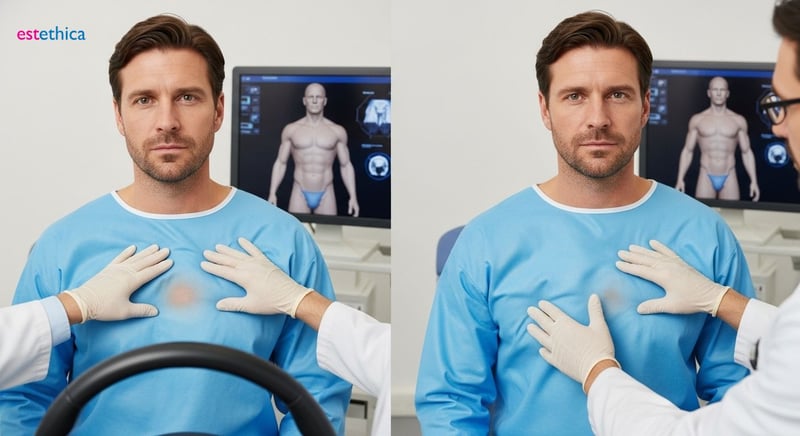
Beyond the Gym: When Exercises Aren't Enough for Male Chest Fat
Exploring Medical Treatments for Gynecomastia
When exercises and lifestyle changes are insufficient, medical treatments can offer effective solutions for gynecomastia. These treatments primarily aim to address the underlying hormonal imbalances that contribute to the condition. Medications such as selective estrogen receptor modulators (SERMs) can help block the effects of estrogen in breast tissue, reducing breast size and discomfort. In some cases, hormone replacement therapy may be considered to restore a more balanced hormonal profile. Medical interventions are typically recommended for men with true gynecomastia, where glandular tissue is the primary cause of breast enlargement. Approximately 30% of gynecomastia cases require medical intervention beyond lifestyle adjustments.
- Selective Estrogen Receptor Modulators (SERMs): These medications block estrogen's effects in breast tissue, reducing breast size and discomfort.
- Hormone Replacement Therapy: Used to restore hormonal balance, particularly in cases where low testosterone levels contribute to gynecomastia.
- Regular Monitoring: Consistent follow-up with a healthcare provider is crucial to monitor treatment effectiveness and manage potential side effects.
The Role of Surgical Consultation and Evaluation
For persistent gynecomastia that does not respond to medical treatments or lifestyle changes, surgical consultation becomes essential. A qualified surgeon can evaluate the extent of glandular tissue and fat, assess skin elasticity, and determine the most appropriate surgical approach. Surgical options range from liposuction to remove excess fat to excision techniques for removing glandular tissue. A thorough evaluation helps ensure realistic expectations and optimal outcomes. It's estimated that 15% of men with gynecomastia eventually seek surgical correction after exhausting other options.
- Comprehensive Evaluation: A surgeon assesses the amount of glandular tissue and fat, skin elasticity, and overall chest contour to determine the best surgical approach.
- Personalized Treatment Plan: The surgeon develops a customized plan based on individual anatomy and goals, ensuring optimal results.
- Realistic Expectations: Consultation helps patients understand the potential outcomes and limitations of surgical intervention.

Gynecomastia Treatment Options: Surgical and Non-Surgical Approaches
Non-Invasive Therapies for Managing Gynecomastia
Beyond surgical intervention, several non-invasive treatments offer viable alternatives for managing gynecomastia, particularly in its early stages or when the underlying cause is hormonal imbalance. Hormone therapy, lifestyle modifications, and innovative techniques like laser lipolysis can provide effective solutions for reducing enlarged male breasts. These approaches aim to address the root causes of gynecomastia, minimize symptoms, and improve overall chest appearance without the need for surgery. Approximately 40% of men with gynecomastia explore non-surgical options before considering surgical intervention.
- Hormone Therapy: Medications like SERMs can help balance hormone levels, reducing breast tissue growth and alleviating discomfort.
- Lifestyle Modifications: Changes in diet and exercise can help manage weight and reduce excess fat, improving chest appearance.
- Laser Lipolysis: This technique uses laser energy to melt and remove excess fat, offering a minimally invasive way to contour the chest.
Exploring the Benefits of Non-Surgical Gynecomastia Treatments
Non-surgical gynecomastia treatments offer several benefits, including reduced risk of complications, minimal downtime, and lower costs compared to surgery. Hormone therapy can effectively address hormonal imbalances, while lifestyle modifications can improve overall health and fitness. Laser lipolysis provides a precise and targeted approach for fat reduction, with minimal scarring and discomfort. These non-invasive options are particularly appealing for men with mild to moderate gynecomastia who prefer to avoid surgery. It's estimated that 60% of men who undergo non-surgical treatments experience noticeable improvement in their chest appearance.
- Reduced Risk of Complications: Non-surgical treatments generally have fewer risks compared to surgical procedures, such as infection, scarring, and asymmetry.
- Minimal Downtime: Most non-surgical options require little to no downtime, allowing men to quickly return to their daily activities.
- Lower Costs: Non-surgical treatments are typically less expensive than surgery, making them a more accessible option for many men.
Advanced Liposuction and Excision Techniques for Male Breast Reduction
estethica employs advanced liposuction techniques to remove excess fat in gynecomastia cases, particularly pseudogynecomastia. Excision techniques are utilized for the surgical removal of glandular tissue and excess skin, ensuring comprehensive correction for severe gynecomastia. A combination of both methods is often employed for optimal results.
estethica's expertise in gynecomastia treatment stems from a deep understanding of hormonal imbalances, genetic predispositions, and lifestyle factors contributing to enlarged male breasts. The medical team is adept at diagnosing and addressing these underlying causes through tailored treatment plans. estethica leverages its forward-thinking service approach to provide solutions that restore confidence and enhance the quality of life for its patients.
Comprehensive Care and Support Throughout the Gynecomastia Treatment Journey
estethica prioritizes patient safety and health without compromising ethical values, ensuring a trustworthy environment for gynecomastia treatment. The clinic provides comprehensive care, including pre-operative evaluations, surgical procedures, and post-operative support. estethica offers various non-surgical options such as hormone therapy, lifestyle modifications, and laser lipolysis, providing tailored solutions for each patient's needs.
Patients at estethica experience noticeable improvement in their chest appearance following gynecomastia treatment, whether through surgical or non-surgical approaches. The hospital's commitment to patient satisfaction is reflected in its positive patient testimonials and high satisfaction rates. estethica aims to minimize the error rate in its services and maximize patient and family satisfaction.
Frequently Asked Questions
What are the primary gynecomastia causes, leading to enlarged male breasts?
What does male breast reduction surgery involve and who is a good candidate?
Are there non-surgical gynecomastia treatment options available?
How does male breast reduction surgery differ from simply losing weight?
What is the typical recovery process after gynecomastia surgery?
Ready for world-class aesthetic and healthcare solutions tailored to your needs?
📞 Call Now for Your Free Consultation!