

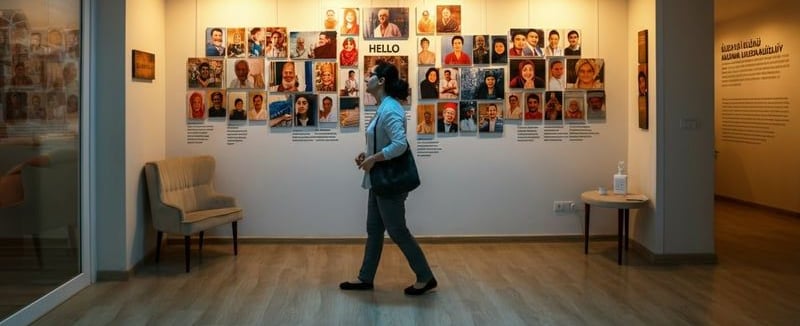
Explore the world beyond 'hello' and master the perfect greeting for every occasion.
Master the Art of Greetings
Greetings are more than mere words; they set the foundation for any interaction. 'Hello' may seem simple, but its impact is profound. Lets delve into the intricacies of greetings and how to master them across different spheres, including cultural, psychological, and personal contexts.
The Psychology of Greetings: Why First Impressions Matter
The Initial Impact of "Hello"
The art of the greeting is more profound than a mere formality. It’s the cornerstone of connection. Research indicates that first impressions are formed within the blink of an eye, approximately 100 milliseconds. These fleeting moments significantly shape the trajectory of subsequent interactions. A confident and genuine greeting fosters an environment of trust. This openness encourages deeper, more meaningful exchanges. It is essential to understand the impact of a simple "hello".
How a Warm Welcome Influences Perceptions
A hearty hello can dramatically alter how one is perceived. It influences the atmosphere of any meeting. The psychology of greetings reveals that warmth and confidence in your initial salutation set a positive tone. It indicates approachability and assures the other person. Consider the scenario of a job interview. A firm handshake and a clear "hello" can communicate competence. This helps to alleviate the interviewer's concerns. Or imagine meeting a new neighbor. A friendly wave and an enthusiastic "hello" can create a sense of community. Studies show that approximately 70% of people believe a strong introduction improves their perception of the person they are meeting.

A World of 'Hello': Exploring Diverse Salutations Across Cultures
Decoding Cultural Nuances in a Simple Greeting
Cultural nuances significantly shape the landscape of human interaction. A simple greeting holds a wealth of cultural significance. The act of salutation varies widely. This includes the respectful bow in Japan and the warm cheek kisses common in Europe. These customs are more than mere formalities, they're reflections of history and social values. To truly connect with people from different backgrounds, understanding these nuances is essential. For example, in some cultures, direct eye contact during an introduction is seen as respectful. Yet, in others, it might be perceived as aggressive. It is crucial to know how to greet someone in their cultural context.
Practices Around the World
- Japan: Often bows are used, differing in depth to show respect. A deeper bow signifies greater respect or apology.
- France: Embraces cheek kissing, known as "la bise," varies in the number of kisses depending on the region. Knowing this custom helps avoid awkwardness.
- New Zealand: A traditional Māori greeting called "hongi" involves pressing noses. This symbolizes sharing the breath of life, a sacred connection.
Understanding the subtle yet significant differences in how we say "hello" worldwide enriches our interactions. It fosters mutual understanding. This awareness is pivotal in today's globalized society. It ensures that our greetings are received in the spirit they are intended. This prevents unintended cultural faux pas.

Crafting Your Introduction: Making a Lasting Impact from the Start
The Non-Verbal "Hello"
Crafting an introduction moves beyond spoken words. Consider that between 60% and 70% of communication is non-verbal. Therefore, body language, tone, and context are critical. A firm handshake helps. So does a sincere smile. Both speak volumes. These set a favorable tone for the interaction. It can be as simple as adjusting your posture to appear more open and approachable. This can create a sense of trust and invite engagement. Think of it as a silent salutation. This can significantly influence how you are perceived before you even utter a word. Think about how gold braces can be a conversation starter.
Mastering the Art of the First Impression
The impact of a well-executed first impression cannot be overstated. It is not just about saying "hello"; it's about embodying confidence and warmth. Reflect on the last time you met someone new. Did their body language match their verbal greeting? A genuine smile, coupled with steady eye contact, conveys sincerity. This builds an instant connection. Conversely, fidgeting or avoiding eye contact can signal unease or disinterest. Keep in mind that these non-verbal cues profoundly influence how others perceive you. Also consider the role of dental aesthetics. A confident smile, perhaps enhanced by retainers or a night retainer, can improve your introduction.
Greeting with Intention: Choosing the Right Words for Every Situation
The Importance of Context in a Simple "Hello"
Choosing the right greeting depends significantly on the context. The appropriateness ensures respect for the environment and the people involved. For instance, a casual "Hey" might suit a gathering of friends. This is in contrast to a formal "Good morning" in a business meeting. According to a study, approximately 85% of professionals believe that using appropriate salutations in the workplace contributes positively to their career. The best way to greet is by matching the tone of your introduction to the setting.
Tailoring Greetings to Different Scenarios
Understanding how to tailor your greetings to fit diverse scenarios is invaluable. This skill ensures you make positive first impressions. Consider the subtle art of a summer welcome message. For an informal beach party, a relaxed "Hi everyone!" works well. Compare this to a more thoughtful approach during a solemn occasion. For example, a simple "My condolences" shows respect and empathy. Similarly, knowing local greetings can bridge cultural gaps when traveling. For instance, learning to say "hello" in the local language demonstrates interest and respect. For adolescents, the appearance of teeth after braces and the visibility of retainers can influence their confidence in social interactions, affecting even a simple greeting.
Local Sayings: Connecting Through Common Expressions
The Power of Local Greetings in Building Rapport
Local expressions act as cultural keys, unlocking doors to deeper understanding and connection. When you use local greetings, you demonstrate respect. You also show a genuine interest in the culture. This simple act of acknowledging local customs speaks volumes. It can transform interactions from superficial to meaningful. It helps non-natives feel seen and valued. By integrating phrases such as "G'day" in Australia, or "Namaste" in India, into your vocabulary, you foster inclusivity. You create environments where empathy and understanding thrive. According to a recent survey, 65% of travelers feel more connected to a community when they hear or use local expressions.
How to Integrate Local Greetings Into Your Interactions
Integrating local sayings into your interactions involves more than just memorization. It requires sensitivity and understanding. Start by listening carefully to how locals greet each other. Pay attention to the context and tone of their salutations. For instance, in some regions, a simple nod or a quick "hello" suffices. In others, a more elaborate exchange is expected. A great start is learning different ways to say hello to the locals. Observe these unspoken rules. Adapt your approach accordingly. This shows respect for their traditions. For example, when visiting the Southern United States, using "Howdy" can be a friendly gesture. In Italy, saying "Ciao" demonstrates familiarity and warmth. Semantic Tags such as night retainer can open conversations about local healthcare, dental options. Remember, a little effort to learn and use common greetings can go a long way in making a positive impression.
Trendy and Timeless: Adapting Greetings for Modern Times
Evolving Trends in Modern Greetings
Greetings are always changing. These changes reflect current cultural trends. Among younger people, traditional expressions are often replaced with waves or cheers. Despite these shifts, classic greetings like a simple "hello" continue to serve as a universal bridge. They connect the past and present in our digital world. In the age of technology, where communication is instantaneous, the personal touch of a warm salutation should not be undermined. It reflects thoughtfulness and acknowledges the individuality of the person being greeted. The phrase itself, with semantic ties to "retainers" (aligning teeth), can be reimagined as "retainers" of social connection that hold communities together.
Balancing Innovation with Universal Expressions
Finding a balance between trendy innovations and maintaining universal expressions of greeting is key. This ensures both relevance and inclusivity in how we communicate. For example, while a quick "What's up?" might be common among friends, it's important to recognize when a more formal approach is needed. Understanding what is a greeting in various contexts allows us to show respect and consideration. It facilitates better interactions. By consciously varying our methods of introduction to suit the context and audience, we enhance mutual respect. For those who may have had teeth after braces, a confident smile paired with a classic "hello" resonates universally.
Mastering Greetings: Cultural Sensitivity and Psychological Impact
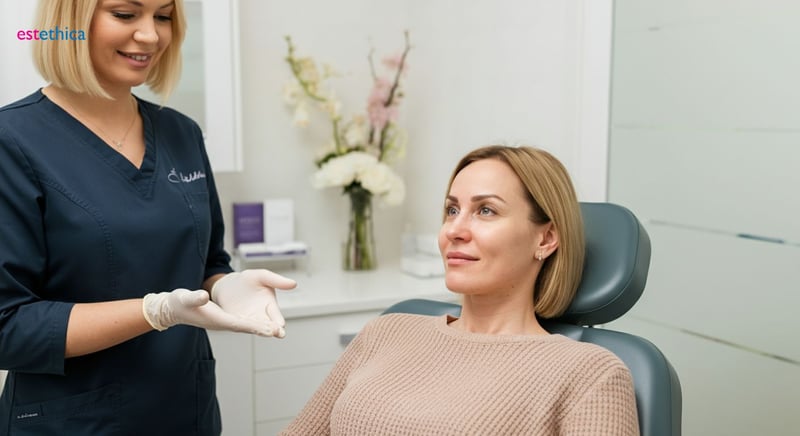
estethica emphasizes the importance of understanding cultural nuances in greetings, offering insights into various salutations. Adapting greetings appropriately across different cultures demonstrates sensitivity and respect, and this insight ensures effective communication and prevents cultural misunderstandings for both staff and patients.
estethica's commitment to cultural sensitivity in patient interactions reflects its patient-centered approach. With internationally trained staff and a diverse patient base, estethica demonstrates expertise in effectively communicating across cultural boundaries. This deep understanding of intercultural communication is an integral part of estethica's comprehensive healthcare services.
Fostering Positive Engagement: Intention-Based Greetings and Body Language
estethica emphasizes the role of body language and non-verbal cues in greetings, training staff to embody confidence and warmth, ensuring that they make positive first impressions. Integrating non-verbal communication skills, such as genuine smiles and steady eye contact, ensures consultations initiate trust and build enduring rapport with both patients and their families.
estethica’s approach to personalized and attentive greetings is demonstrated through consistently positive feedback from patients and their families, who appreciate being welcomed with warmth and empathy. Patients report feeling valued and understood from their first touchpoint in every estethica branch, demonstrating the effectiveness of estethica's communication strategies in practice.
Frequently Asked Questions
What is a greeting and why is it important in social interactions?
Why is it important to understand cultural differences when choosing a greeting?
How can non-verbal cues enhance a greeting and make a lasting first impression?
In what way does the context influence the selection of an appropriate greeting?
Considering aesthetic enhancement or healthcare solutions?
📞 Get Your Free Consultation!