


Discover the beard transplant procedure, learn about facial hair restoration, and find expert surgeons. Achieve fuller, natural-looking results today.
Understanding Beard Transplant for Men with Hair Loss
Hair loss is a concern that often extends beyond the scalp, significantly impacting men's confidence by affecting their facial hair growth. For those experiencing patchy beards, sparse growth, or complete absence of facial hair, a beard transplant offers a transformative solution. This specialized surgical procedure is designed to restore a full, natural-looking beard, addressing issues often stemming from genetic predispositions, hormonal imbalances, or scarring from previous injuries or surgeries.
What is a Beard Transplant?
At its core, a beard transplant for men with hair loss is a sophisticated procedure that utilizes follicular unit transplantation (FUT) or follicular unit extraction (FUE) techniques, commonly used for scalp hair restoration. During the process, healthy hair follicles are carefully harvested from a donor area, typically the back or sides of the scalp where hair growth is typically dense and resistant to thinning. These follicles are then meticulously transplanted, one by one, into the designated areas of the face that require more coverage. The precision involved ensures that the transplanted hairs grow in a natural direction, mimicking the pattern of existing facial hair and creating a seamless, aesthetically pleasing result.
The Process and Benefits
The primary goal of a beard transplant procedure details is not merely to add hair but to reconstruct a complete and harmonious beard line that complements the individual's unique facial structure. For men struggling with insufficient facial hair, this can lead to a significant boost in self-esteem and improve their overall appearance. The transplanted follicles integrate with the skin and continue to grow hair naturally throughout the patient's life, making it a permanent solution. Understanding the intricacies of the beard transplant procedure details is crucial for setting realistic expectations. For those seeking advanced techniques and experienced practitioners, exploring resources like Expert Beard Transplant Surgery with Top Beard Surgeons can provide valuable insights into the expertise required for successful outcomes.
The decision to undergo a beard transplant for men with hair loss is a significant one, offering a viable path for individuals looking to enhance their masculine appearance and regain confidence. This advanced form of hair restoration provides a natural-looking and lasting solution for those affected by various forms of facial hair deficiency. The efficacy of a well-executed beard transplant lies in its ability to restore not just hair, but also a sense of completeness and self-assurance.

Beard Transplant Procedure Details: What to Expect
Undergoing a beard transplant is a significant step for men experiencing beard loss, and understanding the procedure itself is crucial for managing expectations. The process typically involves sophisticated techniques, with Follicular Unit Transplantation (FUT) and Follicular Unit Extraction (FUE) being the most common. FUE is often preferred for its minimally invasive nature; it involves the meticulous extraction of individual hair follicles from a donor area, usually the back or sides of the scalp, using a specialized micro-punch tool. This method results in nearly invisible scarring. Conversely, FUT involves the removal of a thin strip of scalp, from which hair follicles are then carefully dissected under magnification. The choice between FUT and FUE depends on various factors, including the desired density, the patient's hair characteristics, and the total number of grafts required. A skilled Beard Transplant Surgeon: Achieve Fuller Facial Hair will determine the best approach for your specific needs.
The Grafting Process
Once the donor hair is harvested, the surgeon then moves to the recipient area – the beard region. Tiny incisions are made with extreme precision, carefully considering the natural growth patterns of existing facial hair. The surgeon meticulously implants each follicle into these incisions, paying close attention to the angle, density, and direction to ensure a natural and seamless appearance. This intricate work ensures that the new beard hair grows in a way that mimics organic growth, providing a realistic and aesthetically pleasing outcome. The entire beard transplant procedure can extend for several hours, a duration that largely depends on the scope of the transplant and the number of grafts being placed.
Post-Procedure Care and Recovery
Following the surgery, adherence to post-operative instructions is paramount for successful healing and graft survival. Initial side effects are common and may include mild redness and swelling in both the donor and recipient areas. These symptoms typically subside within a few days. Patients will be advised on how to care for the newly transplanted area, including specific washing techniques and avoiding strenuous activity. The initial shedding of transplanted hairs is a normal part of the process. New hair growth typically begins within a few months, and while the initial results might be subtle, the full, final outcome of the beard transplant for men with hair loss is usually noticeable around the 12-18 month mark. Patience during this period is key to appreciating the complete transformation achieved through this effective hair loss solutions for beard.
Find a Beard Transplant Surgeon: Expert Care
Embarking on the journey of a beard transplant is a significant decision, and the success of the procedure hinges critically on selecting the right surgeon. This isn't merely about finding a doctor; it's about entrusting your facial aesthetics to a skilled professional with specialized expertise. When seeking out a surgeon for your beard transplant, prioritize board-certified dermatologists or plastic surgeons who possess a demonstrable track record in facial hair restoration. Their specialized training equips them with the intricate knowledge required for successful follicle implantation, ensuring natural-looking density and growth patterns.
Evaluating Potential Surgeons
A crucial step in finding the ideal surgeon is diligent research. Begin by scrutinizing their qualifications and credentials. Look for surgeons who actively participate in professional organizations related to hair restoration and dermatology. Beyond formal qualifications, their portfolio of before-and-after results is invaluable. Examine these visual examples closely to gauge the surgeon's aesthetic sensibilities and their ability to create a natural, aesthetically pleasing beard. Pay attention to the direction, angle, and density of implanted hairs, as these details are paramount for a convincing outcome in beard transplant for men with hair loss. A surgeon’s understanding of these nuances directly impacts the final appearance, making this a key factor in your decision-making process.
Furthermore, consider the surgeon's communication style and their willingness to address your concerns thoroughly. During your consultation, you should feel comfortable asking detailed questions about the beard transplant procedure details, including the techniques they employ, how they manage the donor area, and what to expect during the recovery phase. Understanding potential risks and the expected timeline for healing is vital. Patient testimonials and online reviews can also offer insightful perspectives on other individuals' experiences, providing a well-rounded view of a surgeon's practice and patient satisfaction. For a comprehensive overview of what constitutes excellent care and desirable outcomes, consider reading Best Beard Transplant: Expert Surgeon & Natural Results.
Choosing an experienced professional committed to natural aesthetics is the cornerstone of a successful beard transplant. It ensures a safe procedure, minimizes risks, and ultimately leads to the fuller, more confident appearance you desire. Remember, this is an investment in your appearance, and taking the time to find the right expert is paramount for achieving optimal results for your beard transplant for men with hair loss.
Sakal Ekimi Explained: Facial Hair Restoration Options
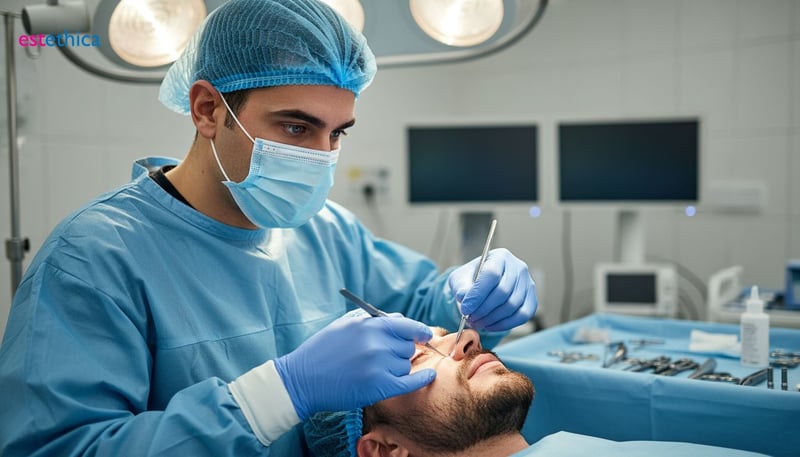
Sakal ekimi, often referred to as beard transplantation, represents a sophisticated approach to addressing concerns related to sparse or absent facial hair. For many men, a full and well-defined beard is a significant aspect of their masculine identity and self-confidence. When natural growth falls short, or when circumstances like scarring or medical conditions lead to beard loss, sakal ekimi emerges as a highly effective and permanent solution. This advanced procedure involves meticulously transplanting healthy hair follicles from a donor area, typically the scalp, to the areas of the face where a fuller beard is desired.
Understanding the Sakal Ekimi Process
The core principle behind sakal ekimi is the transfer of viable hair follicles that retain their genetic predisposition to grow. Surgeons employ refined techniques to extract these follicles, ensuring minimal impact on the donor site and maximum viability for the transplanted grafts. The placement of each follicle is crucial, with experts carefully considering the natural growth direction, density, and angle to achieve an indistinguishable and natural appearance. This personalized approach allows for the creation of a bespoke beard that complements the individual’s facial structure and aesthetic goals. For beard transplant for men with hair loss, this procedure offers a transformative outcome, effectively restoring both appearance and confidence.
The journey doesn't end with the procedure itself. Post-operative care is essential for optimal healing and graft survival. Patients are guided through a recovery period that involves specific instructions to ensure the successful integration of the transplanted hairs. Over the following months, the transplanted follicles begin to shed and then regrow, gradually developing into a natural-looking beard. Sakal ekimi is not merely a cosmetic enhancement; it’s a restorative process that provides lasting results for individuals experiencing various forms of beard loss. If you are considering this option, learning about Expert Beard Transplant: Natural Facial Hair Results can offer valuable insights into achieving successful outcomes. This surgical intervention stands as a premier choice for those seeking comprehensive beard transplant for men with hair loss, providing a robust answer to concerns about facial hair density and coverage.
Achieving Natural and Dense Facial Hair
The success of sakal ekimi hinges on the skill of the surgeon and the meticulous planning involved. A thorough consultation assesses the suitability of candidates, determines the number of grafts required, and maps out the precise design of the desired beard. Modern techniques prioritize density and naturalness, ensuring that the transplanted hair blends seamlessly with existing facial hair. This focus on detail is paramount for effective beard transplant for men with hair loss, transforming sparse patches or complete absence into a full, masculine beard. The outcome of a well-executed beard transplant can significantly boost self-esteem and allow individuals to embrace their desired look with confidence.
Advanced Beard Transplant Techniques for Natural Density
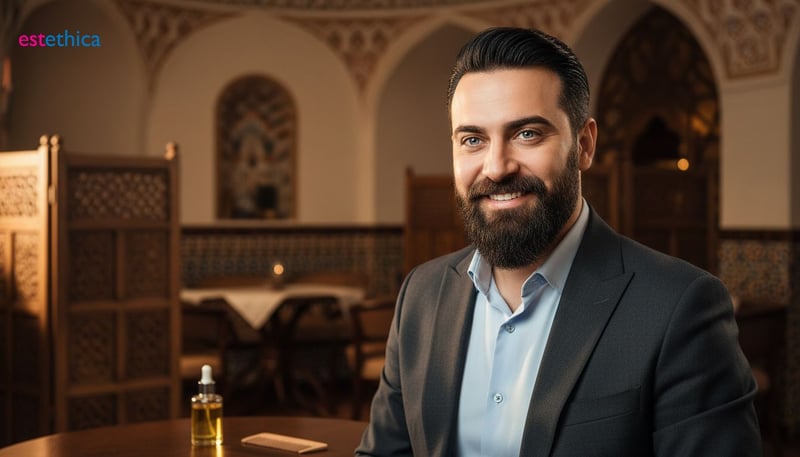
Sakal ekimi, sakal kaybı yaşayan erkekler için en etkili çözümdür. Bu uzmanlık alanı, genetik yatkınlıklar, hormonal dengesizlikler veya yara izleri gibi çeşitli nedenlerle seyrek veya eksik sakal büyümesi yaşayan bireylere yönelik yenilikçi yaklaşımlar sunar.
Doğal ve sık bir görünüm elde etmek amacıyla en son sakal nakli teknikleri kullanılmaktadır. Bu teknikler, greftlerin hassas bir şekilde yerleştirilmesini sağlayarak maksimum yoğunluk ve estetik uyum hedefler.
Erkeklerde sakal sıklığı ve ekim süreci hakkında derinlemesine bilgi sahibi olan uzmanlar, her bireyin yüz yapısına ve beklentilerine en uygun sakal çizgisini oluşturmak için çalışır. Bu, sadece saç eklemek değil, aynı zamanda yüzün genel estetiğini tamamlayan uyumlu bir sakal hattı rekonstrüksiyonu yapmayı amaçlar.
Your Journey to a Confident Beard: Understanding the Sakal Ekimi Process
Sakal ekimi süreci hakkında bilgi sahibi olmak, beklentileri yönetmek ve başarılı bir iyileşme süreci sağlamak için kritik öneme sahiptir. Bu prosedür, donör bölgeden alınan saç köklerinin sakal bölgesine hassas bir şekilde nakledilmesini içerir.
Ameliyat sonrası talimatlara uymak, başarılı bir iyileşme ve greftlerin hayatta kalması için büyük önem taşır. Bu süreçte hasta bilgilendirmesi ve desteği, güvenilir bir deneyimin temelini oluşturur.
Sakal kaybı yaşayan erkekler için sakal ekimi, doğal ve yoğun bir yüz tüyü görünümü elde etmelerini sağlayan etkili bir çözüm sunar. Bu uzmanlık alanı, erkeklerde sakal sıklığını artırmak ve estetik hedeflere ulaşmak için özel olarak tasarlanmış prosedürleri içerir.
Does Knowing How to Lose Face Fat Improve Transplant Results?
When planning for a beard transplant, many men wonder if their facial structure and skin elasticity will impact the final aesthetic outcome. While a beard transplant focuses on the density and placement of hair follicles, understanding how to lose face fat can be a relevant consideration for those seeking a more defined jawline to complement their new facial hair. A sharper, more sculpted face often makes the transition from a patchy beard to a full, thick growth appear more dramatic and intentional.
Achieving a leaner facial appearance is primarily driven by overall body composition rather than spot reduction. Since it is biologically impossible to target fat loss in one specific area, you must approach the process through a comprehensive strategy that influences your entire physique. Incorporating the following habits can help create a more refined canvas for your beard:
- Prioritize a calorie-controlled diet rich in nutrient-dense whole foods to reduce systemic body fat levels.
- Increase your intake of water to minimize water retention, which often manifests as puffiness around the cheeks and neck area.
- Engage in regular cardiovascular exercise to boost your metabolic rate and support fat oxidation throughout the body.
- Focus on strength training to improve body composition, which indirectly supports a more toned facial appearance.
- Ensure you are getting adequate sleep to regulate hormones that influence fat storage and fluid retention.
It is important to note that while learning how to lose face fat can enhance your physical profile, it does not alter the underlying bone structure or the density of your beard follicles. However, reducing excess adipose tissue can make the skin beneath the beard tauter, potentially simplifying the healing process and allowing the surgeon to map out a more precise hairline during the consultation phase. For many patients, the combination of a successful hair restoration procedure and a commitment to a leaner physique provides the most satisfying results. By focusing on your overall health, you ensure that your face remains a clear, well-defined foundation for your newly transplanted beard. Always consult with your surgeon before making drastic changes to your diet or exercise routine during the recovery period, as proper nutrition is vital for graft survival and successful skin healing after the procedure.
