

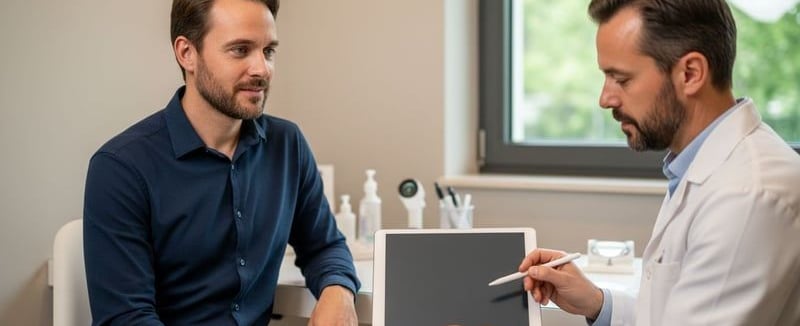
Comprehensive guide to beard transplantation, covering 'sakal ekimi' procedures, solutions for sparse beards, and effective beard restoration techniques for a fuller look.
Are you dreaming of a more robust and defined beard? Many individuals struggle with patchy growth or a naturally sparse beard, affecting their confidence and aesthetic goals. Fortunately, advancements in cosmetic procedures offer effective solutions. This guide delves into the world of beard transplantation, also known as 'sakal ekimi', exploring what it entails, the best techniques for achieving natural-looking results, and how it addresses common concerns like beard thinning. Whether you're considering a 'sakal transferi' for a fuller look or seeking 'beard restoration' services, discover how hair follicle transplant beard procedures can help you achieve your desired facial hair density and appearance.What is Beard Transplant? Understanding Sakal Ekimi
A beard transplant, known in Turkish as sakal ekimi, represents a significant advancement in cosmetic procedures for men seeking to enhance facial hair density and coverage. This sophisticated surgical technique addresses concerns related to sparse or patchy beards, offering a more permanent and natural-looking solution compared to temporary methods. The core principle of sakal ekimi involves harvesting healthy hair follicles from a donor area, typically the back or sides of the scalp where hair is genetically predisposed to resist thinning, and meticulously transplanting them to areas of the face that lack sufficient beard growth.
The process is conceptually similar to hair transplantation performed on the scalp, but it requires a distinct set of specialized skills and techniques. This is due to the unique aesthetic considerations of the beard area and the different texture and growth patterns of facial hair. Surgeons performing a beard transplant must possess a keen artistic eye to ensure the transplanted hairs blend seamlessly with existing facial hair, creating a result that is both dense and aesthetically pleasing, complementing the individual's facial structure. Achieving natural-looking results hinges on the precise extraction of follicular units and their careful implantation at the correct angle and depth.
The Art and Science of Beard Transplantation
Understanding the nuances of sakal ekimi involves appreciating the meticulous planning and execution required. Before the procedure, detailed consultations are held to map out the desired beard density, shape, and hairline. The donor hair is then extracted, often using either the Follicular Unit Transplantation (FUT) or Follicular Unit Extraction (FUE) methods. FUE involves removing individual follicular units, leaving minimal scarring, while FUT involves removing a strip of scalp from which follicular units are then dissected. The choice of technique often depends on the patient's specific needs and the surgeon's expertise.
Following extraction, the follicular units are transplanted into tiny incisions made in the recipient areas of the face. The skill of the surgeon is paramount in placing these grafts to mimic the natural direction and density of existing beard hair. This detailed approach is what sets a successful beard transplant apart. For those considering this transformative procedure, exploring options for Expert Beard Transplant Surgery with Top Beard Surgeons can provide valuable insights into finding qualified professionals dedicated to achieving optimal outcomes. The goal of any beard transplant procedure is not just to add hair, but to create a balanced and robust beard that enhances the overall appearance and confidence of the individual.
Addressing Sparse Beards with Confidence
The journey towards a fuller beard often begins with understanding the possibilities offered by modern surgical techniques. A beard transplant is a viable and often highly effective solution for men experiencing significant beard thinning or complete absence of facial hair in certain areas. The procedure offers a permanent fix, as the transplanted hairs are resistant to the factors that may have caused thinning in the original beard. This makes sakal ekimi a compelling option for individuals seeking long-term improvement. The meticulous attention to detail, from donor site selection to the final implantation, ensures that the results look as natural as possible, fulfilling the desire for a well-defined and dense beard.
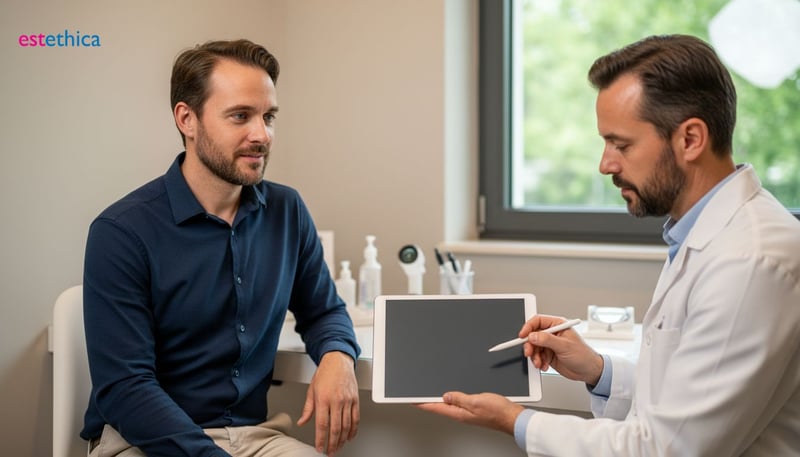
Beard Transplant for Sparse Beards: Effective Solutions
For individuals experiencing significant beard thinning or naturally sparse facial hair, a beard transplant offers one of the most definitive and effective solutions available today. Unlike less direct methods such as topical treatments or lifestyle adjustments, which often yield limited or temporary improvements, a surgical hair transplantation procedure directly addresses the root cause: the absence or inadequacy of hair follicles in specific areas. This advanced technique provides a reliable pathway to achieving a fuller, denser, and more masculine beard appearance.
Addressing the Root Cause of Sparseness
Whether your sparse beard is a result of genetic predisposition, hormonal imbalances, past injuries, or medical conditions, a hair follicle transplantation process can create a visually complete beard. The core principle involves carefully harvesting healthy hair follicles from a donor area, typically the back or sides of the scalp, where hair growth is abundant and genetically resistant to thinning. These grafts are then meticulously transplanted into the areas of the beard that lack density. The success of this procedure hinges on the surgeon's expertise in selecting donor hair that closely matches the existing facial hair in terms of texture, color, and growth pattern, ensuring the results look entirely natural and seamlessly integrated.
The Transplant Process and Natural Results
The artistry involved in a beard transplant extends beyond merely adding hair; it encompasses creating a natural-looking beard line and filling in gaps harmoniously. Surgeons employ advanced methods, such as the Follicular Unit Extraction (FUE) technique, to ensure minimal scarring and rapid recovery. This meticulous approach allows for the creation of a beard that not only looks authentic but also feels natural to the touch. For those seeking a permanent and significant enhancement to their facial hair, a beard transplant represents a transformative option. It is a powerful tool for reshaping beards, defining jawlines, and ultimately restoring confidence by achieving a more desirable aesthetic. This method is a cornerstone in modern beard transplant procedures, providing a lasting solution for common concerns related to facial hair density. For those interested in learning more about the long-term benefits and procedure details, exploring resources like Beard Transplant: Your Permanent Solution for Fuller Facial Hair can offer valuable insights into this effective treatment for sparse beards.
Best Beard Transplant Techniques for Natural Results
Achieving a natural-looking outcome is paramount in any beard restoration procedure. The most effective beard transplant techniques center on the meticulous placement of individual follicular units to perfectly mimic the natural direction, density, and growth pattern of existing facial hair. This artistic and scientific approach ensures that the transplanted hair integrates seamlessly, creating a result that is virtually indistinguishable from naturally grown beard.
Follicular Unit Extraction (FUE) for Precision
The Follicular Unit Extraction (FUE) method is widely regarded as the gold standard for beard transplants. This minimally invasive technique involves extracting individual hair follicles from a donor area, typically the back or sides of the scalp, and then carefully implanting them into the recipient areas of the face. FUE allows for exceptional control over the angle, depth, and direction of each transplanted graft. This precise control is critical for replicating the unique growth characteristics of beard hair, which often grows at various angles and densities across the face. The surgeon's skill in selecting and placing these follicular units, considering the natural flow and coverage desired, is a key determinant of the final aesthetic success. For those seeking a fuller beard, understanding FUE is the first step towards informed decision-making.
The Art of Design and Density
Beyond the technical execution of the FUE procedure, the artistic vision of the surgeon plays an equally vital role. Designing the beard's shape, density, and hairline requires a deep understanding of facial aesthetics and the patient's individual features. The surgeon must carefully plan where to place grafts to create a natural-looking density that complements the face, avoiding an overly uniform or unnatural appearance. Effectively managing the limited supply of donor grafts is also crucial; the best techniques prioritize maximizing coverage in key areas while maintaining a natural density. This thoughtful approach ensures that the beard transplant not only adds volume but also enhances the overall facial profile. If you're interested in learning more about how this procedure can permanently enhance your beard, consider reading Beard Transplant: Achieve a Fuller, Natural-Looking Beard Permanently.
Comparing Techniques for Optimal Results
While FUE is the dominant technique, understanding its nuances and comparing it to other approaches (even if less common for beard transplants) helps appreciate why it's favored for natural outcomes. The core principle remains superior graft placement.
The success of a beard transplant hinges on the synergy between advanced techniques like FUE and the surgeon's artistic expertise. When performed with meticulous attention to detail, the result is a denser, well-shaped beard that enhances the patient's appearance, addressing concerns related to sparse beards effectively. While originally from Turkey, the term 'sakal ekimi' translates to beard transplantation, highlighting the global interest in this procedure for men dealing with sparse beards.
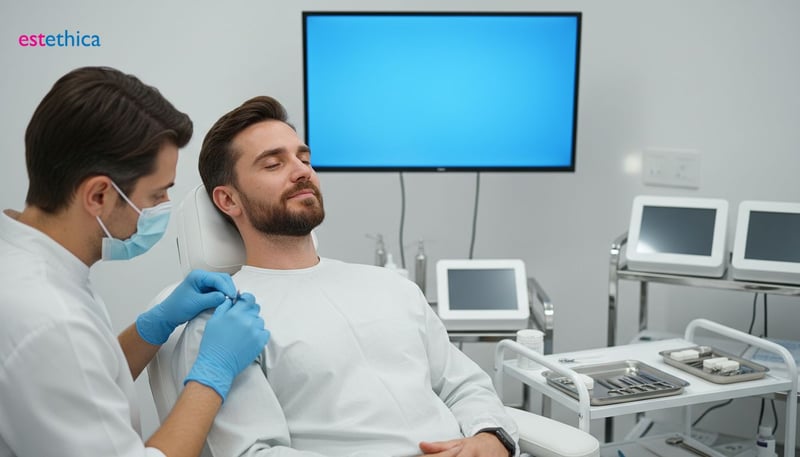
Sakal Transferi: Your Guide to Beard Restoration
Embarking on a journey to achieve a fuller beard often leads individuals to explore advanced procedures like 'sakal ekimi'. This guide aims to demystify the process of beard restoration, covering the essential steps from your initial consultation through to the critical post-operative care. Understanding this procedure is key for anyone seeking effective solutions for beard thinning.
The Consultation and Planning Phase
The first step in any successful beard transplant procedure is a thorough consultation. This is where your suitability for the treatment is assessed, and your aesthetic aspirations are discussed in detail. A skilled surgeon will evaluate the availability of donor hair on your scalp and discuss the most appropriate surgical techniques. For many, understanding Beard Transplant Surgeon: Achieve Fuller Facial Hair is crucial at this stage to ensure you are choosing a qualified professional. The number of grafts needed to achieve your desired look will be determined, ensuring a personalized treatment plan is created. This phase is fundamental to setting realistic expectations and planning for the best possible outcome for your beard transplant.
The Procedure and Recovery
Beard transplantation typically employs advanced techniques, with Follicular Unit Extraction (FUE) being a common and effective method. This minimally invasive approach ensures that individual hair follicles are extracted from the donor area and carefully implanted into the areas of the beard requiring density. Once the procedure is complete, meticulous post-operative care is paramount. Following the surgeon's instructions is vital for proper healing and the successful integration of the transplanted follicles. Patience is key, as the transplanted hairs will often shed within the first few weeks. This is a normal part of the process, preceding the emergence of new, permanent growth. It typically takes around three to four months for new growth to become noticeable, and the full, final results of your beard transplant can be expected to mature over twelve to eighteen months. This transformative process offers a permanent enhancement, addressing concerns related to sparse beards effectively. It represents one of the most reliable beard transplant for sparse beards available today.
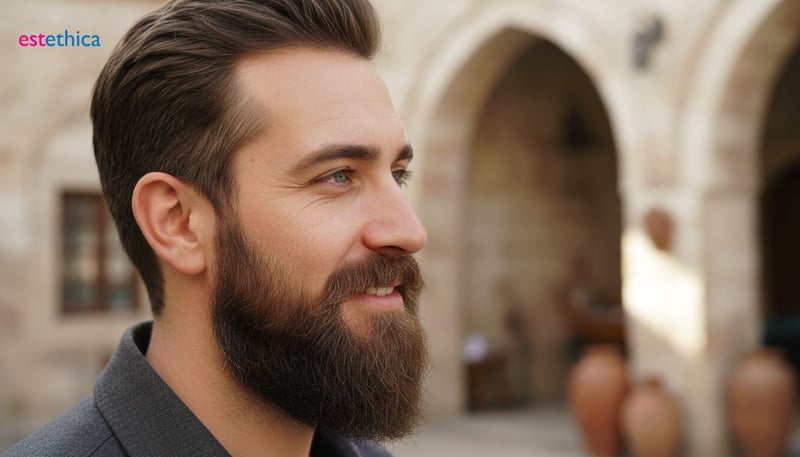
Mastering Sakal Ekimi: Advanced Techniques for Natural Beard Density
Expertise in beard transplantation, known as sakal ekimi, involves the precise harvesting and placement of healthy hair follicles to achieve optimal facial hair density and coverage. This specialized procedure requires a deep understanding of facial anatomy and aesthetic design for natural-looking results.
We employ advanced techniques like Follicular Unit Extraction (FUE) for meticulous beard restoration, ensuring minimal discomfort and excellent graft survival. Our focus is on delivering a fuller, more defined beard that harmonizes with your unique facial structure.
Our team possesses extensive experience in sakal ekimi, combining surgical skill with an artistic eye to address concerns like sparse beards and beard thinning. We are dedicated to providing effective solutions and guiding you through every step of your beard restoration journey.
Your Guide to Beard Restoration: The Sakal Transferi Process
The journey towards a fuller beard often begins with understanding the possibilities offered by modern surgical techniques in sakal transferi. We prioritize a transparent and supportive process, from initial consultation to post-procedure care.
Our comprehensive guide to beard restoration ensures you are well-informed about the consultation, planning, procedure, and recovery phases. We are committed to achieving a natural-looking outcome, making your trust in our expertise paramount.
Clients seeking effective solutions for beard thinning and patchy growth find a reliable partner in our advanced sakal ekimi services. The artistry involved in a beard transplant extends beyond merely adding hair; it encompasses creating a natural-looking beard line and filling in gaps harmoniously, leading to high client satisfaction.