


Navigate your bariatric surgery journey with confidence. Understand recovery timelines, essential NICE guidelines, and patient expectations for successful weight loss surgery.
Embarking on the path to significant weight loss through bariatric surgery is a major life decision. Understanding the recovery process, including the typical bariatric bypass surgery recovery time, is crucial for a successful outcome. This guide delves into what patients can expect, drawing on current obesity surgery standards and the latest NICE bariatric surgery guidelines. We aim to provide a comprehensive bariatric surgery patient guide to help you navigate your journey with confidence, from pre-operative preparation through to post-operative milestones. Discover essential information on managing your recovery timeline and understanding the care you should receive.Gastric Bypass Recovery: Understanding the Timeline
Embarking on the journey of bariatric surgery, specifically gastric bypass, involves a significant period of recovery that demands careful attention and strict adherence to medical advice. This phase is crucial for ensuring optimal healing and long-term success after your procedure. Understanding the expected timeline can help manage expectations and prepare for the changes ahead.
The Immediate Post-Operative Period
Following your gastric bypass surgery, you can anticipate spending a few days in the hospital. During this initial stay, the primary focus is on your safety and comfort. Healthcare professionals will closely monitor your vital signs, manage any post-operative pain, and begin the reintroduction of fluids. This diet typically starts with clear liquids, gradually advancing as your digestive system tolerates it. This controlled progression is a vital first step in the bariatric bypass surgery recovery time. The goal is to allow your surgical sites to begin healing without overwhelming your new stomach pouch and intestinal bypass. Patients often feel tired and may experience some discomfort, which is normal and typically managed with prescribed medications.
Advancing Through the Diet and Activity Levels
As you move past the initial hospital stay, the dietary advancements continue. The next stages usually involve moving from clear liquids to full liquids, followed by pureed foods, and then soft, easily digestible solids. Each transition is carefully timed to ensure your body is ready. For those wondering about bariatric bypass surgery recovery time, returning to light daily activities can often happen within one to two weeks. However, it is imperative to avoid strenuous exercise, heavy lifting, and demanding physical exertion for at least four to six weeks. Listening to your body during this time is paramount; pushing yourself too soon can hinder healing. Regular follow-up appointments with your surgical team are non-negotiable during your bariatric bypass surgery recovery time. These visits are essential for tracking your progress, assessing your healing, and addressing any questions or concerns that may arise.
While the initial weeks focus on physical healing, you will likely notice significant improvements in your energy levels and mobility as time progresses. This period marks the beginning of your transformation, supported by the framework of comprehensive post-operative care. For further insights into navigating this journey, consider exploring the detailed information available in our Bariatric Surgery: Recovery & Guidelines for a Healthier You. This resource offers a broader perspective on what to expect and how to best manage your recovery following bariatric surgery.

NICE Bariatric Surgery Guidelines for Patients
The National Institute for Health and Care Excellence (NICE) plays a crucial role in setting the standards for bariatric surgery in the UK. Their comprehensive guidelines ensure that patients undergoing these procedures receive appropriate care, from initial assessment to long-term follow-up. These obesity surgery standards are designed to maximize the benefits and minimize the risks associated with surgical weight loss interventions.
Patient Selection and Multidisciplinary Care
Central to the NICE bariatric surgery guidelines is the careful selection of patients. These recommendations typically specify body mass index (BMI) thresholds and the presence of obesity-related health conditions, often referred to as comorbidities, as key criteria for eligibility. It is not just about the numbers, however. NICE emphasizes a holistic, multidisciplinary approach. This means that a team of healthcare professionals, including surgeons, specialist nurses, dietitians, and psychologists, works collaboratively. Their combined expertise ensures that patients are thoroughly assessed before surgery, receive comprehensive support during their recovery, and are guided through the necessary lifestyle changes for sustained success. This integrated care model is fundamental to achieving the best possible outcomes after bariatric surgery.
Importance of Long-Term Follow-Up
The journey doesn't end with the operation itself. The NICE bariatric surgery guidelines strongly advocate for robust, long-term follow-up care. This ongoing support is vital for monitoring the patient's progress, including their weight loss trajectory, nutritional status, and overall health. Regular check-ups allow healthcare providers to identify and address any potential complications early, manage any deficiencies, and provide continued encouragement and guidance. Understanding the expected bariatric bypass surgery recovery time involves recognizing that this is a significant life change, and continuous support is key. For more in-depth information on the recovery process and general guidelines, you can refer to our resource on Bariatric Surgery: Understanding Recovery & Guidelines. Adhering to these guidelines ensures that individuals embarking on this path have the best chance for a healthier future, optimizing the benefits of bariatric bypass surgery recovery time and beyond. The emphasis on a structured approach to bariatric bypass surgery recovery time helps manage expectations and promotes adherence to post-operative protocols.
Bariatric Bypass Surgery Recovery Time Insights
Understanding the bariatric bypass surgery recovery time is crucial for setting realistic expectations and ensuring a smooth transition back to daily life. While the initial hospital stay is typically short, often just a few days, the full healing and adaptation process extends over several months. The first few weeks post-operation are primarily focused on allowing surgical sites to heal and for your digestive system to adjust to its new anatomy. Patients often notice significant initial weight loss, which can be a powerful motivator, but it underscores the importance of diligent nutritional management during this sensitive period.
The journey of bariatric surgery recovery is phased. Initially, mobility is gradually increased, and patients progress through liquid, pureed, and soft food diets. As healing progresses, the diet slowly expands, always emphasizing nutrient-dense foods. It is vital to adhere strictly to dietary recommendations and to stay adequately hydrated. The long-term success of bariatric bypass surgery recovery time hinges on consistent adherence to lifestyle changes, including diet, exercise, and prescribed vitamin and mineral supplementation. Patients must attend all scheduled follow-up appointments with their surgical team. These check-ins are essential for monitoring progress, addressing any concerns, and ensuring that recovery is proceeding optimally according to established nice bariatric surgery guidelines.
Phases of Recovery and Key Milestones
The bariatric bypass surgery recovery time can be broadly categorized into initial, intermediate, and long-term phases. The initial phase (first 1-2 weeks) involves managing post-operative discomfort, focusing on hydration, and adhering to a very restricted diet. By the intermediate phase (weeks 2-8), many patients can return to work and gradually increase their physical activity, while continuing to refine their diet. The long-term phase, extending beyond three months, is characterized by sustained weight loss and the establishment of healthy long-term habits. For comprehensive details on what to expect, patients can refer to resources like Bariatric Surgery: Recovery Times & Guidelines. These guidelines often align with the principles outlined in nice bariatric surgery guidelines, ensuring a standard of care focused on patient safety and successful outcomes.
Factors Influencing Recovery
It's important to recognize that individual experiences with bariatric surgery recovery can vary significantly. Factors such as age, pre-existing health conditions, the specific surgical technique employed, and, critically, the patient's commitment to post-operative care all play a role in determining how long does bariatric bypass surgery recovery time take. Proactive engagement with the healthcare team and a thorough understanding of the recovery process are key to achieving the best possible results.
Obesity Surgery Standards and What to Expect
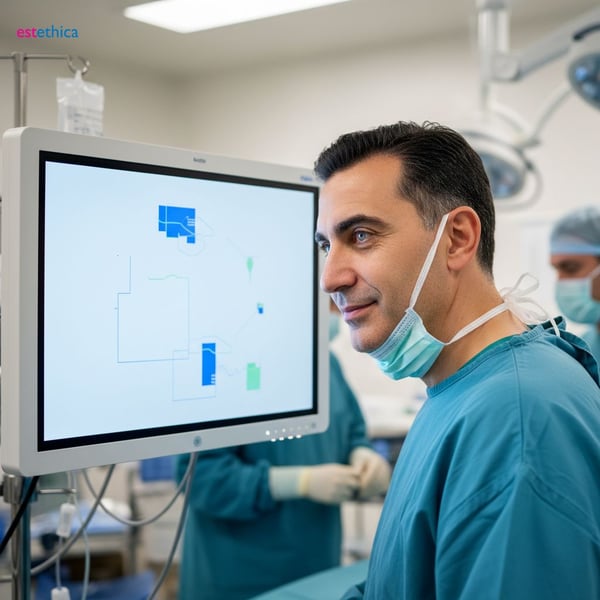
Adhering to established protocols is paramount for patient safety and achieving successful long-term outcomes after bariatric surgery. These standards encompass every stage of the patient's journey, from the initial consultation to the comprehensive post-operative care plan. Patients can anticipate a rigorous pre-operative evaluation designed not only to identify the most suitable surgical option but also to ensure they are both psychologically and physically prepared for the significant changes ahead. This thorough assessment is a cornerstone of effective bariatric surgery, laying the groundwork for a positive experience and optimal results. Following the directives of the NICE bariatric surgery guidelines provides a framework for best practices.
The Pre-Operative Journey and Post-Surgery Adjustments
Before undergoing any bariatric procedure, a multidisciplinary team will meticulously assess your health status, lifestyle, and readiness for surgery. This often involves consultations with surgeons, dietitians, and mental health professionals. The goal is to create a personalized plan that maximizes your chances of success and minimizes risks. Post-surgery, the focus critically shifts to fundamental lifestyle modifications. These are not merely suggestions but integral components of sustained weight loss and improved overall health. Expect a significant emphasis on dietary changes, learning to consume nutrient-dense foods in smaller portions, and incorporating regular physical activity into your daily routine. This transformation requires commitment, patience, and ongoing self-care.
Furthermore, a comprehensive Bariatric Surgery: Recovery & Your Guide will often highlight the profound importance of emotional and social support systems. Many individuals find that connecting with support groups or engaging in counseling can significantly enhance their adjustment to life after bariatric surgery. Navigating the physical and emotional landscape of recovery is a journey that is often made smoother with a strong support network. Understanding the nuances of bariatric bypass surgery recovery time is key to setting realistic expectations. The benefits of these procedures, when undertaken with diligent adherence to established protocols and a commitment to long-term lifestyle changes, are substantial and life-altering, aligning with the principles outlined in the NICE bariatric surgery guidelines.

Comprehensive Bariatric Surgery Recovery Guide: NICE Guidelines & Gastric Bypass Expertise
This guide offers in-depth insights into the bariatric surgery recovery process, with a specific focus on gastric bypass. We meticulously detail the expected bariatric bypass surgery recovery time, helping patients understand the journey from immediate post-operative care through to long-term adjustments.
Our content emphasizes the critical adherence to medical advice required during the significant recovery period following bariatric surgery, particularly gastric bypass procedures. We cover essential aspects of navigating dietary advancements and activity level progressions to ensure optimal healing.
Drawing upon current obesity surgery standards and the latest NICE bariatric surgery guidelines, this resource serves as a comprehensive bariatric surgery patient guide. We aim to equip individuals with the knowledge necessary to manage their recovery timeline with confidence and understand the expected standards of care.
Your Trusted Bariatric Bypass Recovery Timeline: Expert Insights and Patient Expectations
Understanding the bariatric bypass surgery recovery time is essential for setting realistic expectations and facilitating a seamless transition back to daily life. We provide detailed insights into the distinct phases of recovery and the key milestones patients can anticipate, covering the immediate, intermediate, and long-term periods.
Factors influencing individual recovery are thoroughly examined, acknowledging that each patient's journey is unique. This detailed approach ensures that our bariatric surgery patient guide builds trust by offering personalized context within established recovery frameworks.
Patients embarking on the journey of bariatric surgery, specifically gastric bypass, can anticipate a significant recovery period that requires dedicated attention and strict adherence to medical advice. Our comprehensive approach, informed by the latest NICE guidelines and obesity surgery standards, ensures that you are well-prepared for the changes and challenges ahead.
The immediate post-operative period involves a short hospital stay focused on initial healing and monitoring. As you progress, dietary advancements and increased activity levels are carefully managed, guiding you through each stage of the bariatric bypass surgery recovery time. The significant improvements in energy levels and mobility that occur over time are a testament to the effectiveness of following these established recovery pathways.