


Explore effective hair loss treatment for men, including surgical restoration and non-surgical therapies. Learn about modern solutions for hair regrowth today.
Hair loss treatment for men encompasses various dermatological therapeutics designed to stabilize androgenetic alopecia and stimulate follicular activity. These interventions range from non-surgical pharmacological approaches to advanced surgical restoration techniques, each tailored to address specific stages of hair thinning. Understanding the underlying mechanisms of hair loss is essential for selecting the most effective management strategy for individual needs.
Understanding the Causes of Male Pattern Baldness
Male pattern baldness, or androgenetic alopecia, stems from a complex interaction between genetic predisposition and hormonal sensitivity. Research confirms that hair follicles in susceptible individuals react to dihydrotestosterone (DHT), a derivative of testosterone, which triggers follicular miniaturization2. This process forces hair follicles to gradually shrink, producing shorter and thinner strands until they eventually cease growth entirely3.
Heredity serves as the primary driver for this condition, with studies indicating that genetics account for approximately 80% of the predisposition to hair loss5. Rather than following a simple inheritance model, this susceptibility typically adheres to a polygenic pattern, meaning multiple genes influence the likelihood and severity of the balding process1. estethica Global emphasizes that identifying these biological markers is essential for developing effective hair loss solutions.
The Role of Hormones and Genetics
The enzyme 5-alpha-reductase acts as a driver by converting testosterone into DHT within the scalp tissues5. improve levels of this enzyme, combined with a higher density of androgen receptors in specific scalp areas, accelerate the progression of hair loss in men2. Because androgens are present in all men, those with an inherited sensitivity to DHT experience the most significant follicle degradation over time4.

Advanced Hair Restoration Techniques at Estethica Global
Modern surgical hair restoration focuses on relocating healthy hair follicles from donor areas to thinning regions, addressing the underlying genetic sensitivity of scalp follicles to dihydrotestosterone (DHT)2. According to research, at estethica Global, specialists use advanced methodologies like FUE and DHI to ensure natural-looking results and high graft survival rates. These procedures are designed to restore density while maintaining a natural hairline, adhering to strict medical standards for patient safety and care.
Follicular miniaturization in male pattern hair loss is caused by an inherited sensitivity of scalp hair follicles to normal levels of circulating androgens3. By employing refined instruments, surgeons at estethica Global achieve precise placement, which is critical for the aesthetic outcome of the procedure. Patients often observe that the recovery process is manageable when following professional aftercare protocols, as the focus remains on achieving long-term hair follicle restoration through evidence-based surgical practices that prioritize the integrity of both the donor and recipient sites.
Precision and Long-Term Results
Heredity accounts for approximately 80% of the predisposition to baldness, making surgical intervention a reliable solution for those experiencing androgenetic alopecia5. The team at estethica Global emphasizes a strategic approach to graft distribution, ensuring that the density of the transplanted hair mimics natural growth patterns. This careful attention to detail helps patients achieve lasting results that effectively counteract the progressive nature of hair thinning.
Comparing Sapphire FUE and DHI Hair Transplant Results
Genetic predisposition and androgen sensitivity drive the follicular miniaturization characteristic of male pattern baldness, often requiring surgical intervention to restore density1. estethica Global use Sapphire FUE and DHI techniques to address these DHT-sensitive areas, ensuring that each transplanted follicle is placed with high precision to combat the effects of improve 5-alpha reductase activity3. By selecting the appropriate method based on scalp laxity and hair caliber, specialists achieve natural-looking hair transplant results that account for the patient's unique androgen receptor profile4.
Sapphire FUE relies on blades made from synthetic sapphire, which allow for smaller, cleaner incisions compared to traditional steel blades. This refinement reduces tissue trauma during the channel creation phase, help a smoother healing process for patients with larger areas of thinning5. Conversely, DHI employs a proprietary implanter tool that combines the creation of the recipient site and the insertion of the graft into a single motion, minimizing the time follicles spend outside the body.
Selecting the Optimal Restoration Path
estethica Global evaluates individual scalp characteristics to determine which technique offers the most reliable outcome for long-term hair restoration. Because androgenetic alopecia is a genetically predetermined disorder, successful treatment depends on both the surgical skill of the practitioner and the biological response of the recipient site to the transplanted DHT-resistant follicles2. Patients benefit from a personalized consultation to determine if the high-density capacity of Sapphire FUE or the precision-focused nature of DHI better match their specific aesthetic goals.
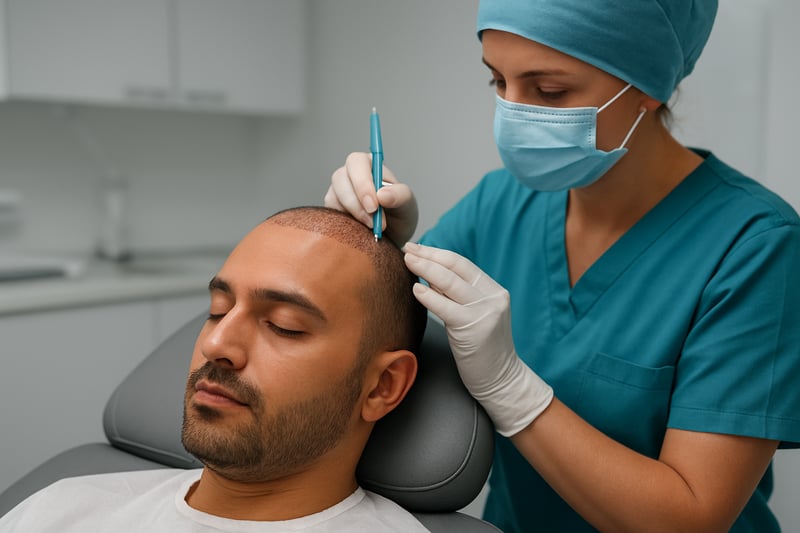
Essential Hair Transplant Recovery Timeline and Aftercare
Successful hair restoration relies heavily on the post-operative period, where the scalp requires specific protection to ensure graft survival. During the first 72 hours, patients should sleep in an upright position to minimize facial swelling and avoid any direct contact with the recipient area. Since male pattern hair loss is often driven by androgen sensitivity and dihydrotestosterone (DHT) activity in the scalp 2, keeping the area clean and free from environmental irritants is vital for the stabilization of the newly implanted follicles.
The healing process typically involves the formation of small crusts around the grafts, which usually shed naturally within seven to ten days. While some temporary shedding of the transplanted hair occurs as part of the normal growth cycle—a phenomenon often misunderstood as graft failure—the underlying follicles remain securely anchored 3. estethica Global recommends avoiding strenuous physical activity and direct sun exposure for at least two weeks to prevent inflammation and ensure optimal blood circulation to the scalp, which supports the regeneration of hair tissue.
Long-Term Growth and Monitoring
Visible hair growth typically begins between the third and fourth month, with a steady increase in density as the hair shafts thicken over the following year. Because heredity accounts for approximately 80% of the predisposition to baldness 5, patients should attend scheduled follow-up appointments with estethica Global to evaluate the progress of their results. These assessments allow medical teams to monitor the health of the scalp and provide personalized guidance on maintenance treatments to maximize the longevity of the transplant.
Non-Surgical Alternatives Including Mesotherapy and Stem Cell Therapy
Hair mesotherapy provides a targeted approach for men experiencing early-stage thinning by injecting nutrient-rich solutions, vitamins, and minerals directly into the dermis. This procedure enhances scalp microcirculation and revitalizes follicular health, which is essential given that androgenetic alopecia is often driven by a genetically predetermined sensitivity to dihydrotestosterone (DHT) 2. By delivering these therapeutic agents locally, estethica Global helps patients maintain existing hair density and slow the progressive miniaturization of follicles.
Stem cell therapy for hair loss use regenerative factors to stimulate dormant hair follicles and encourage tissue repair within the scalp. Since follicular miniaturization is directly linked to an increased abundance of androgen receptors and heightened 5-alpha reductase activity in balding areas 3, these regenerative treatments aim to counteract the cycle of hair loss at a cellular level. Patients often integrate these advanced options into their broader hair loss management plans to optimize the environment for hair regrowth.
Clinical Considerations for Scalp Health
Specialized consultations at estethica Global allow experts to assess whether a patient's hair loss profile is suitable for non-surgical interventions based on their unique hormonal and genetic background. Because heredity accounts for approximately 80% of the predisposition to baldness 5, these therapies are most effective when started early to preserve the integrity of the hair follicles before they reach a state of complete atrophy. A tailored approach ensures that every treatment phase match the patient's specific health profile and long-term aesthetic goals.
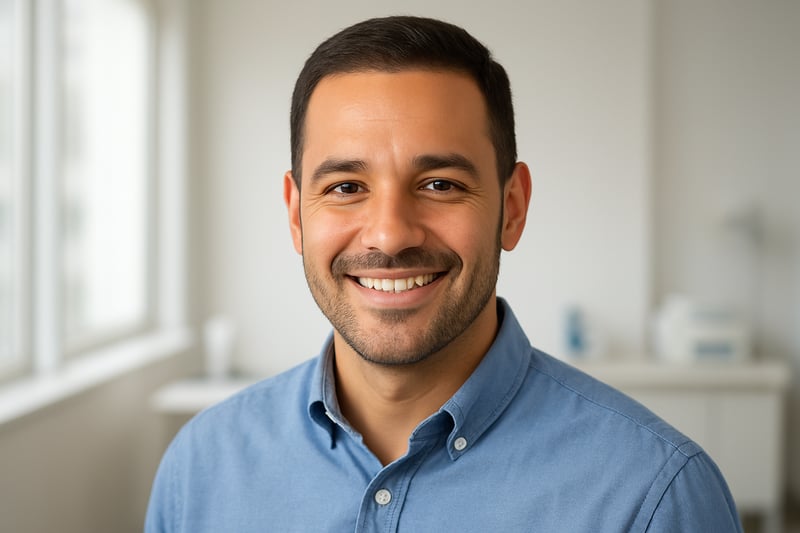
Clinical Methods and Follicular Restoration Technologies
Operational Standards and Post-Procedural Care
Frequently Asked Questions
Who is not a suitable candidate for surgical hair restoration?
What is the typical hair transplant recovery timeline after surgery?
How does hair mesotherapy for men differ from surgical procedures?
Is stem cell therapy for hair loss a permanent solution for thinning?

Ready to Restore Your Hair?
Understand your hair loss stage and explore proven treatment options tailored to your needs.
References
Superscript numbers in the content correspond to the references listed below.
- PubMed — Genetic analysis of male pattern baldness and the 5alpha-reductase genes
- NCBI Bookshelf (NIH) — Androgenetic Alopecia - StatPearls
- PMC (NIH) — Cause of Androgenic Alopecia: Crux of the Matter
- MedlinePlus Genetics (NIH) — Androgenetic alopecia: MedlinePlus Genetics
- Endotext (NCBI Bookshelf, NIH) — Male Androgenetic Alopecia