


Learn about the abdominoplasty recovery process, including post-op care, pain management, and healing timelines for optimal results after your procedure.
The abdominoplasty recovery process is the structured period of healing following a surgical procedure to remove excess skin and fat from the abdominal area. This phase involves managing physical changes, adhering to post-operative protocols, and allowing the body to remodel tissues effectively. Understanding these stages helps patients navigate their healing journey with realistic expectations and proper care.
Understanding the Abdominoplasty Procedure Guide
An abdominoplasty, commonly known as a tummy tuck, is a surgical intervention designed to tighten abdominal muscles and remove redundant skin. The procedure addresses concerns such as skin laxity and muscle separation, often resulting from significant weight fluctuations or pregnancy. During the initial consultation at estethica Global, surgeons evaluate the patient's anatomy to determine the most appropriate surgical approach, such as a full or mini-abdominoplasty.
The surgical technique involves making an incision, typically along the lower abdomen, to access the underlying musculature. Surgeons repair the rectus abdominis muscles and excise excess tissue before closing the incision with precision. This intervention requires careful planning by the team at estethica Global to ensure the abdominal contour matches the patient's aesthetic goals.
Surgical Considerations and Recovery
Patients undergoing an abdominoplasty must adhere to strict activity restrictions during the initial phase of their recovery. According to clinical guidelines, individuals should avoid lifting, straining, or engaging in strenuous tasks for the first six weeks following the procedure3. Also, patients are advised to refrain from participating in any sports for at least eight weeks to allow for proper tissue healing.
The use of post-operative compression garments remains a subject of clinical study regarding their impact on recovery metrics. While some evidence suggests a potential reduction in seroma development, other findings indicate that patients who forgo these garments may experience less subcutaneous edema after 24 days1, 2. Specialists at estethica Global provide personalized guidance on garment usage based on individual healing progress and surgical requirements.
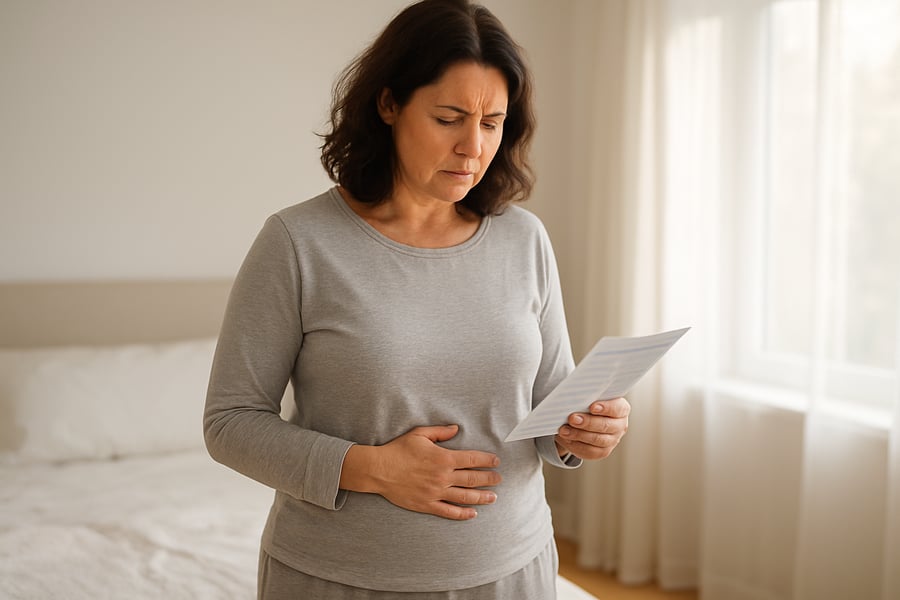
Essential Post-Op Care for Estethica Global Abdominoplasty Recovery
Following an abdominoplasty procedure, patients receive tailored instructions from the medical team at estethica Global to help healing and minimize potential complications. Maintaining the cleanliness and dryness of the incision site is vital during the early recovery phase to prevent infection and ensure optimal scar maturation. Surgeons typically emphasize that proper wound management directly influences the final aesthetic outcome of the abdominoplasty.
Compression garment therapy is a foundational component of the recovery protocol at estethica Global to support the abdominal wall and reduce tissue edema. While some clinical evidence suggests that prolonged garment use might influence subcutaneous edema formation2, these garments remain essential for promoting proper skin adherence to underlying tissues1. Patients should strictly follow the specific wear schedule provided by their surgical team to balance comfort with therapeutic requirements.
Physical activity must be strictly limited during the initial weeks to prevent unnecessary tension on the surgical site. According to clinical standards, patients should avoid lifting, straining, or engaging in strenuous tasks for the first six weeks, and refrain from sports for at least eight weeks post-surgery3. Consistent follow-up appointments at estethica Global allow medical professionals to monitor healing progress and address individual recovery concerns promptly.
Managing Pain and Reducing Swelling During Healing
Effective pain management following an abdominoplasty procedure relies on a consistent medication schedule and adherence to activity restrictions. Patients often benefit from staying in a slightly flexed position while walking to reduce tension on the abdominal incision site, which helps minimize discomfort during the initial recovery phase. Medical professionals at estethica Global emphasize that avoiding strenuous tasks, heavy lifting, and intense physical activities for at least eight weeks is essential to prevent complications and support proper tissue healing3.
Swelling, or tissue edema, is a natural response to the surgical process, and its management involves a combination of compression therapy and gentle movement. While compression garments are frequently used to provide support, some clinical observations suggest that individual recovery patterns vary, with some patients noting less edema formation over time without constant garment wear2. Regardless of the specific compression protocol, estethica Global recommends light, frequent movement to improve circulation and reduce the risk of fluid accumulation.
Monitoring the surgical site for signs of irritation or excessive tension ensures that the healing process remains on track. Proper wound care protocols, combined with adequate hydration and rest, help the body transition through the various stages of recovery. Patients should consult their medical team at estethica Global to determine the most appropriate balance of support and mobility based on their specific abdominoplasty results.
Postoperative Management Options
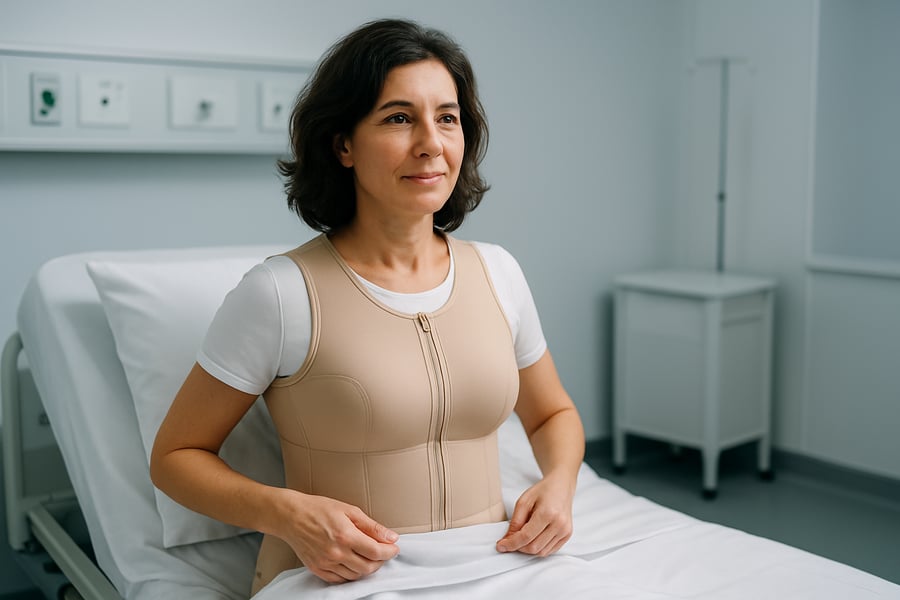
Optimizing Your Tummy Tuck Recovery Timeline
The abdominoplasty procedure requires a structured recovery approach to help proper healing of the abdominal wall and underlying tissues. During the initial six weeks, patients must exercise extreme caution, specifically avoiding heavy lifting, straining, or any strenuous physical activities that could compromise the surgical site3. estethica Global emphasizes that following these movement restrictions is essential to prevent complications and ensure the integrity of the repair.
Post-operative support, such as the use of compression garments, remains a topic of clinical discussion regarding its impact on edema and seroma formation. While some evidence suggests that compression can influence subcutaneous edema levels over several weeks, the specific needs of each patient vary 1, 2. Surgeons at estethica Global provide personalized guidance on whether these garments are necessary based on individual healing progress and specific surgical techniques used during the abdominoplasty.
Returning to Physical Activity
Resuming sports and high-intensity exercise is generally discouraged for at least eight weeks following an abdominoplasty to allow the abdominal muscles to stabilize securely3. Patients should focus on short, gentle walks during the early stages of recovery to promote circulation while avoiding any movements that pull on the incision. Once cleared by the medical team at estethica Global, individuals can gradually increase their activity levels, ensuring they prioritize comfort and listen to their body’s signals throughout the transition back to a normal routine.
Long-Term Results and Tummy Tuck Before and After Expectations
Achieving lasting satisfaction after an abdominoplasty procedure depends heavily on maintaining a stable body weight and adopting a consistent fitness routine. While the surgery effectively tightens abdominal muscles and removes excess skin, significant weight fluctuations post-surgery can compromise the surgical outcome by stretching the skin and abdominal wall tissues again. Patients choosing estethica Global for their abdominoplasty benefit from thorough post-operative care plans designed to help sustain these aesthetic improvements for the long term.
Scar maturation follows a gradual timeline, often requiring up to a year or more for the incision line to reach its final appearance. Proper wound management and protection from ultraviolet rays are vital during this period to ensure the scar settles into a thin, pale line. Although compression garments are frequently recommended to manage edema, individual recovery needs vary, and some studies suggest that excessive reliance on these garments can occasionally impact subcutaneous fluid dynamics2.
Managing Recovery Milestones
Adhering to strict physical activity guidelines is important during the initial months to protect the integrity of the abdominal repair. Patients must avoid heavy lifting, straining, or intense sports for at least eight weeks following the abdominoplasty to prevent complications and ensure optimal healing3. Following the personalized recovery protocols provided by estethica Global helps patients navigate these milestones safely, allowing the body to stabilize and the final contour to emerge naturally.

Surgical Methods and Recovery Protocols
Post-Operative Care and Safety Standards
Frequently Asked Questions
Who is not considered an ideal candidate for an abdominoplasty procedure?
What steps should I take to prepare my home for the tummy tuck recovery period?
How does an abdominoplasty differ from traditional liposuction in terms of results?
Is it true that the abdominoplasty recovery process requires long-term lifestyle changes?

Ready to plan your abdominoplasty recovery?
Get professional guidance tailored to your specific recovery journey from the estethica Global team.
References
Superscript numbers in the content correspond to the references listed below.
- PMC (PubMed Central) — Effect of Compression Garments on Post-Abdominoplasty Outcomes: A systematic Review of the current Evidence - PMC
- PubMed — Do Compression Garments Prevent Subcutaneous Edema After Abdominoplasty? - PubMed
- Mayo Clinic — Tummy tuck - Mayo Clinic